Last updated November 17, 2026


Free written scope consultation - allowances, timeline, and change-order rules on paper before a single trade is scheduled
Driveway & Pavers Troubleshooting in Pasadena: Common Problems and How to Fix Them
That sunken section of pavers in front of your garage is usually not “settling.” Your installer may call it that, and your neighbor may say it’s normal for an older driveway, but a dip that appears in one area while the rest of the field stays flat almost always points to a base problem underneath. Base failures don’t stop at one section. They creep outward with every rainy season and every hot week, and by the time the dip is obvious, the bedding layer below it has often already moved. This guide walks you through what each symptom actually means, which repairs are honest, and when lifting the whole field is the only fix worth paying for. We’ll frame it around what you can see from your own sidewalk in Pasadena.
Quick Answer
Most driveway paver problems in Pasadena are base and installation failures, not material failures. Sunken sections, rocking units, and joint sand washout almost always trace back to poor compaction, inadequate base depth, or drainage that pushes water under the field. A targeted repair runs a few hundred dollars when the failure is local. When the base has failed across a large area, or tree roots have invaded the bedding layer, lifting and rebuilding the field is the only fix that lasts. The written estimate sets the final price, and it should tell you which repair you’re getting and why.
Styles & brands we work with
- Kitchen remodeling
- Bathroom remodeling
- Home additions & ADU
- Roofing
- Windows & doors
- Driveway & pavers
- Fence
Table of Contents
- The Visual Triage Chart: What Each Symptom Tells You
- Why Pavers Sink and Shift in Pasadena
- Summer Heat and Polymeric Sand Breakdown
- Tree Roots and Bedding Layers
- Partial Repair vs. Full Re-Lift: The Honest Line
- Drainage and Grading Problems
- Warranty Language That Actually Covers Base Failure
- What Repairs Typically Cost
The Visual Triage Chart: What Each Symptom Tells You
Before you call anyone, walk your driveway with fresh eyes. The specific symptom you see tells you a great deal about the root cause and how big the repair is likely to be. A paver that’s cracked in one spot is a different animal from a paver that rocks when you step on it, and a washout of joint sand is different again. Here’s how we read each one.
- Sunken sections: A dip that holds water or forms a bowl. Root cause is almost always compaction failure in the base or bedding layer, or water channeling under the field. Repair scope is usually local re-lift and re-base, but only if the surrounding field is stable.
- Rocking pavers: A unit that tilts when you step on it. This means the bedding sand beneath it has shifted or washed out. One or two rocking units are a simple reset; a whole run of them signals a bedding failure that extends further than the visible wobble.
- Cracked units: A single cracked paver is usually a point-load problem, often from a vehicle or a heavy object. Widespread cracking across many units points to an inadequate base flexing under load, which is a base problem, not a paver problem.
- Joint sand washout: Gaps between pavers where the sand has eroded away. Root cause is water running across or under the surface, and it accelerates the other symptoms. Left alone, washout leads to rocking, then sinking.
- Efflorescence: A white, powdery haze on the surface. This is mineral migration, cosmetic in most cases and often seasonal. It’s rarely structural, but it’s worth a look to rule out water trapped under the field.
That last item catches a lot of Pasadena homeowners off guard. Efflorescence looks alarming and is usually harmless, while a modest dip looks minor and is often the serious one. The visual triage is about matching the symptom to the mechanism, not judging by how bad it looks.
Why Pavers Sink and Shift in Pasadena
A paver driveway is only as good as its base. The pavers themselves are the visible layer, but the structural work happens in the compacted aggregate base and the bedding sand below them. When pavers sink, the base has lost density or water has found a path into it. That’s the mechanism nearly every time, and it’s why a repair that only lifts the pavers back into place without addressing the base fails again within a season or two.
Pasadena’s conditions put specific pressure on that base. The older residential streets around Bungalow Heaven and the Craftsman-era blocks of northwest Pasadena frequently have mature trees whose roots run under the driveway pad. The dry summers pull moisture down and shrink clay soils, and the wetter stretches of winter swell them back up. That cycle loosens a poorly compacted base over time. When the ground under a driveway moves seasonally, the base has to be built to tolerate it, and a thin base installed over native soil without proper compaction won’t.
We’ve seen driveways where the failure is concentrated at the apron near the street, where water from the public gutter sheet-flows across the edge, and others where it’s clustered at the low corner of the lot. The location of the sinking tells you where the water is going. Here’s what typically causes it:
- Base aggregate compacted in thin lifts that weren’t properly vibrated between passes
- Base depth shallower than the load demands, common on driveways carrying heavier vehicles
- Bedding sand too thick, which allows the pavers to move under wheel loads
- No edge restraint or a failed one, letting the field spread and loosen at the perimeter
- Grading that slopes water toward the house or into a low point instead of away to the street or a drain
- Tree roots lifting and disrupting the bedding layer from below
Each of those has a corresponding repair, and they’re not interchangeable. Resetting pavers over a bad base just restarts the clock. For a broader look at how a proper driveway and paver install is built from the subgrade up, see our driveway & pavers page, which lays out the base and material options in detail.
Summer Heat and Polymeric Sand Breakdown
Polymeric sand is the joint material that locks pavers together and keeps water from running straight down into the bedding layer. The trade-off is that it’s vulnerable to UV exposure and heat cycling. Pasadena’s long, hot, dry summers are hard on it. The surface hardens and cures in the sun, expands and contracts as temperatures swing between day and night, and eventually cracks, galls, or turns to dust along the joints. Once the joints open up, water gets in and the washout cascade begins.
Not all polymeric sands handle that cycle equally well. The variable is usually the binder chemistry and how well the product tolerates UV and thermal movement. Products from Techniseal and Alliance Gator, both widely specified in this market, tend to hold up better than a generic product chosen on price alone. The difference shows up two or three summers in, not on the day it’s installed. That’s exactly the kind of material decision you want to know about before signing, and it’s why the brand on the bag matters as much as the installer’s technique.
Replacing joint sand is a maintenance item, not a repair, and it’s a reasonable one when the field itself is stable. Here’s how a proper sand replacement goes:
- Clean out the failed joints with a joint blade or controlled pressure, without gouging the paver edges.
- Dry the field thoroughly. Polymeric sand won’t cure properly if the joints are damp.
- Sweep the new sand into the joints, compacting as you go to fill them fully.
- Activate the binder with a light water mist per the product’s instructions, keeping the surface from pooling.
- Let it cure without traffic for the manufacturer’s recommended window, which the product label specifies.
If you’re seeing the sand fail across the whole driveway within a year or two of installation, that points to a water problem under the field or an activation step that wasn’t done right. It’s not a sand problem alone, and it’s worth investigating before you pay to re-sand a driveway that will wash out again.
Tree Roots and Bedding Layers
Pasadena has a lot of mature street trees, and a lot of driveways built close to them. Tree roots don’t respect a paver field. They travel toward moisture under the base, lift the bedding layer, and push pavers out of plane. The damage often shows up as a hump or a ridge running in a line across the driveway that no amount of resanding will fix, because the pressure is coming from below.
There are two honest approaches to root-related failure, and the right one depends on the species, the root size, and how close the tree is to the field.
The barrier approach is for smaller roots and a tree you want to keep. The failing pavers are lifted, the offending root is cut back to the correct point, and a root barrier is installed along the edge of the driveway to deflect future growth away from the bedding layer. This is the less invasive option, and it’s appropriate when the roots are shallow and haven’t compromised the base as a whole.
The re-route approach is for larger roots or where the tree can’t be worked around. The base is rebuilt in that section with a deeper aggregate layer and a barrier set further out, so the field sits above the root zone. This is more work and costs more, but it’s the only way to keep both the tree and the driveway.
A word of caution: cutting a mature tree’s roots is an arborist question before it’s a hardscape question. Removing a structural root can destabilize a tree, and in Pasadena, mature trees on private property are something the city cares about. Ask your contractor to coordinate with an arborist before any significant root cutting. This is the kind of decision that’s better made with someone who understands both the tree and the driveway.
Partial Repair vs. Full Re-Lift: The Honest Line
A partial repair is structurally sound when the failure is truly local and the surrounding field is stable. That means the base beneath the rest of the driveway is intact, the pavers aren’t rocking beyond the affected area, and there’s no water running under the field from a grading problem. In those conditions, lifting the affected pavers, repairing the base, re-bedding, and resetting the units is a legitimate fix that can last. Good contractors will tell you when a partial repair is the right call rather than upselling a full lift.
A full re-lift is the honest answer when any of the following is true:
- The base failure is widespread, with rocking or sinking across more than a few scattered units.
- Water is channeling under the field from a grading or drainage problem that a spot repair won’t solve.
- Tree roots have invaded the bedding layer across a significant stretch.
- The original base was too thin or under-compacted everywhere, which a partial repair can’t correct.
- The edge restraints have failed, letting the field spread at the perimeter.
- Multiple symptoms are present at once: sinking plus washout plus rocking plus cracked units.
The question to ask any contractor is simple: does the repair address the cause, or just the symptom? A partial repair that only resets the pavers and doesn’t fix the base underneath is a cosmetic fix with a short life. A full re-lift that isn’t necessary is money burned. The honest line is where the cause sits. If the base failure is confined to a few square feet, repair it. If the base has failed broadly, rebuilding the field is the only fix that holds.
We’ll say this plainly because we’ve seen it both ways: the homeowner who pays for a spot repair three times in five years usually spent more than the full re-lift would have cost. And the homeowner who gets sold a full re-lift for a single failed joint sanding replacement overpaid. The diagnosis should come first, before the estimate.
Drainage and Grading Problems
Water is the engine behind most paver failures. It finds low points, it runs under the base, and it carries the bedding sand away with it. In Pasadena, where the dry season is long and the wet season is concentrated, the driveway takes a lot of water in a short window each winter, and the grading has to shed it away from the field and away from the house.
Grading problems show up as water pooling at the low corner, water running toward the garage door or the house, or a visible slope that runs the wrong way. Fixing grading on a paver driveway usually means one of three things: re-grading the surface so the field pitches correctly, adding a channel drain or a French drain along the low edge, or rebuilding the base in the affected area with a positive slope away from the structure. Each of these is a drainage repair, separate from a paver repair, and the estimate should treat them separately.
One thing worth knowing: a driveway that pitches toward the garage door is a problem no amount of re-sanding will fix, and the water will keep returning until the grading is corrected. If your garage floor takes on water during a heavy rain, the grading is the thing to address before anything else. A small, planned drainage fix costs far less than repairing the water damage a persistent slope toward the house can cause.
The same water-management logic applies to fence posts along the driveway edge. When grading or drainage work touches the perimeter, the fence line often gets disturbed. Our fence installation page covers how posts are set and how drainage affects them, which is useful when a driveway project and a fence repair are being planned together.
Warranty Language That Actually Covers Base Failure
Here’s where a lot of homeowners get burned, quietly. The warranty they read at signing covered the paver unit, which is a manufactured product with a manufacturer’s warranty that rarely fails. It did not cover the base, which is where failures actually happen, or the installation work, which is where the real risk lives. Reading the warranty language before you sign is one of the few things you can control.
What to look for:
- A base and installation warranty that is separate from the paver unit warranty and covers the contractor’s work for a stated period.
- Language about settlement and base failure specifically, not just “defects in materials and workmanship,” which is too vague to rely on.
- Whether the warranty is transferable if you sell the home. A transferable warranty protects your resale value.
- Exclusions that are clearly defined. Root damage, vehicle weight above the design load, and damage from other trades are common exclusions, and that’s fair. The question is whether the exclusion list swallows the coverage.
- A manufacturer’s written warranty for the paver unit, from the actual brand. Brands like Belgard publish their own warranty terms, and you can look them up before you commit.
We recommend asking for the warranty language in writing with the estimate. A contractor confident in their base work will put a base warranty in writing. One who won’t is telling you something with the omission.
What Repairs Typically Cost
Repair costs vary with the scope, the access, and whether the base needs rebuilding. The ranges below are typical estimates for this market, and the written estimate sets the final price. They’re meant to help you have an informed conversation, not to serve as a quote.
- Re-sanding joint lines across a typical residential driveway: a few hundred dollars, depending on square footage and product.
- Localized re-lift and base repair on a section (roughly a few square feet): several hundred dollars.
- Drainage correction along a low edge (channel drain or re-grade): several hundred to low four figures, depending on length and conditions.
- Tree root repair with a barrier in a limited area: several hundred to low four figures, depending on depth and root size.
- Full re-lift and base rebuild of a residential driveway: priced by square footage, typically a significant four-figure project. A written line-item estimate will break out demolition, base, bedding, pavers, and joint sand.
None of those numbers should be treated as firm. The point is to give you a frame: a targeted repair is hundreds, a full rebuild is thousands, and the difference between the two hinges entirely on the diagnosis. A contractor who diagnoses before pricing, and puts the scope in writing line by line, is the one worth hiring. Ask for the estimate in writing, ask what the warranty covers, and ask which failure modes the repair addresses.
If your project is part of a larger home improvement plan, it helps to know the other trades are covered by one project relationship. A driveway rebuild that runs alongside a home additions & ADU project, for example, can be coordinated through a single contractor rather than juggling separate schedules. That’s the advantage of working with one contractor across every trade, from the driveway to the roofline.
Common Mistakes to Avoid
- Treating “settling” as normal. A dip that forms in one section of an otherwise flat driveway is not normal settlement, it’s a localized base failure. The word “settling” is often used to close a conversation that should be a diagnosis.
- Re-sanding a driveway that’s washing out. New polymeric sand over a field with a water problem fails again within a season or two in Pasadena’s hot summer. Find the water source first, then re-sand.
- Accepting a warranty that only covers the paver unit. The paver rarely fails. The base and the installation are where the risk lives, and those need their own coverage.
- Skipping a drainage fix because the repair “looks bigger than it is.” A water problem under the field doesn’t go away, and it undermines every other repair on top of it.
- Cutting a large tree root without an arborist. Root work is hardscape work on one side and tree health on the other. Cutting a structural root to save a paver repair can do long-term damage to a mature tree.
- Choosing a contractor without knowing what’s being installed. The paver brand and the polymeric sand brand both matter, and both are knowable before you sign. A contractor who can tell you what’s going in, and let you look it up, is one who’s transparent about materials.
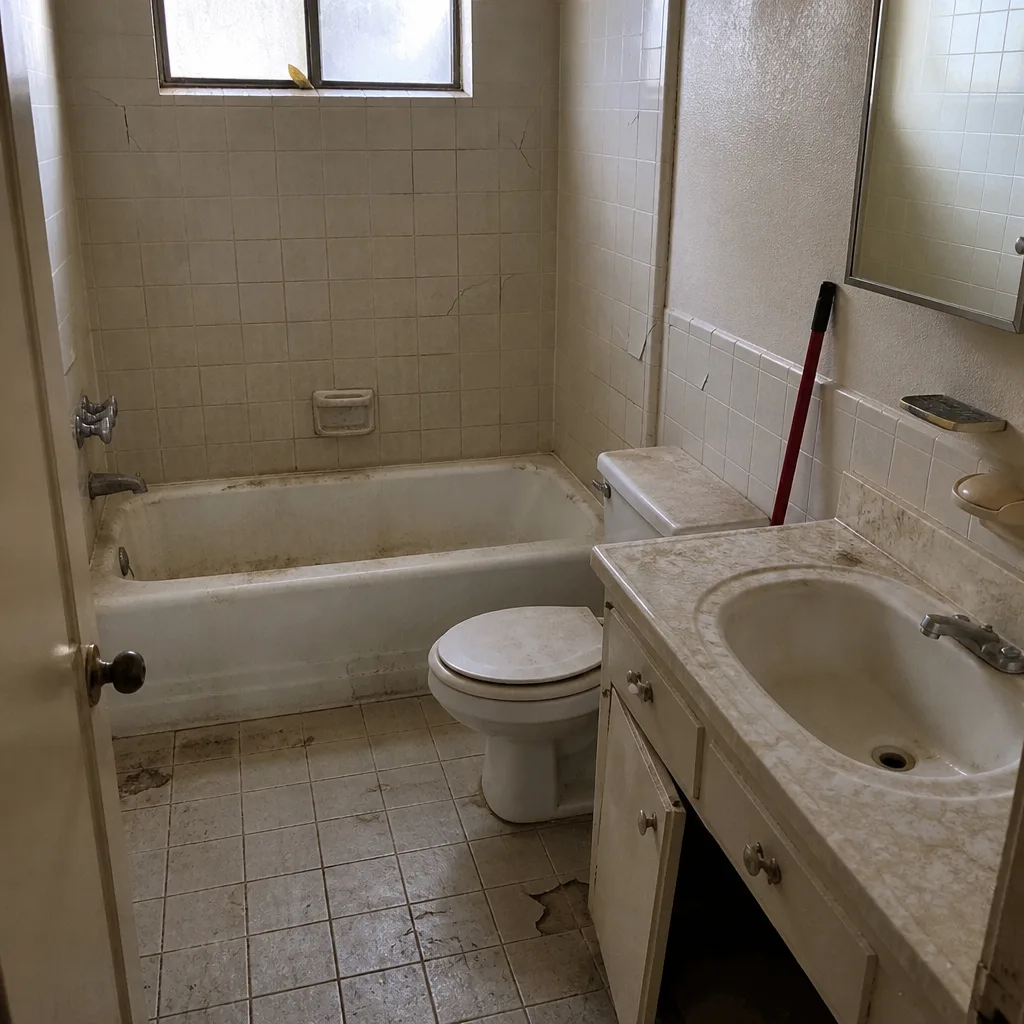
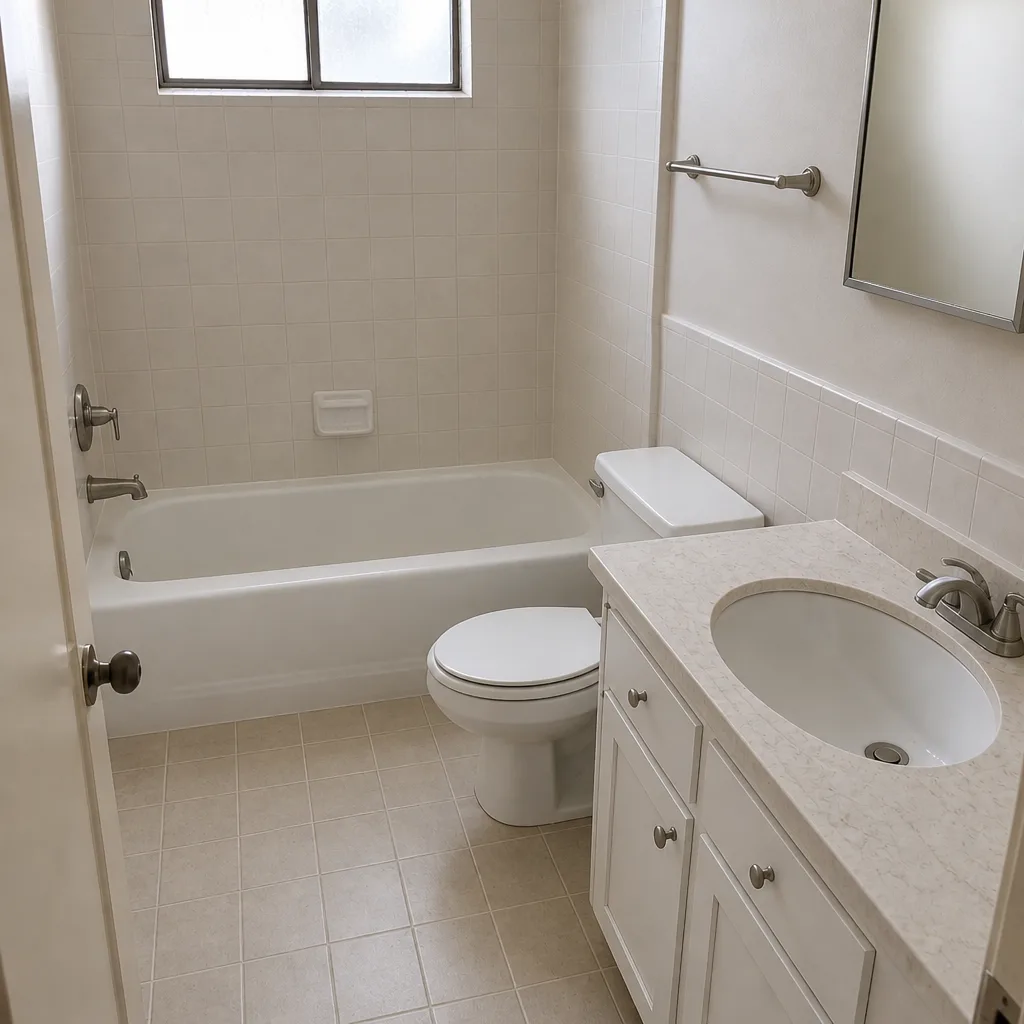
See the difference
 Before
 After
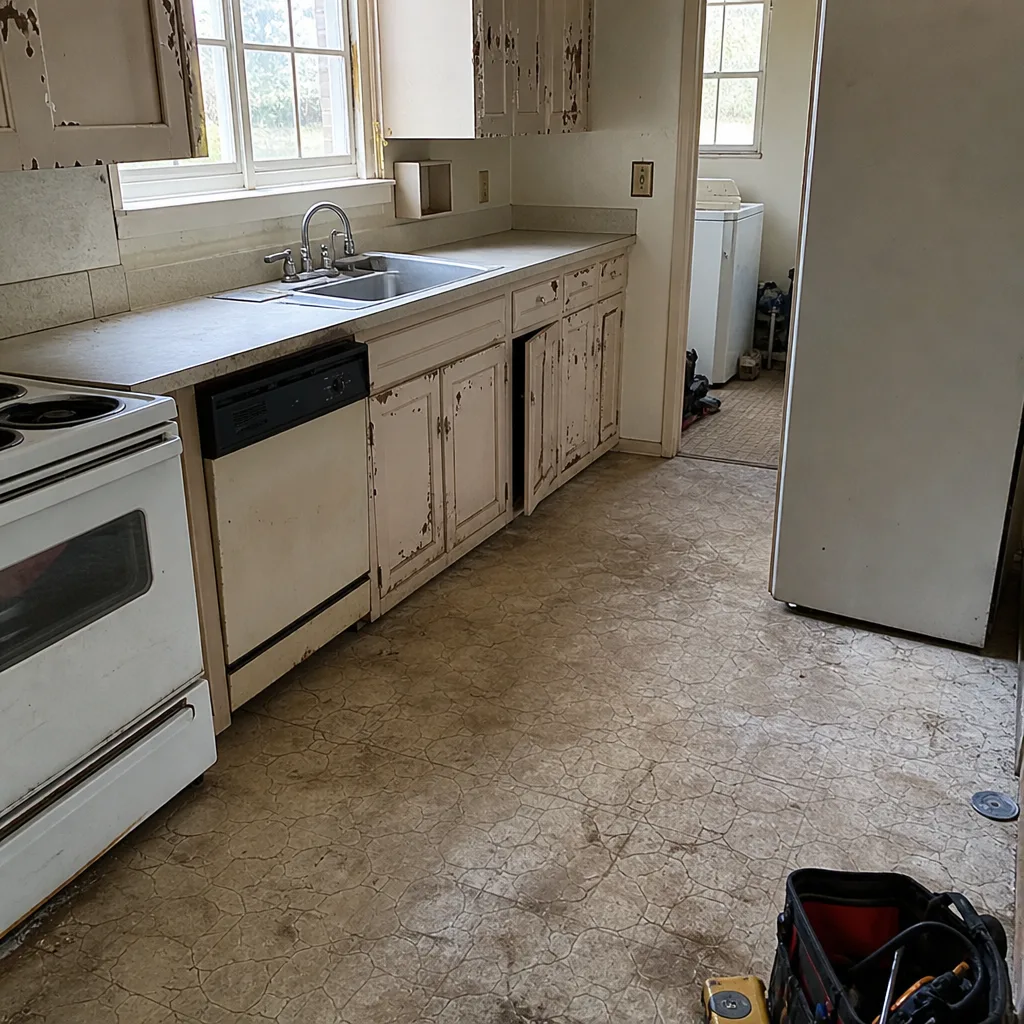 Before
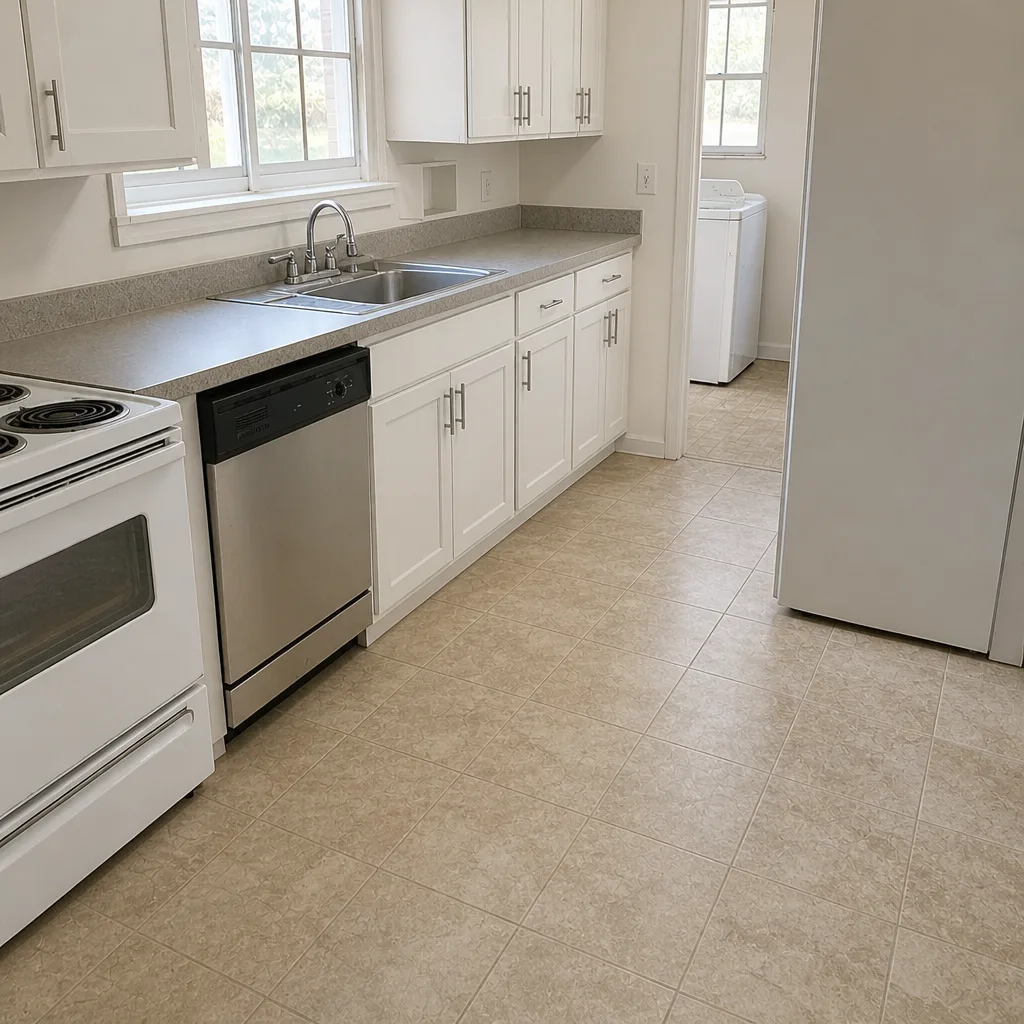 After
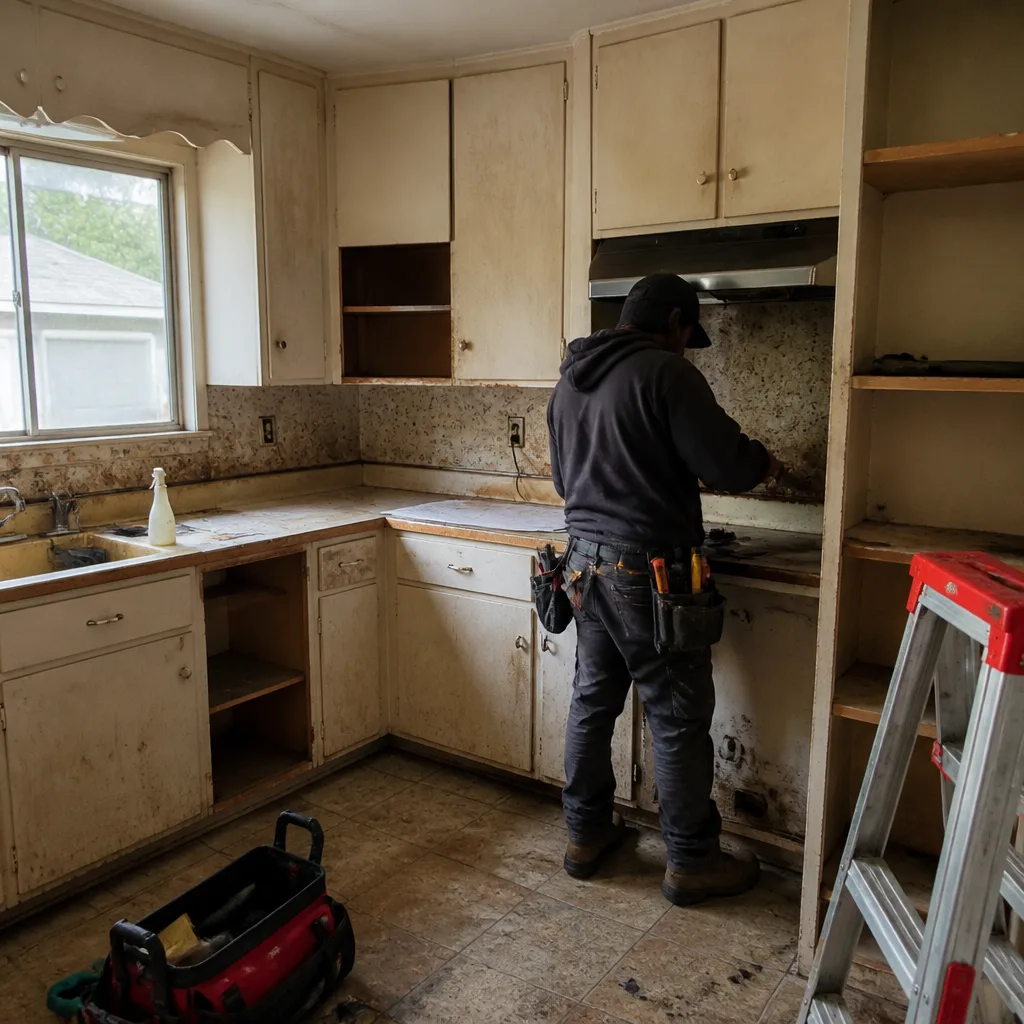 Before
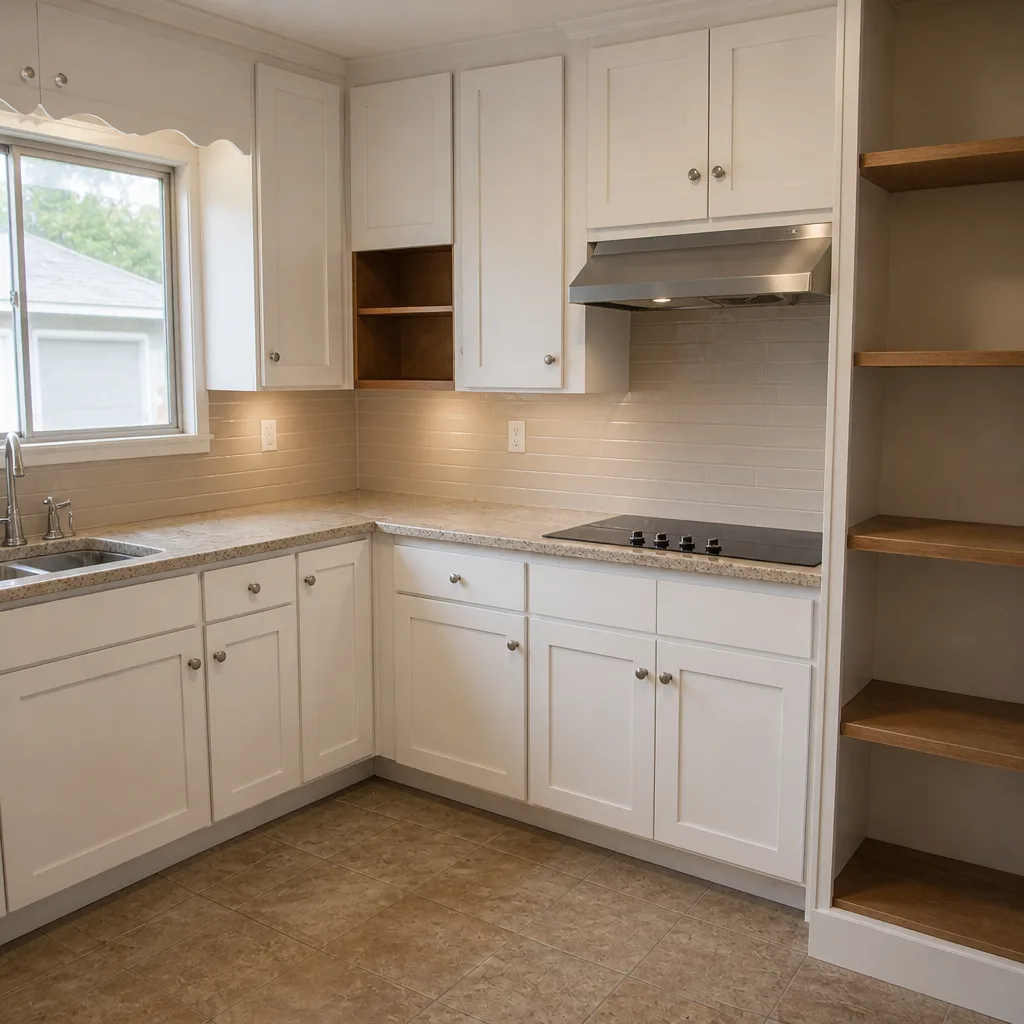 After
When to Call a Professional
Some paver problems are maintenance. Replacing a single cracked paver or re-filling a joint line is a reasonable do-it-yourself task. But call a professional when you see a sunken section that holds water, multiple rocking units, a line of pavers lifted by roots, water running toward the house or garage, or cracking across many units at once. Those are base and drainage failures, and they need diagnosis, not a cosmetic patch. Structural work over a failing base is also the kind of job where a wrong repair costs more than the original problem. Construction Pasadena offers free estimates in Pasadena – call (844) 905-4587. Our technicians have up to 12 years of experience, and the estimate is in writing, line by line, so you can see exactly what the fix involves. We answer 24/7, and fast dispatch from 7am to 7pm, Sunday through Friday.
Frequently Asked Questions
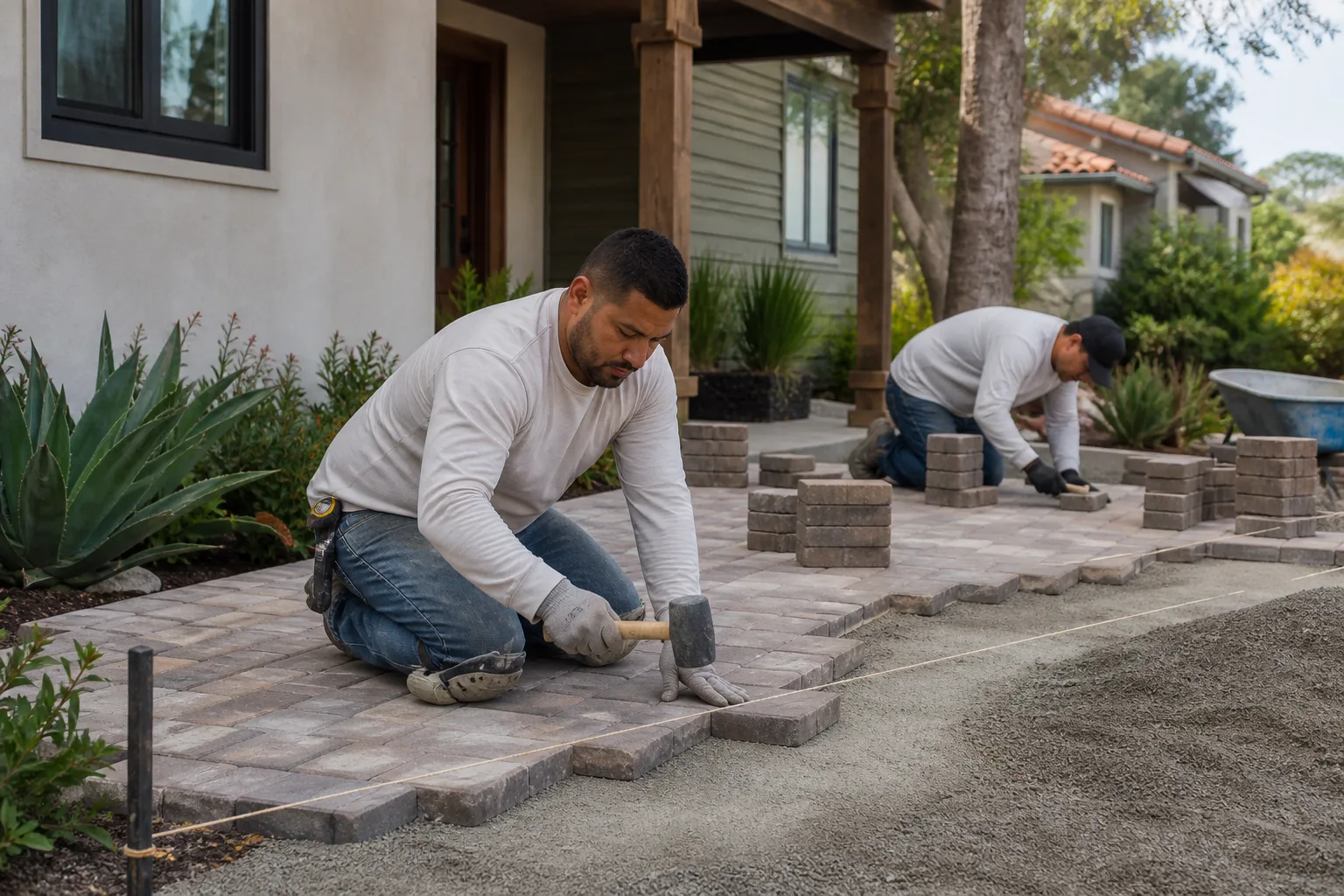
Your pavers are sinking because the base or bedding layer beneath them has lost density or has been undermined by water. It’s a base problem, not a paver problem, which is why resetting the pavers alone rarely lasts. In Pasadena, the combination of dry summers and concentrated winter rain, plus mature tree roots, puts extra stress on the base. Call (844) 905-4587 for an exact quote – estimates are free.
A targeted repair typically runs a few hundred dollars, while a full re-lift and base rebuild is a significant four-figure project priced by square footage. The range depends on whether the base needs rebuilding and how much of the field is affected. The written estimate sets the final price. Call (844) 905-4587 to schedule a free estimate so you know which repair you need before you commit.
Yes, when the failure is genuinely local and the surrounding field is stable. A partial repair lifts the affected pavers, rebuilds the base in that section, re-beds, and resets the units. It’s the right call when the base failure is confined to a few square feet. If the base has failed broadly or tree roots have invaded the bedding layer, a full re-lift is the only fix that lasts. The estimate should say which one you’re getting and why. Call (844) 905-4587 for a free assessment.
There are two approaches: install a root barrier to deflect future growth, or rebuild the base in the affected area with a barrier set further out. Smaller roots and a tree you want to keep usually call for a barrier. Larger roots or a tree that can’t be worked around call for the re-route. Coordinate with an arborist before any significant root cutting – it’s a tree-health question as much as a hardscape one. Call (844) 905-4587 to talk through the options.
No, a written estimate with line items should hold unless the scope changes because something unexpected is found once the field is open. The right way to handle that is a written change order before any additional work proceeds. An estimate that’s vague about scope is the one to worry about. Ask for the scope in writing and ask what would trigger a change. Call (844) 905-4587 for a free estimate.
Permit requirements vary with scope, and most cities require a permit for driveway and hardscape work that touches the public right-of-way or alters grading. We’ll confirm what your project needs with the local building department as part of the estimate process and pull the permits that are required. Call (844) 905-4587 to start with a free estimate.
The Bottom Line
Most driveway paver failures in Pasadena come down to one thing: the base. Sinking, rocking, cracked units, and joint sand washout are all symptoms that trace back to compaction, water, or roots, and the repair scope has to match the cause. A targeted repair is honest when the failure is local; a full re-lift is honest when the base has failed broadly. The expensive mistake is paying for the wrong one, and the way to avoid that is a diagnosis before an estimate, a scope in writing, and a warranty that covers the base and the installation, not just the paver unit. If you take one thing from this guide, take the diagnostic framework: walk the driveway, match the symptom to the mechanism, and have that conversation before anyone quotes you a number.
When you’re ready for a professional assessment, call (844) 905-4587. We answer 24/7. Fast dispatch from 7am to 7pm, Sunday through Friday. Estimates are free, written, and line-item. From the driveway to the roofline, one contractor across every trade means you’re not chasing down separate vendors for a driveway, a fence, and an ADU in the same season. For a broader view of the full scope we handle, start with Construction Pasadena.
Written by the team at Construction Pasadena.