Last updated November 17, 2026


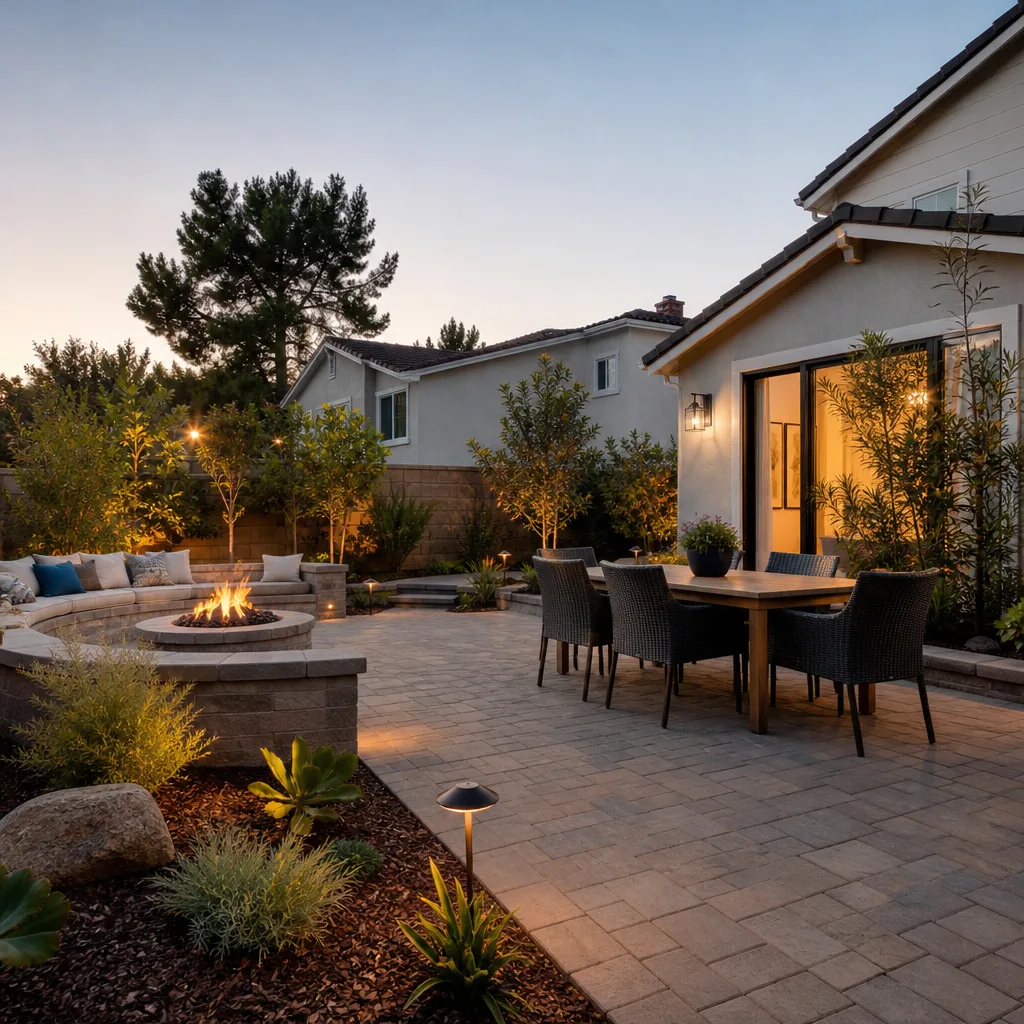

Free written scope consultation - allowances, timeline, and change-order rules on paper before a single trade is scheduled
Seasonal Construction Care for Pasadena: Year-Round Homeowner’s Guide
Pasadena averages only around 19 inches of rain per year, but almost all of it lands in a 90-day window. That single fact reshapes how you should care for a house here. Exterior surfaces spend months under hard UV and dry air, then get hit by sustained water with no gradual transition – and that whiplash is tougher on caulk, paint, roofing, and pavers than steady year-round rain would be. Homeowners who treat Pasadena as a mild climate usually skip the checks that actually matter. This guide walks you through what to inspect and when, season by season, and how to keep a maintenance log that pays off at resale, at insurance time, and on brand-name product warranties.
Quick Answer
Seasonal maintenance in Pasadena works on four cycles: fall prep for fire season and wind events, winter checks on roofing and flashing after the first real rain, spring inspection of drainage and paver joints before the dry season locks in damage, and summer attention to UV wear on decking, caulk, and painted concrete. Do these checks on schedule and most repair bills stay small. Skip them for a couple of years and a wet-dry cycle that looks gentle on paper turns into expensive structural work.
Styles & brands we work with
- Kitchen remodeling
- Bathroom remodeling
- Home additions & ADU
- Roofing
- Windows & doors
- Driveway & pavers
- Fence
Table of Contents
- Fall (September-November): Preparing for Fire Season and Wind
- Winter (December-February): Reading Your Roof After the Rain
- Spring (March-May): Drainage, Retaining Walls, and Paver Joints
- Summer (June-August): UV Damage on Decking, Caulk, and Concrete
- Building a Maintenance Log That Works for You
- What Brand-Name Materials Mean for Maintenance
- Common Mistakes to Avoid
- When to Call a Professional
Fall (September-November): Preparing for Fire Season and Wind
Fall in Pasadena is not a wind-down. It’s the most consequential stretch of the maintenance year. The dry months leave vegetation cured and roofs loaded with debris, and the wind events that move through the San Gabriel Valley foothills can carry embers into neighborhoods that sit close to wildland edges. Homes in the hillside areas above the Rose Bowl, around Altadena’s borders, and along the upper reaches of Linda Vista sit in that zone. Even homes on the flat floor of Pasadena should treat fall as prep season, because wind-blown debris doesn’t stay in the foothills.
Here’s what we recommend checking before the first wind event:
- Clear the roof surface completely. Leaves, seed pods, and palm fronds collect in valleys and behind chimneys. A clean roof deck has nothing to catch an ember.
- Inspect vents and soffits. Ember-resistant vent screens are a legitimate upgrade, and any gap around attic vents, dryer vents, or eave soffits should be closed with fine mesh.
- Pull vegetation back from the structure. Branches overhanging the roof and shrubs touching siding or fences create a ladder for fire. Keep the first several feet around the house clear of dry plant material.
- Sweep hardscape and gutters. Clearing patios, walkways, and gutters of leaf litter reduces what’s available to burn and keeps drains open for winter rain.
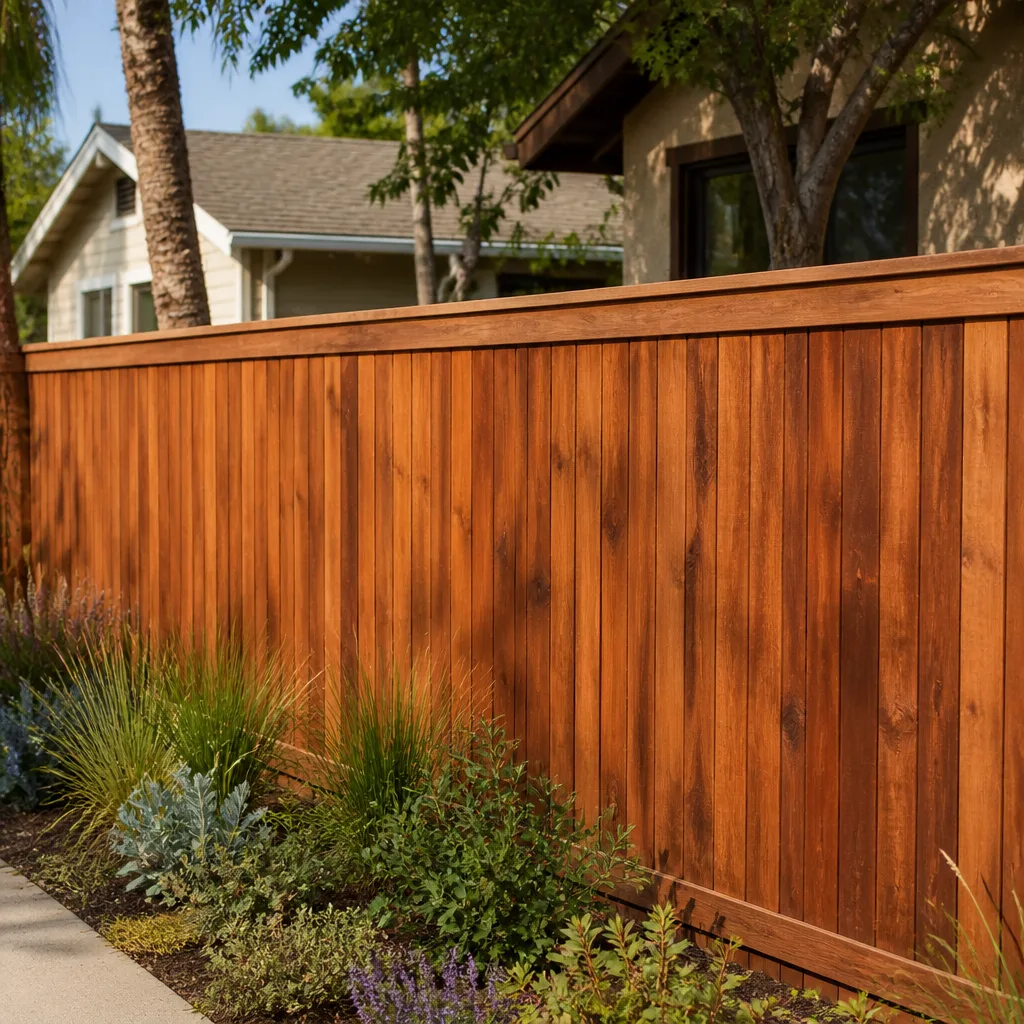
- Check fence posts and panels. Wind finds the weak panel first. If a section of your wood, vinyl, or ornamental fence is already loose, fall is the time to address it, before a wind event makes the decision for you. Our fence installation team can assess whether a section needs repair or replacement.
One more item worth building into the fall routine: photograph the roof, gutters, and fence line from a few angles, then file the images in your maintenance log. You’ll want them for warranty or insurance purposes later.
For a deeper look at how fall prep connects to the rest of your exterior scope, the team at Construction Pasadena can walk you through it during a free estimate.
Winter (December-February): Reading Your Roof After the Rain
Pasadena’s wet season arrives fast. After months of dry weather, a single storm can drop a meaningful share of the annual total in a day or two. That’s why the first significant rain of the season is your best diagnostic tool. Roofing systems from manufacturers like GAF and CertainTeed are engineered for this, but installation quality and age determine how the roof actually behaves. A properly installed GAF or CertainTeed system should shed water cleanly. If you’re seeing anything else, you need to know now, not in April.
After the first substantial rain, walk the house and look at these areas:
- Chimney flashing. Water staining or drip marks on the brick below the flashing line usually point to failed step flashing or a lifted counterflashing. Look from inside the attic too.
- Skylight curbs. Skylights leak at the curb, not the glass. Check for water tracks on the framing below the skylight after each storm.
- Ceiling stains. A new stain after rain is a direct signal that water is getting under the roof covering. Circle it in pencil and date it so you can tell if it grows.
- Gutter behavior. Gutters that overflow in multiple spots are likely undersized, sagging, or clogged. Water running down the wall face means you have a drainage problem to address before spring.
- Attic ventilation. Winter is when condensation shows up. The roof deck should look dry. Repeated moisture in the attic points to inadequate ventilation, not a roof leak.
Between storms, note anything that needs attention and get it scheduled before the next rain. Small flashing repairs are straightforward; a wet attic or a saturated sheathing panel is a much bigger job. Roof work involves height and, in older homes, aging materials, so this is a check-and-schedule task rather than a do-it-yourself project.
If winter inspection turns up roofing issues beyond surface maintenance, ask whether repair is realistic or whether the system is approaching replacement. A written estimate for both scenarios is the fair way to decide.
Spring (March-May): Drainage, Retaining Walls, and Paver Joints
Spring is when the winter’s water damage becomes visible. It’s also the last window before the dry season locks in whatever the rain started. By May, most Pasadena homeowners have shifted their attention to summer and let drainage issues slide. That’s backwards. The moisture from a wet season is still working on retaining walls, drainage channels, and paver joints in April, and once the ground dries hard, repairs that would’ve been simple become more disruptive.
Work through this list in order:
- Walk the drainage path. Follow water from the downspouts, across hardscape, and down grade. Any low spot that held water for more than a day after the last storm needs attention.
- Look for soil movement around retaining walls. Cracks in the wall face, bulging, or a gap between the soil and the wall all deserve inspection. Retaining walls handle a lot of load, and water is what breaks them.
- Inspect paver joints. Polymer sand or joint sand that has washed out leaves pavers loose and shifting. On a Belgard or Unilock system, a joint repair in spring is routine maintenance; a rebuilt base in summer is not.
- Check the base edges. Paver fields move at the edge first. Edge restraint that has loosened lets the whole field creep over time. A Belgard or Tremron installation should hold its edge for years, but only if the restraint stays put.
- Look at the patio and walkway meeting points. Where pavers meet the house or a step, gaps open with seasonal movement. That’s a caulk or joint issue, not a replacement trigger.
If your paver work needs evaluation, the driveway & pavers team can inspect the field, the joints, and the base edge in one visit. If you’re planning a spring paver project rather than a repair, brands like Belgard, Unilock, Tremron, and Techo-Bloc give you real design variety across clay, concrete, and porcelain-look profiles – worth seeing before you commit.
Paver repairs are among the most costlier-to-postpone items in this guide. A spring joint repair is a small job; a summer base rebuild is not.
Summer (June-August): UV Damage on Decking, Caulk, and Concrete
Summer in Pasadena delivers roughly four months of intense sun with almost no rain. That combination slowly degrades the surfaces that matter most. Most homeowners notice the change in August and assume something failed. Usually, nothing failed – it’s just UV doing what UV does to caulk, sealant, paint, and composite decking over a season. The difference between a touch-up and a replacement is knowing what to look for.
Composite decking (Trex, TimberTech)
Modern composite decking handles UV better than older generations, but it still fades and chalks, and surface dirt becomes baked in over the summer. A good summer routine on Trex or TimberTech is a soft-bristle wash with a manufacturer-approved cleaner, followed by a visual check for loose fasteners, dull spots, or surface scratches. What you’re looking for as a replacement trigger is a change in the board’s structural feel – sponginess underfoot, a visible sag between joists, or a surface that has cracked rather than faded. Fading is cosmetic. Structural fatigue is not.
Exterior caulk joints
Caulk around windows, doors, and trim is your first line against water intrusion in winter. It also degrades fastest in summer. A proper summer check means running a finger along each joint and looking for hardened, cracked, or separated caulk, then planning a re-caulk before the wet season. If a joint takes two or three years to fail, that’s typical wear, not a window problem. If the caulk is failing in under a year, the joint itself may be moving – a different issue.
Painted concrete and stucco
Painted concrete and stucco will chalk and fade in Pasadena’s sun. The maintenance touch-up is a spot sealer or a light re-paint around high-exposure surfaces. The replacement trigger is lateral cracking or a surface that pools water in low spots. If you’re seeing small cracks that haven’t moved, a sealer will handle it. If the crack is wider than a hairline and getting wider, the surface is telling you something structural.
Summer is also the right season to plan larger projects. If you’re considering an home additions & ADU project, summer planning puts your build on a better timeline and lets you avoid starting in the middle of the wet season.
Building a Maintenance Log That Works for You
A maintenance log is the cheapest insurance policy on your house. It also solves a problem most Pasadena homeowners don’t anticipate until they need it: when a warranty claim, an insurance review, or a resale disclosure comes up, “we had work done a few years ago” doesn’t carry the same weight as a dated record with photos, product names, and receipts.
Here’s how to keep one that actually gets used:
- Keep it simple and shared. A shared cloud folder with a single spreadsheet and a photos subfolder is enough. Paper works too, as long as everyone in the household knows where it is.
- Log every inspection and repair with a date. One line per item: date, what was checked or replaced, who did the work, and the product name if it’s a specific brand (GAF, CertainTeed, KraftMaid, Belgard, Trex, and so on).
- File the paperwork. Warranty cards, invoices, and written estimates belong in the log. Photograph the paperwork and upload it. If you can’t find the paperwork later, the photos save you.
- Photograph before and after. Shots of the roof, hardscape, and decking at each season check create a visual timeline. That timeline is what makes a warranty claim credible and a resale conversation simple.
- Note the product source. If your roof is a GAF system, note it. If your cabinets are KraftMaid, note it. If your pavers are Belgard, note it. When a warranty is tied to a specific product, the brand is the receipt.
- Review the log once a year. A short annual read tells you what’s aging and what needs attention next.
Keep it up for a few years and you’ll have a document that answers most of the questions a buyer, an insurer, or a contractor will ever ask about your home.
What Brand-Name Materials Mean for Maintenance
One thing we consistently see in Pasadena: homeowners get more out of maintenance when they know exactly what’s installed. Product-level knowledge changes how you check, what you clean with, and what a warranty covers. This is why we favor a named-brand approach across every trade rather than generic “quality materials” language – you can look up a product, read the spec sheet, and know what behavior to expect.
Some examples from our own material bench:
- Roofing. GAF, CertainTeed, Owens Corning, IKO, Atlas, Tamko, and Boral each publish maintenance guidance specific to their systems. Knowing which one covers your roof tells you whether a surface product like a sealant is approved, and how flashing repairs should be handled.
- Pavers and hardscape. Belgard, Unilock, Tremron, Techo-Bloc, Cambridge Pavers, and Oldcastle systems all have specific joint-sand and cleaning recommendations. Following the manufacturer’s guide protects the warranty on the field.
- Fences. Master Halco, Barrette, Ameristar, Jerith, Bufftech, and ActiveYards systems are available across budget and premium tiers. Each has its own care requirements – vinyl versus aluminum versus ornamental steel.
- Windows and doors. PGT, CGI, ECO Window Systems, ES Windows, Therma-Tru, and ViewLux installations have specific gasket and seal maintenance needs, and those needs change in Pasadena’s dry summer.
- Kitchens and bathrooms. KraftMaid and Wellborn cabinetry, Cambria, Caesarstone, and Silestone countertops, and Kohler, Grohe, Toto, and Schluter waterproofing all carry their own care guidance. Following it is the simplest warranty protection available.
- ADU construction. Prefab partners like Abodu, Dvele, Mighty Buildings, Boxabl, and Plant Prefab each publish their own maintenance cycles for the prefab shell.
What this means practically: your maintenance log should name the product, not just the trade. “Roof repaired” is a memory. “CertainTeed Landmark – flashing at chimney, 2025” is documentation.
Common Mistakes to Avoid
- Treating Pasadena as a mild climate. The rainfall total is low. The behavior of the weather is not. A single wet season can do as much damage as a much rainier climate if the transition from dry to wet catches you unprepared.
- Skipping the first-rain inspection. The first significant storm is the most useful diagnostic event of the year. Miss it and you spend the rest of winter guessing about a stain on the ceiling.
- Ignoring the ember zone. Homes near wildland edges in the foothills need vent screens and hardscape clearing, not just a clean roof. Wind events and hot, dry air combine to make small prep gaps matter.
- Waiting until summer to check paver joints. Once the dry season sets in, repairs to paver fields are harder and more disruptive. Spring joint repair is routine; summer base rebuilding is not.
- Replacing composite decking over cosmetic fading. Trex and TimberTech both fade over years in the sun. Fading is normal. Replacing for fading alone usually wastes money.
- Not naming the product in your maintenance log. “Replaced the countertop” doesn’t protect a Cambria or Silestone warranty. Brand and model do.
- Treating drainage as a fall task. Drainage inspection belongs in spring, before the dry season. Fall cleanup is right, but the real inspection window is after the last substantial rain.
When to Call a Professional
Some seasonal checks are straightforward and belong on your own calendar. Others need a trained eye and a fixed-scope estimate. Call us when:
- You see new ceiling stains, chimney flashing drips, or skylight curbs leaking after rain.
- A retaining wall shows cracks, bulging, or soil gaps.
- Paver joints have washed out beyond a small touch-up, or a field has shifted at the edge.
- Composite decking feels spongy underfoot, or a painted surface has structural cracking.
- Your maintenance log is missing and you need a full-property assessment across trades.
Construction Pasadena works across seven service lines – driveway and pavers, fences, home additions and ADU, bathrooms, windows and doors, roofing, and kitchens – so a seasonal review of an entire property stays with one accountability point rather than three or four separate trade vendors. Our technicians have up to 12 years of experience. Estimates are free and the written scope sets the price. Construction Pasadena offers free estimates in Pasadena – call (844) 905-4587.
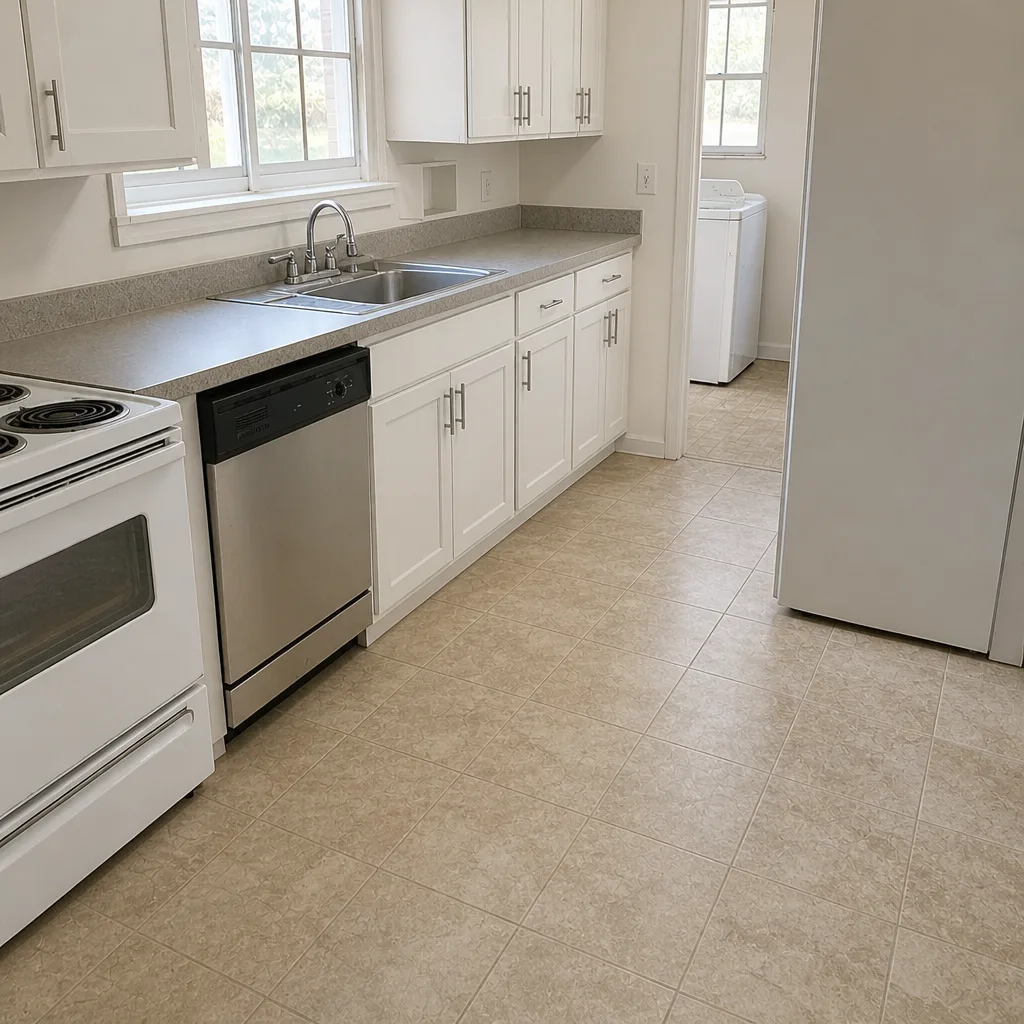
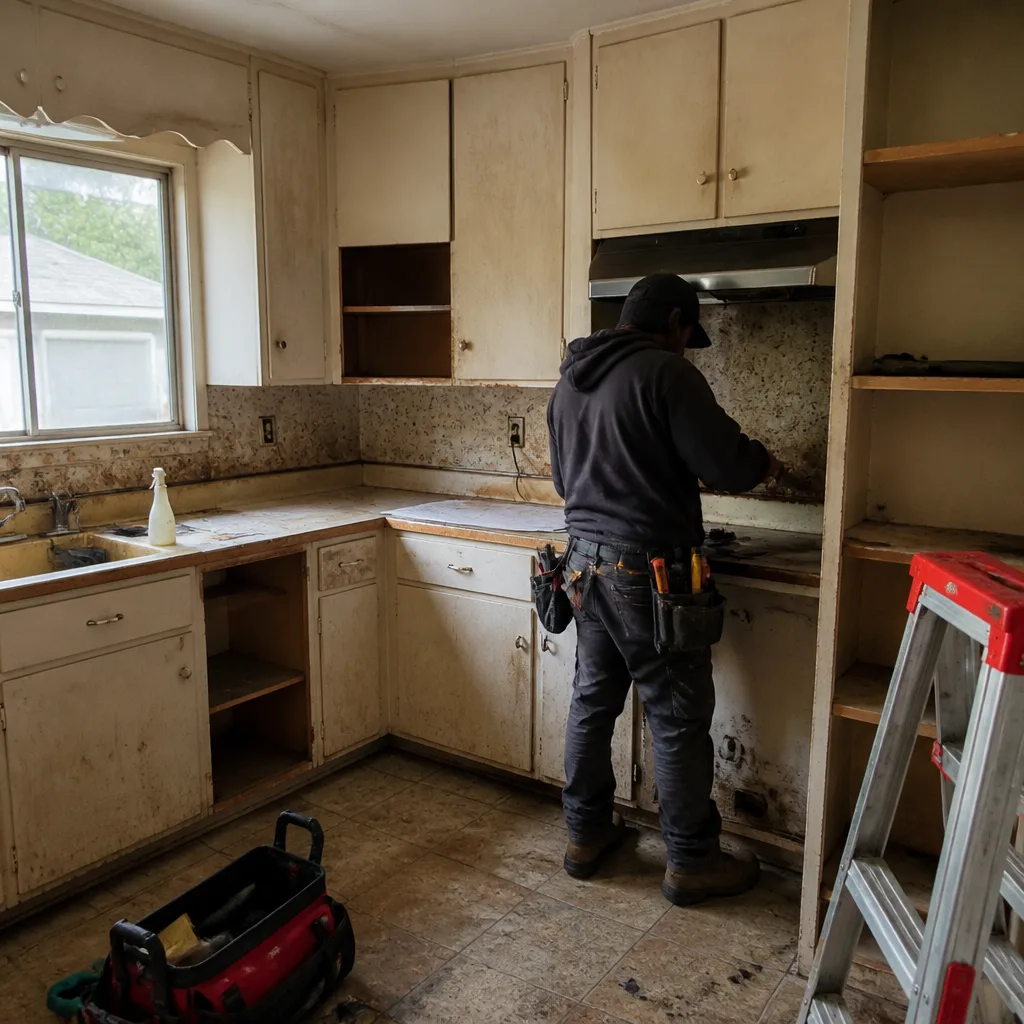
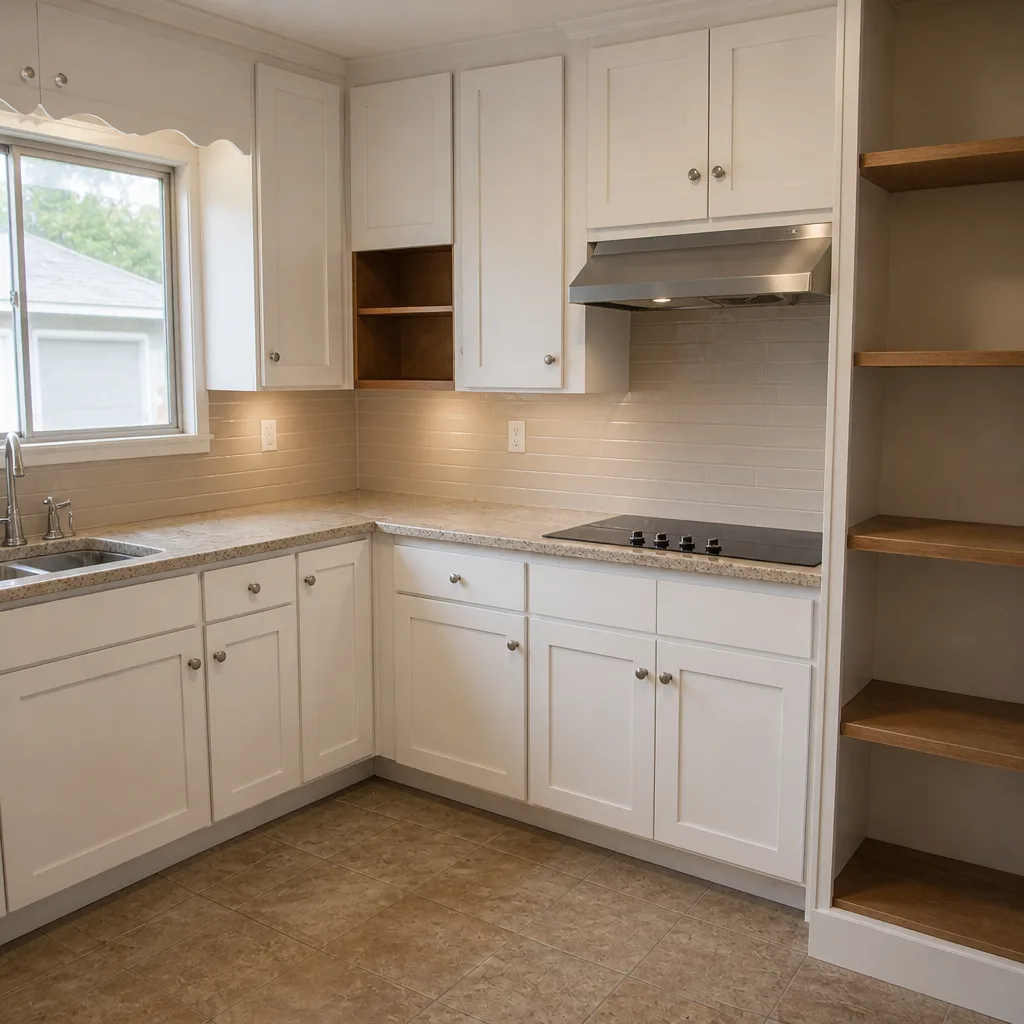
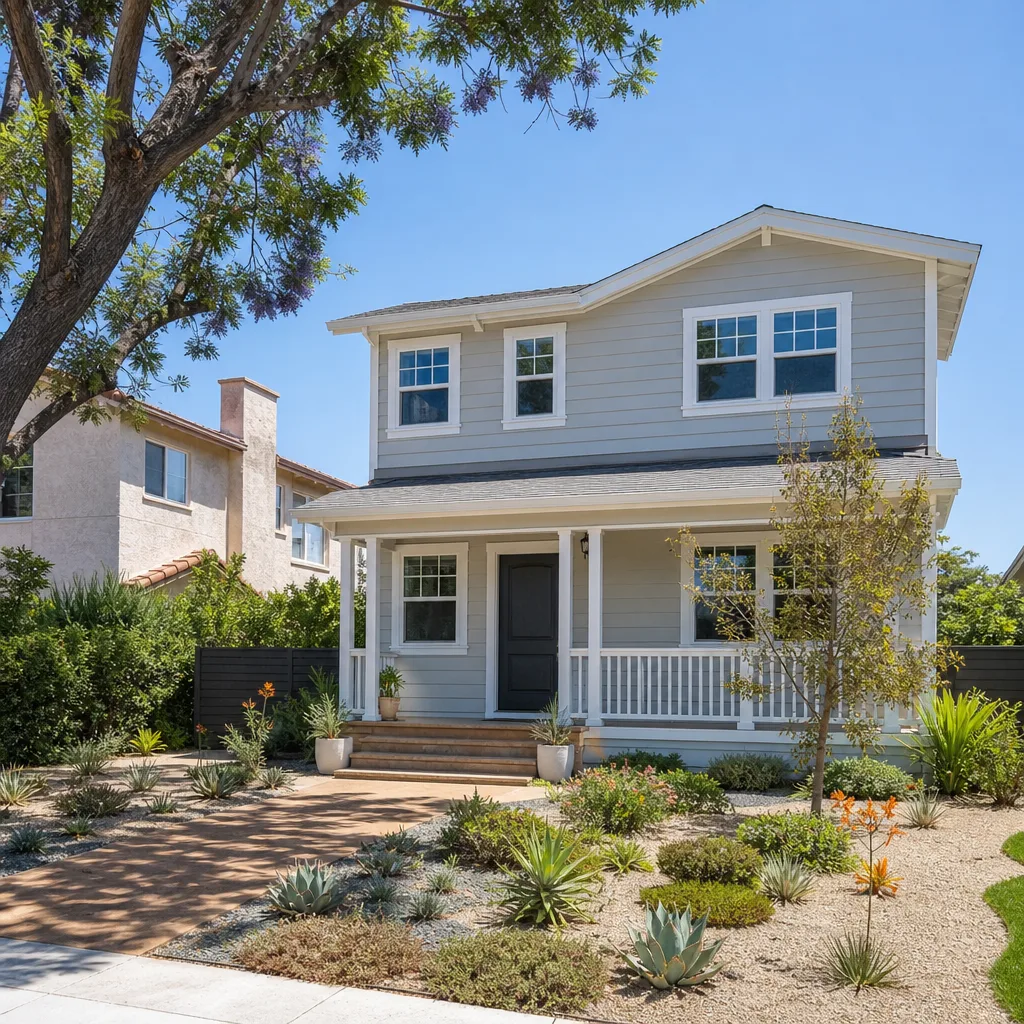
See the difference
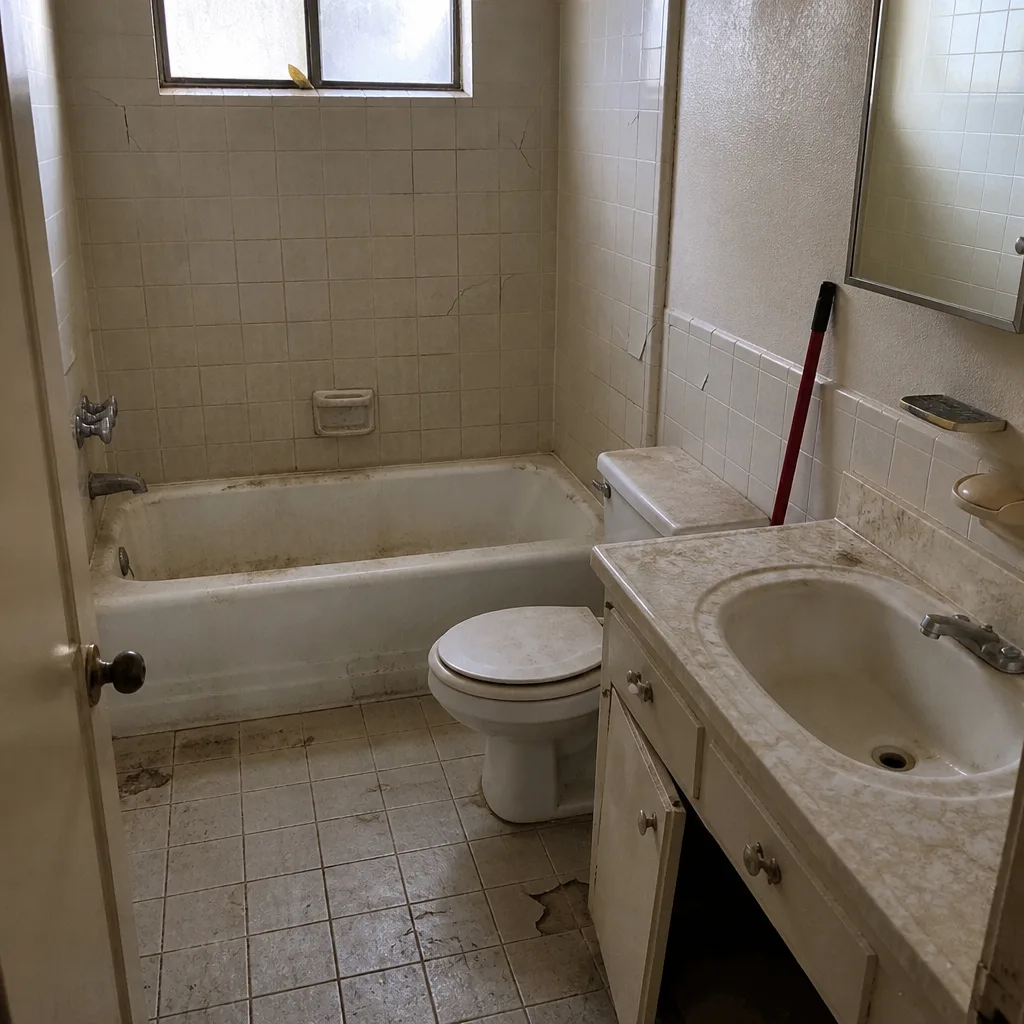 Before
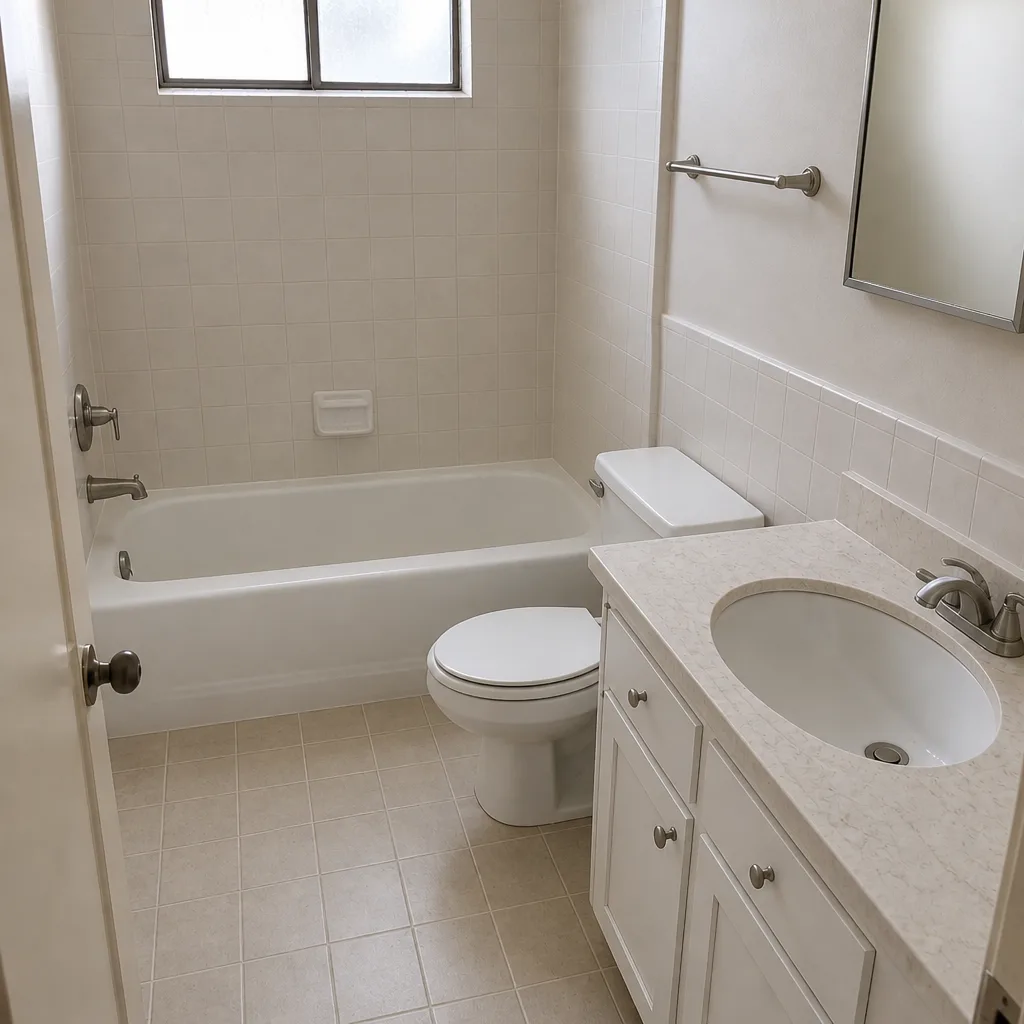 After
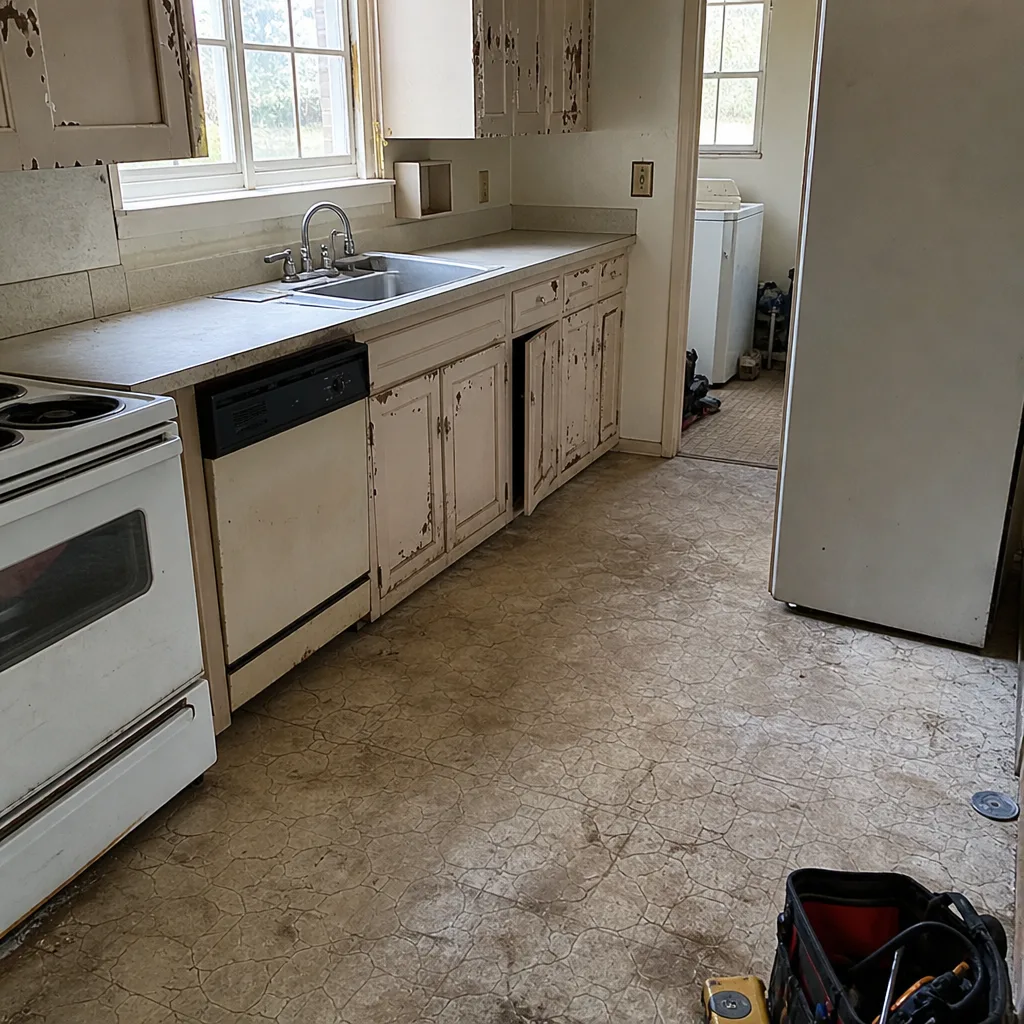 Before
 After
 Before
 After
Frequently Asked Questions
Four times a year, tied to the four seasonal cycles: fall for fire and wind prep, winter for the first-rain roof inspection, spring for drainage and paver joints, and summer for UV wear on decking, caulk, and painted surfaces. Each check is short. Together they catch most problems while they’re still small. Call (844) 905-4587 for an exact scope on any item – estimates are free.
Because Pasadena’s rain arrives almost entirely within a 90-day window after months of dry weather. The first storm is when flashing, skylight curbs, and gutters show you exactly what held and what didn’t. If you miss the first storm, you spend the rest of the wet season guessing. Every winter, we recommend a walk of the roofline and the interior attic after the first significant rain. Call (844) 905-4587 to schedule a post-rain inspection – the estimate is free.
Chimney step flashing, skylight curbs, ceiling stains inside the house, and gutter behavior. Manufacturer specification and installation quality are what determine how a GAF or CertainTeed system performs. After the first significant rain, look for water tracks below flashing and any new ceiling stain. Note the location and call before the next storm. Call (844) 905-4587 to schedule a professional inspection – estimates are free.
Yes, because the dry season locks in whatever the wet season started. Joint sand and edge restraint handle the winter rain, but if they’ve washed out, spring is the last easy window for a joint repair on a Belgard, Unilock, or Tremron system. Once the ground dries hard, a repair that was simple becomes a base rebuild. Call (844) 905-4587 for a spring paver inspection – estimates are free.
Touch-up if the surface has faded or chalked but feels solid underfoot. Replacement consideration if the board feels spongy, cracks at the surface, or sags between joists. Trex and TimberTech both handle UV well, but they do fade over years, and fading alone is cosmetic. Call (844) 905-4587 for an in-person assessment before you replace boards that could just be cleaned and sealed.
Yes, and it’s the single most useful documentation habit for a Pasadena homeowner. A dated log with photos, product names, and receipts is what makes a warranty claim credible, an insurance review straightforward, and a resale disclosure honest. Start with a shared folder and a single spreadsheet. Call (844) 905-4587 to get a full-property assessment that gives the log its first real entry – estimates are free.
The Bottom Line
Pasadena’s climate rewards a specific maintenance rhythm. Fall prep gets you ready for fire season and wind. Winter inspection catches the roof and flashing behavior the rain reveals. Spring is the last window for drainage and paver joint repairs before the dry season locks everything in. Summer is when you handle UV wear on decking, caulk, and painted surfaces. Add a simple maintenance log that names the product, and you turn routine checks into a record that protects your investment when a warranty, insurer, or buyer asks. Skip the rhythm for a few years, and a mild-looking climate becomes expensive. Keep it, and the same climate is a genuine advantage.
Ready to put a seasonal plan in place? For a full-property assessment across driveway and pavers, fence, home additions and ADU, bathroom, windows and doors, roofing, or kitchen, call (844) 905-4587 for a free estimate. We answer 24/7. Fast dispatch from 7am to 7pm, Sunday through Friday.
Written by the team at Construction Pasadena.