Last updated November 17, 2026
Free written scope consultation - allowances, timeline, and change-order rules on paper before a single trade is scheduled
Construction Cost Breakdown: The Pasadena Homeowner’s Reference for 2026
Most construction cost guides are written to be safe, not useful. They tell you an ADU runs $200 to $800 per square foot and a kitchen runs $20,000 to $120,000, then leave you exactly where you started, holding a range so wide it fits every house in America. The number that decides whether your project pencils out is the one a Pasadena contractor signs on a line-item bid, and that number depends on local labor, permit costs, and the specific products going into the house. This reference breaks down what projects actually cost here in 2026, tier by tier and brand by brand, so you have a defensible figure to plan against. Pasadena rewards homeowners who price it specifically.
Styles & brands we work with
- Kitchen remodeling
- Bathroom remodeling
- Home additions & ADU
- Roofing
- Windows & doors
- Driveway & pavers
- Fence
Quick Answer
Construction costs in Pasadena, CA in 2026 run 15 – 25% above national averages and 8 – 12% above Los Angeles medians, driven mainly by permit fee structures, prevailing wage pressures on certain project categories, and the staging logistics of a dense residential grid. A typical driveway replacement lands in the low-to-mid five figures depending on paver tier, a kitchen remodel runs from the mid-$30,000s into six figures on the premium end, a bathroom from the high teens to the $60,000s, roofing in the high teens to $40,000+, fencing per linear foot by material, and a detached ADU generally six figures and up. The written, line-item estimate from a licensed contractor is the only number that sets your final price.
Table of Contents
- Why Construction Costs More in Pasadena
- 2026 Project Cost Breakdown by Scope
- How Pasadena Permit Fees Add to Your Total
- Single Contractor vs. Multi-Vendor Delivery
- 2026 Material Cost Drivers
- How to Read a Contractor Bid
- Common Mistakes to Avoid
- When to Call a Professional
- Frequently Asked Questions
- The Bottom Line
Why Construction Costs More in Pasadena
Pasadena isn’t an expensive place to build because of any single factor. It’s the compounding. Three cost layers sit on top of each other here, and understanding them helps you read a bid without assuming you’re being overcharged.
Permit fee structure
The city of Pasadena prices permits on a valuation-based schedule, which means the fee is calculated as a percentage of the declared project value, not a flat rate per square foot. Declare a higher-value project and you pay a proportionally higher fee. That’s standard, but the schedule itself is steeper than many surrounding jurisdictions, so a $100,000 kitchen remodel carries a permit fee that would surprise a homeowner used to a county with a simpler structure. Plan for it as a real line item, not an administrative afterthought.
Prevailing wage pressures
Certain project categories carry labor premiums tied to wage requirements and to the sheer demand for skilled trades in the region. Additions and ADUs pull licensed tradespeople who command higher rates than general labor, and that cost flows directly into your bid. When a Pasadena GC quotes higher labor than a contractor working a less dense market, this is one reason why.
Dense-grid logistics
Many Pasadena neighborhoods have narrow lots, tight driveways, mature street trees, and limited off-street parking. Getting a dumpster placed, materials delivered, and staging set up on a tree-lined residential block adds real time and cost that a suburban lot with a wide driveway doesn’t incur. This is the cost least visible in a bid and the most real on the ground. It’s also the reason Construction Pasadena scopes logistics into every estimate rather than discovering them mid-job.
Layer in the city’s architectural heritage review for work visible from the street, and the permitting path for exterior changes gets longer. None of this is a reason to avoid the project. It’s a reason to price it accurately from the start.
2026 Project Cost Breakdown by Scope
Below are typical ranges broken into entry, mid, and premium tiers tied to specific materials. These are estimates, and the written estimate sets your final price. Wherever the range is wide, the difference is almost always materials and site conditions, not labor hours.
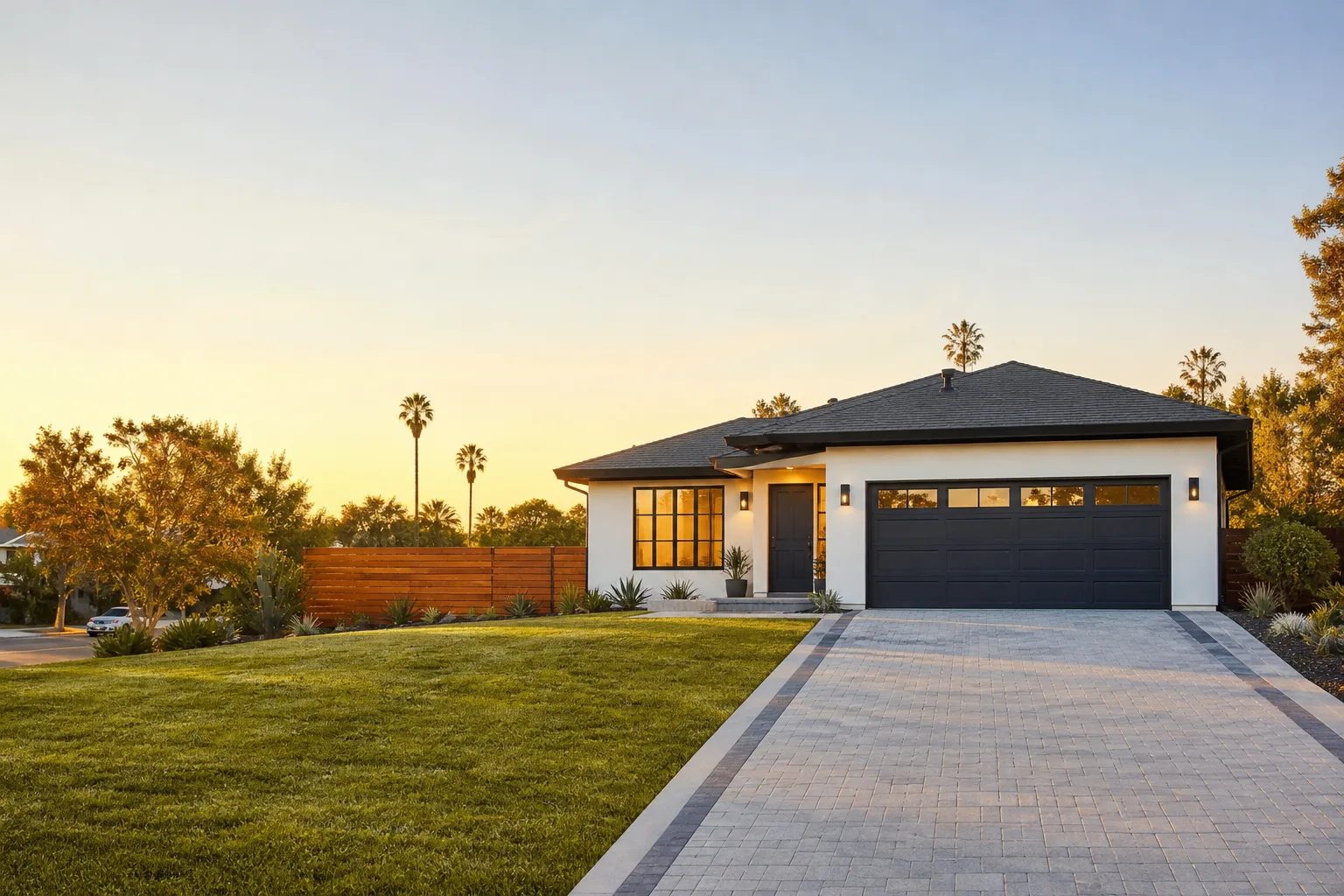
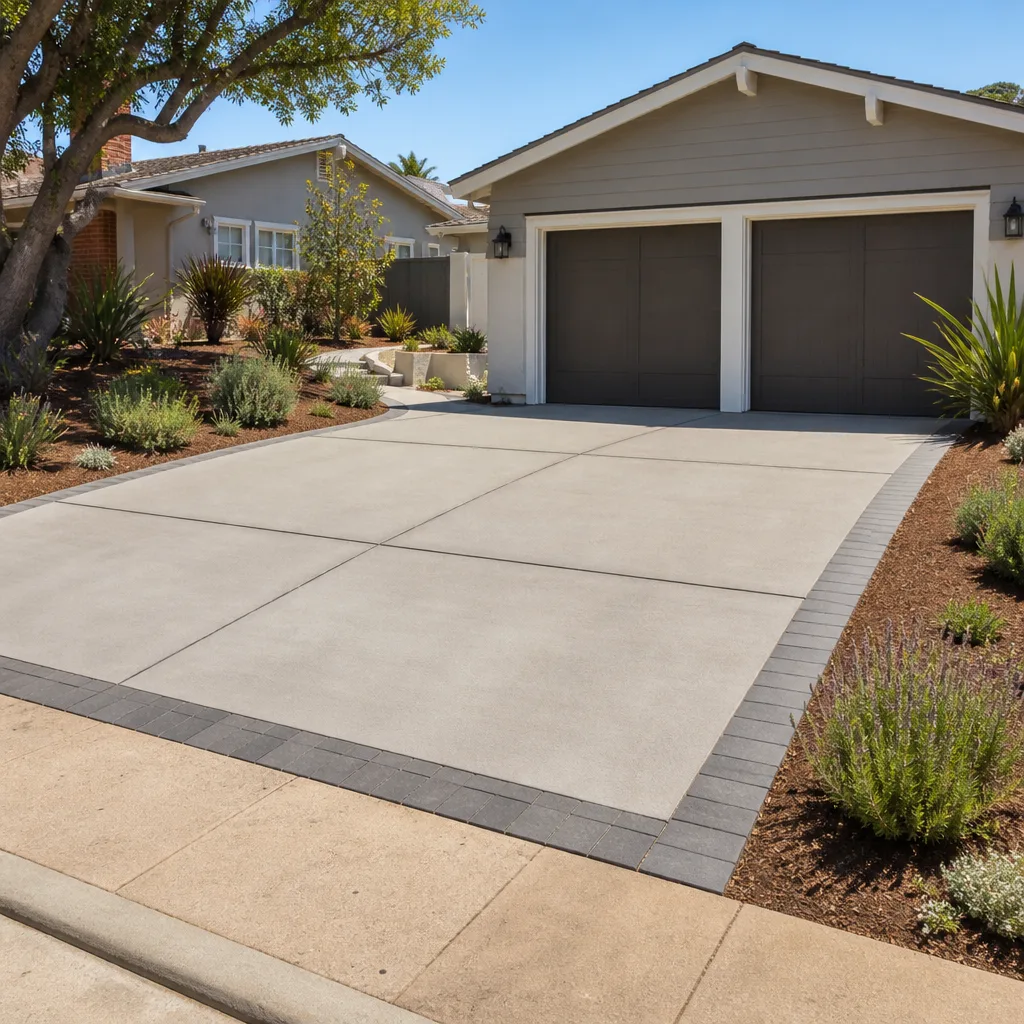
Driveway replacement and paver systems
A full driveway replacement in Pasadena lands roughly in this band, depending on site access, demo, base prep, and paver tier:
- Entry tier: standard concrete or base-grade pavers from manufacturers like Oldcastle, roughly the low end of the range for a standard-width residential driveway.
- Mid tier: decorative paver systems from Belgard, Tremron, or Cambridge Pavers with a proper compacted base and edge restraint.
- Premium tier: large-format systems from Unilock or Techo-Bloc, complex patterns, or driveway widening requiring additional base work.
Pavers cost more per square foot than poured concrete, and they behave better in this climate. Pasadena’s mild winters mean no freeze-thaw heaving to worry about, but our long dry stretches followed by rain cycles can open up poorly prepped bases. Base prep is where a cheap driveway becomes an expensive one. Our driveway & pavers work is built around getting that base right before a single paver goes down.
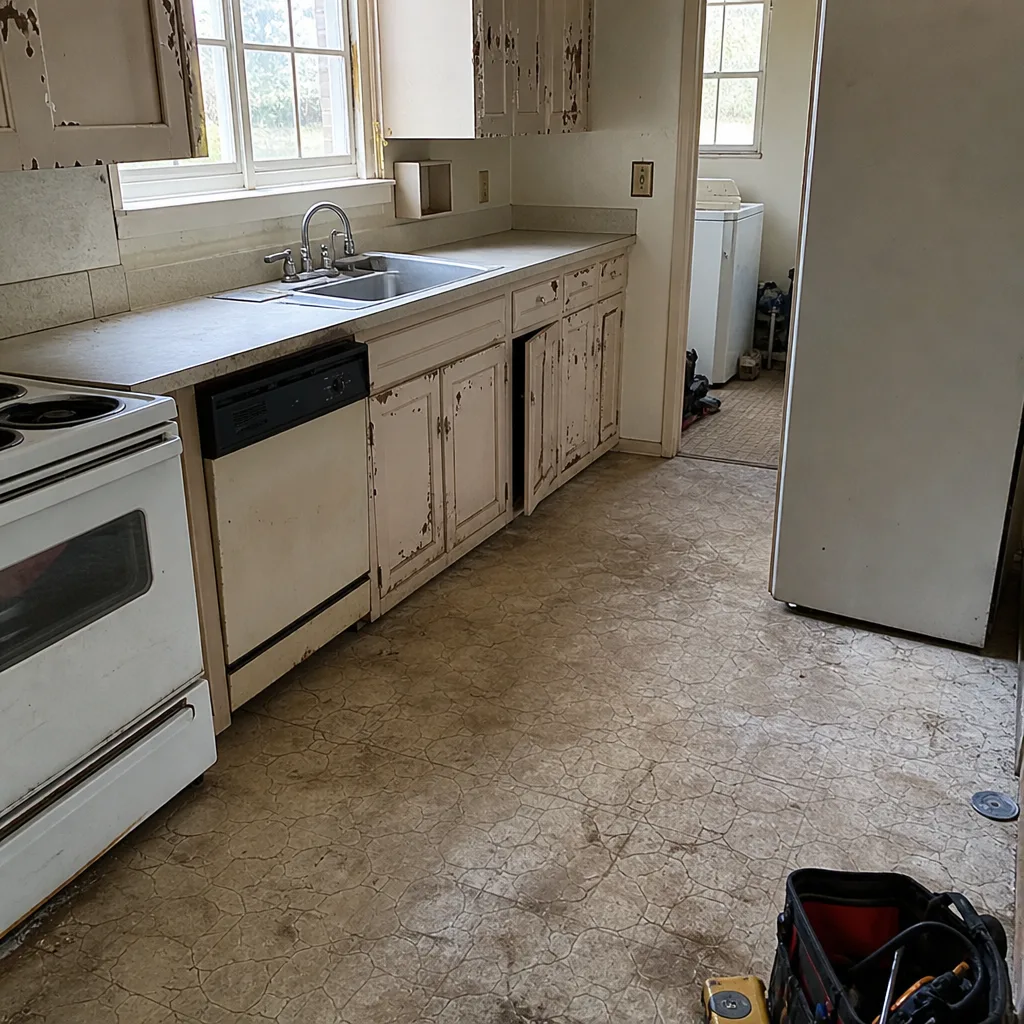
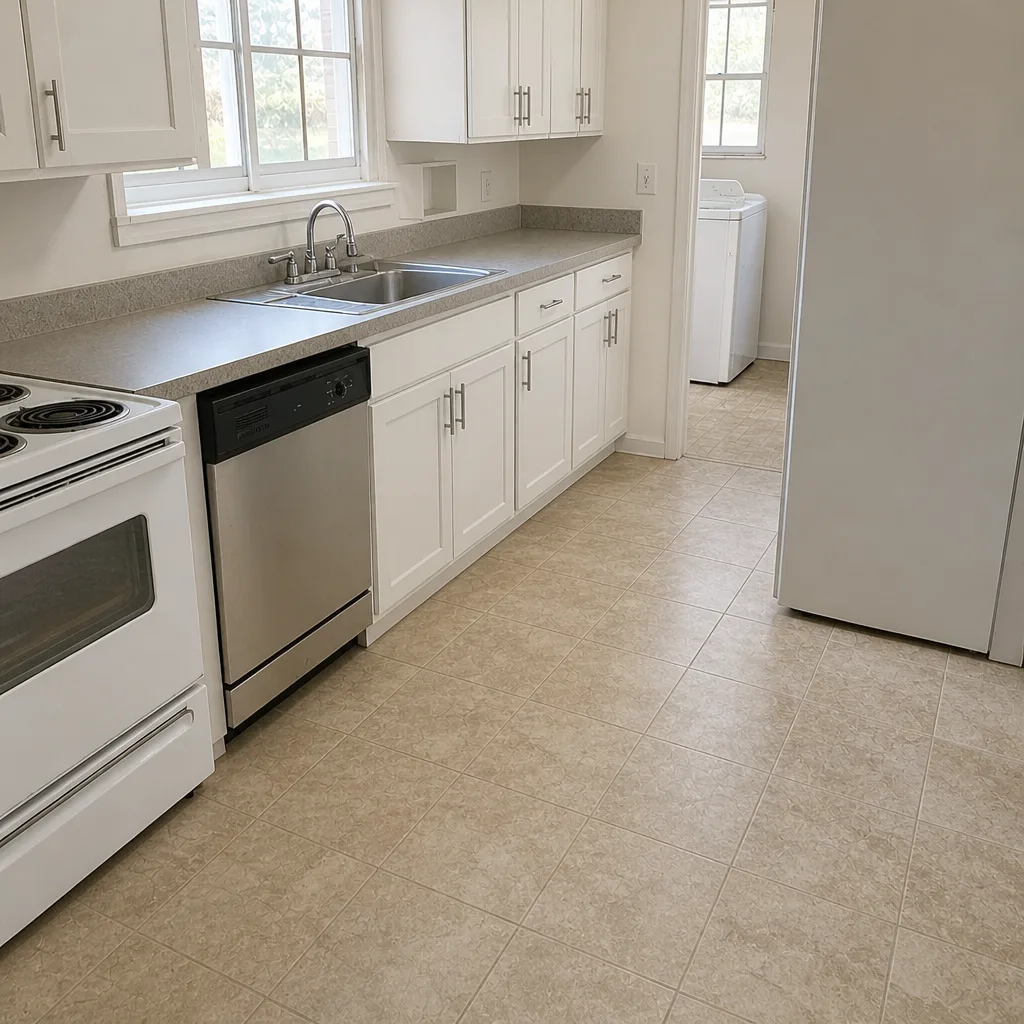
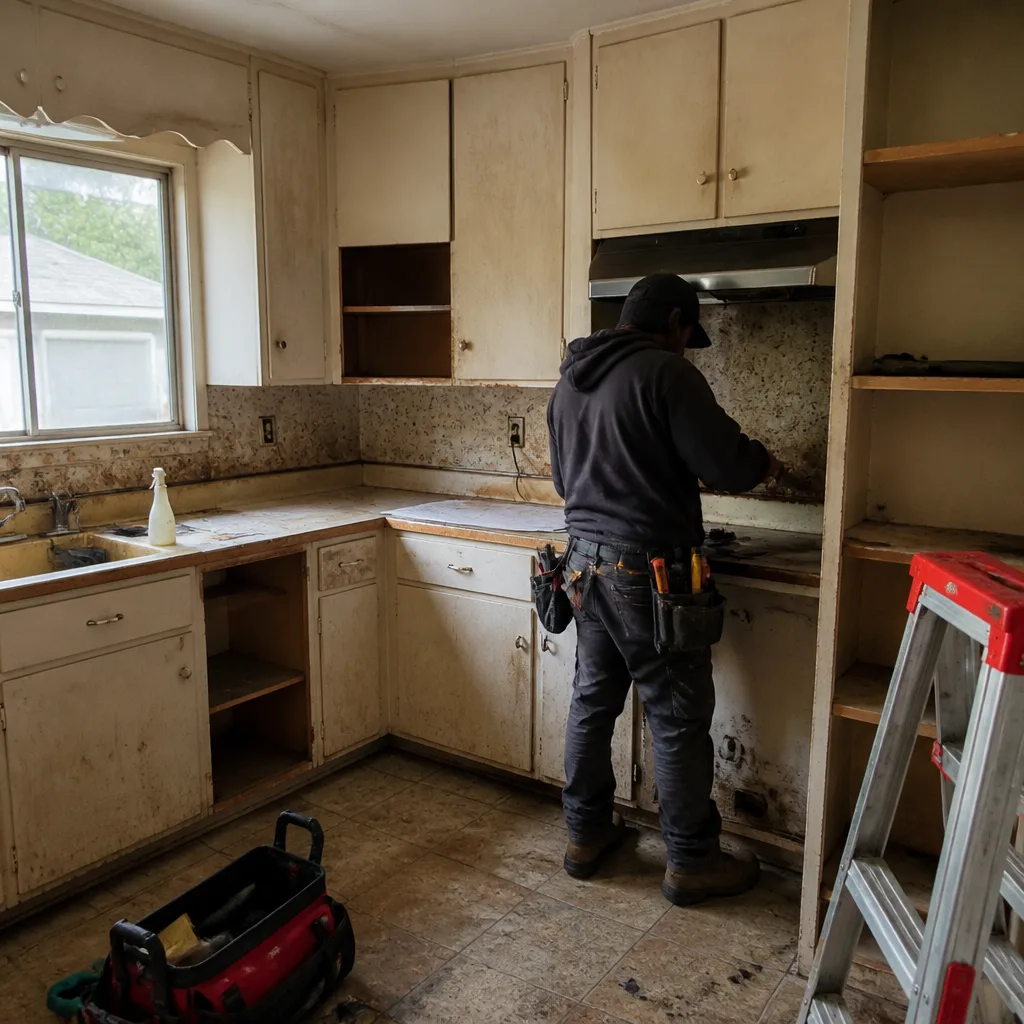
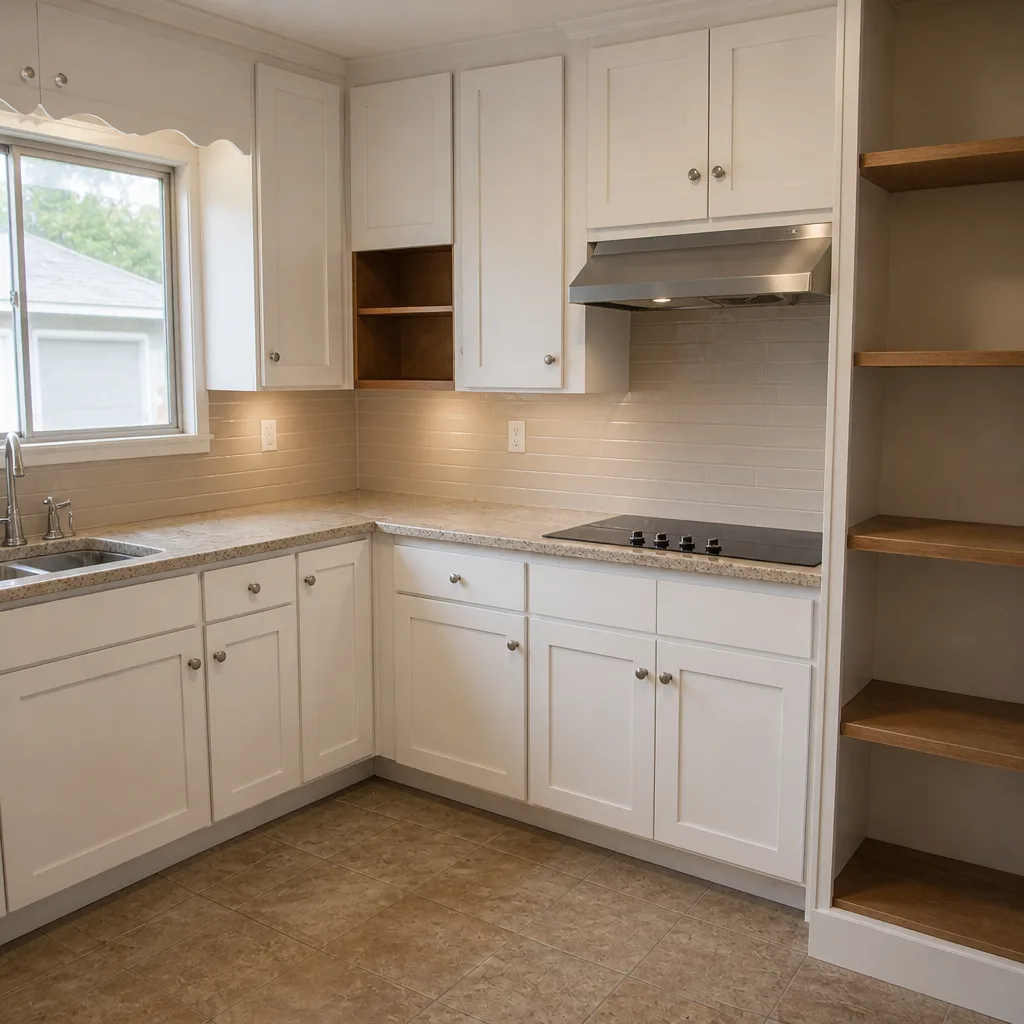
Kitchen remodeling
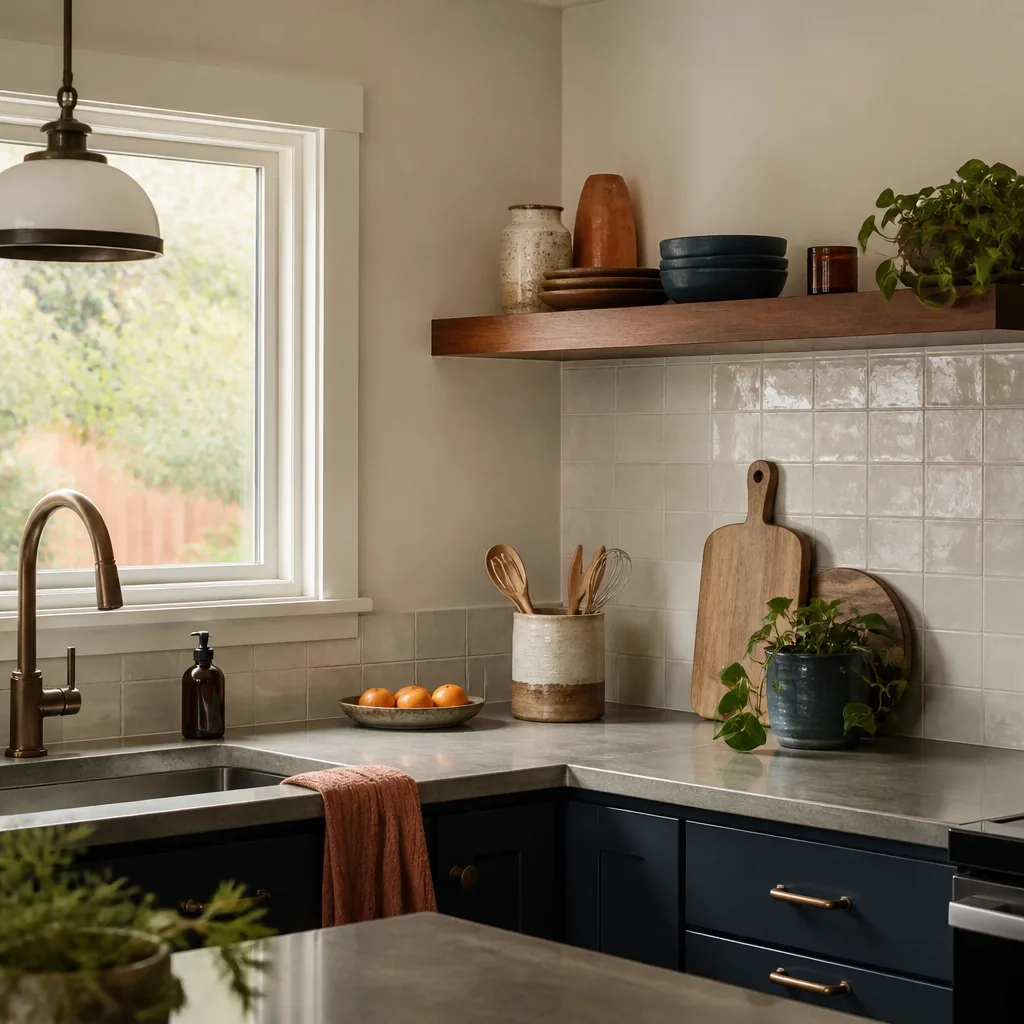
Kitchens price in tiers by cabinet line and surface material. A functional mid-tier kitchen in Pasadena, with layout preserved:
- Entry to mid: semi-custom cabinets from KraftMaid, quartz surfaces from Caesarstone or Silestone, standard plumbing fixtures. This is the workhorse kitchen and lands in the mid-five figures.
- Mid to premium: custom cabinet lines from Wellborn, premium quartz from Cambria, and a Kohler or Grohe fixture package. Upper five figures.
- Premium: layout changes, structural work, high-end appliances and finishes. Six figures.
Layout changes are the single biggest cost lever in a kitchen. Moving a sink or range means moving plumbing and gas lines, and that turns a finish upgrade into a construction project. If your cabinets and layout are sound, you can spend on surfaces and fixtures instead. See our kitchen work for brand-level detail.
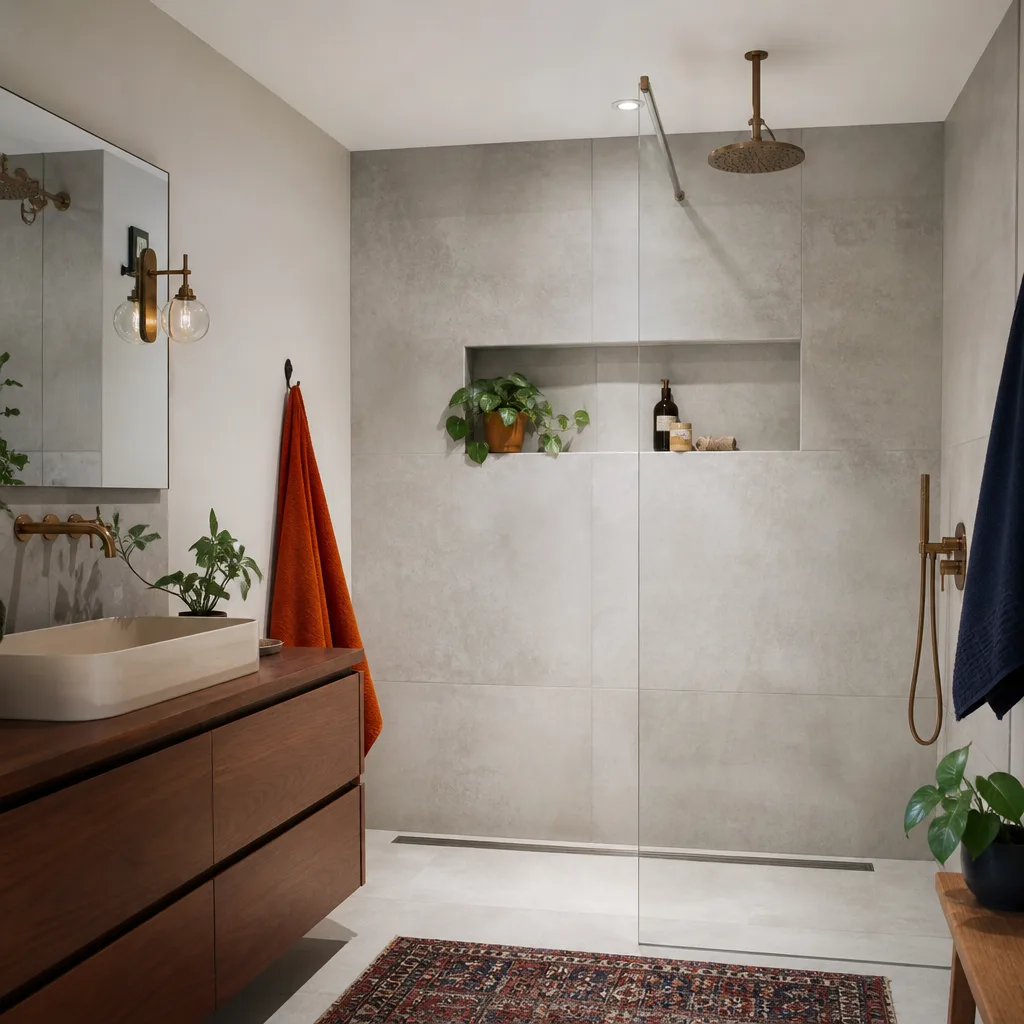
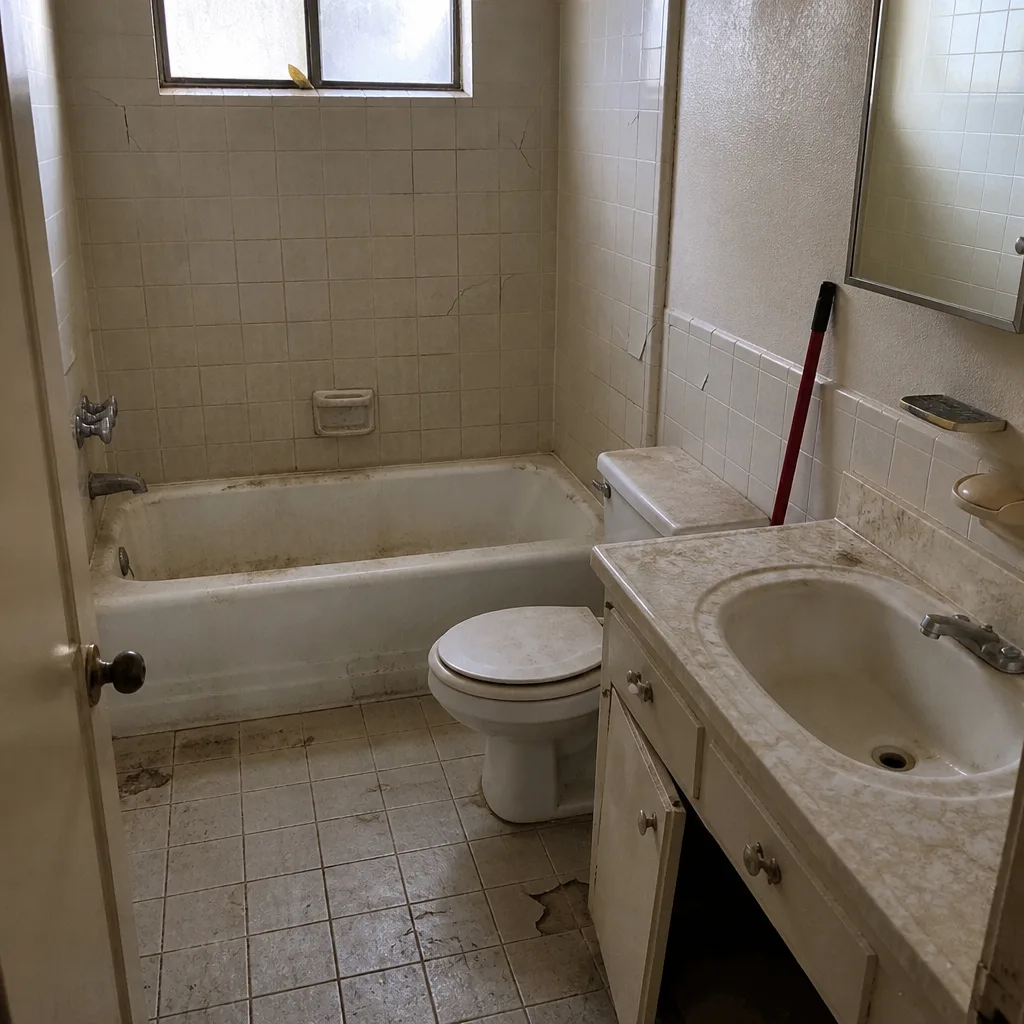
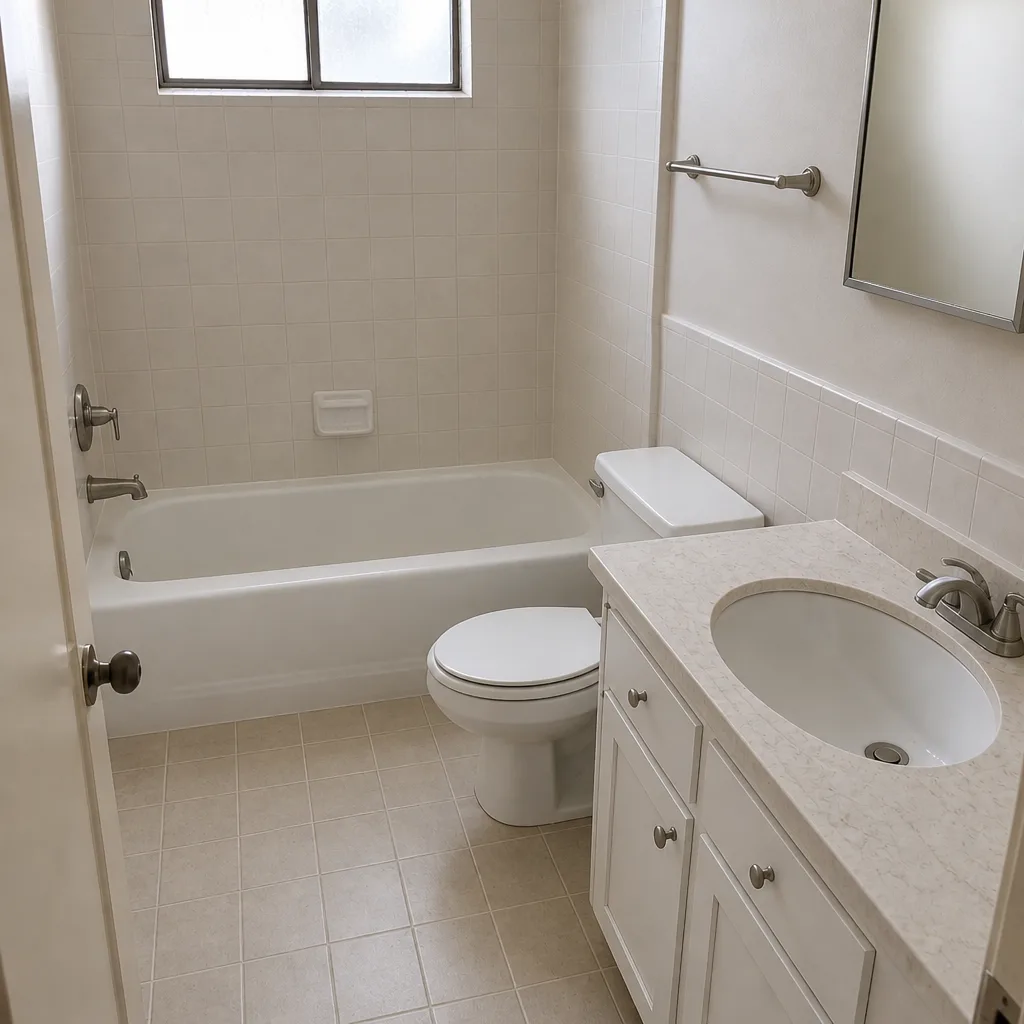
Bathroom remodeling
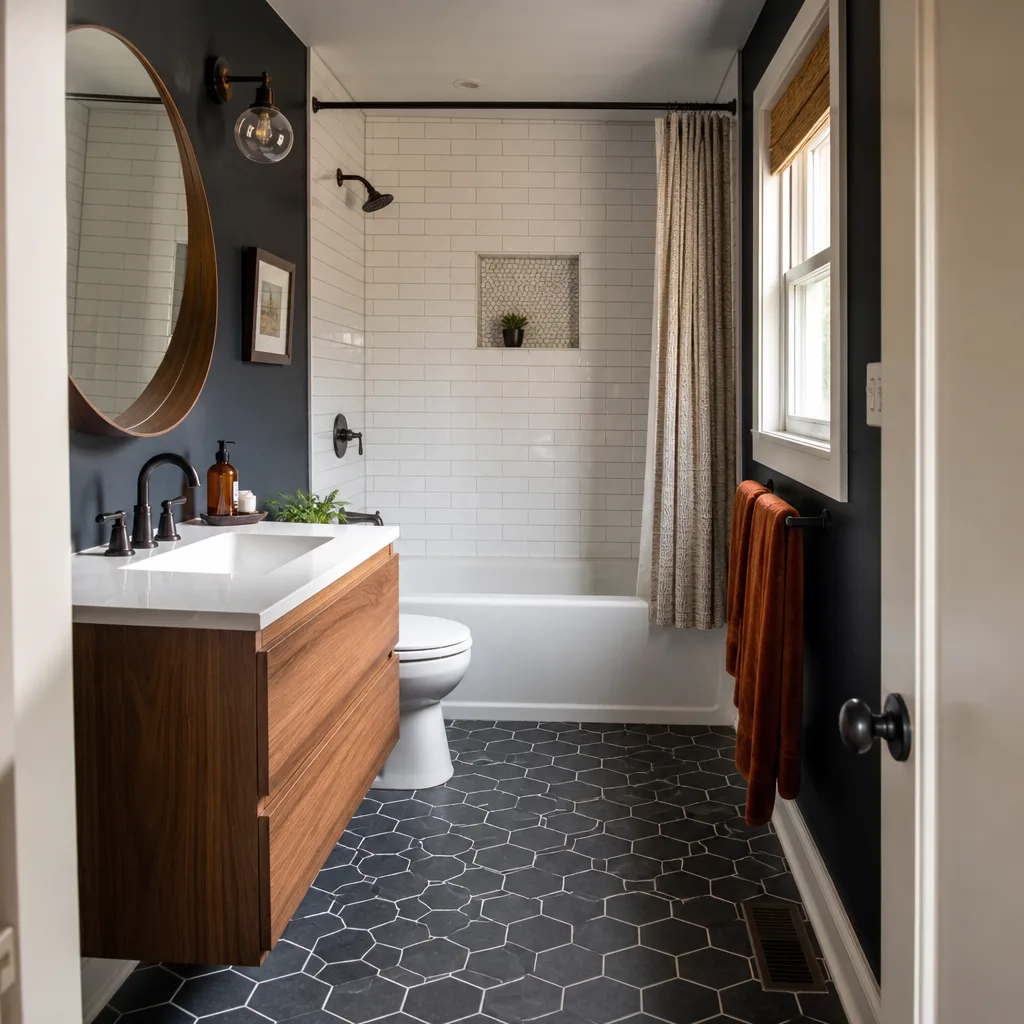
Bathrooms are small rooms with a lot of systems squeezed into them, which is why the per-square-foot cost is high. A typical Pasadena bathroom remodel:
- Entry: refreshed vanity, fixtures, and tile with the existing footprint intact, high four figures to low five figures.
- Mid: full gut with new waterproofing, tile shower, and a Kohler or Moen fixture set, mid to upper five figures.
- Premium: layout changes, steam or large-format tile, Grohe or Toto fixtures, six figures on the upper end.
Waterproofing is where cheap bathroom bids hide their savings. A proper shower assembly uses a tested system like Schluter rather than a painted-on membrane that fails years later. That difference rarely appears on the line items you compare first.
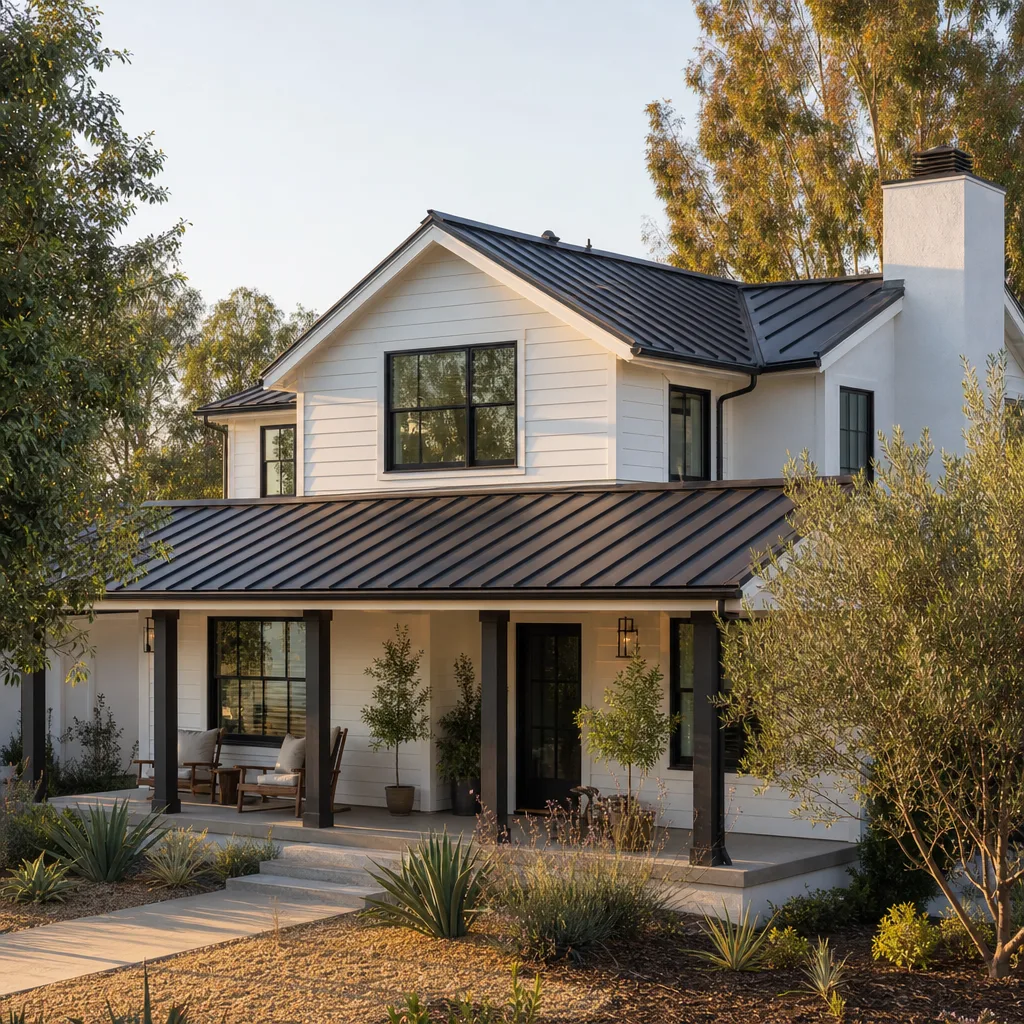
Roofing
Roofing costs depend on roof complexity, pitch, tear-off, and shingle tier. Pasadena roofs take a lot of UV and long dry seasons, so material choice matters:
- Entry: architectural shingles from a lower-priced line, high four figures to low five figures for a straightforward single-story roof.
- Mid: GAF or Owens Corning architectural shingle systems with upgraded underlayment, mid five figures.
- Premium: designer profiles, complex rooflines, or tile, upper five figures to $40,000+.
Roof complexity drives more cost than roof size. A 2,000-square-foot home with a dozen hips and valleys takes longer than a 2,400-square-foot ranch with a simple gable. Get the roof inspected and the bid scoped to what’s actually up there.
Fencing
Fencing prices per linear foot, so length, material, and terrain decide the number:
- Entry: standard vinyl or basic chain link, priced at the lower per-foot end.
- Mid: aluminum or ornamental steel systems from brands like Ameristar or Jerith, mid per-foot range.
- Premium: premium ornamental, custom gates, masonry combinations, at the higher per-foot end.
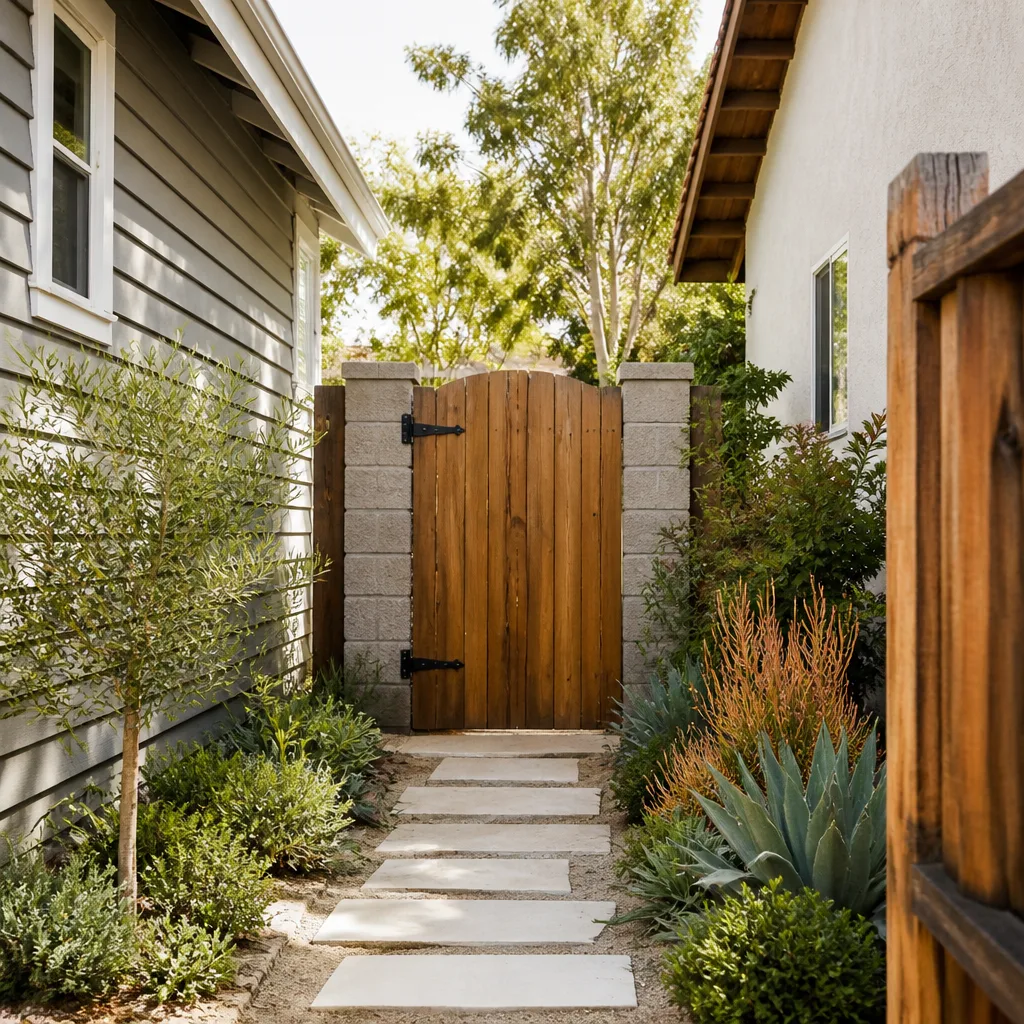
In a grid of narrow Pasadena lots, fence work often means working around mature landscaping or dealing with property line questions before the first post goes in. Our fence installation starts by nailing down the line so you don’t build twice.
Home additions and ADUs
This is the widest cost category and the one that benefits most from a specific number. A detached ADU in Pasadena generally starts around six figures and climbs with size, prefab vs. site-built, and finish level. Traditional additions price per square foot on a similar scale to an ADU but tie into the existing structure, which adds complexity.
Prefab partnerships with Abodu, Dvele, Mighty Buildings, Boxabl, and Plant Prefab give you a faster path with a fixed product cost, while traditional construction gives you design flexibility. Both are real options, and which one you choose depends on your lot, timeline, and how custom you want to go. Our home additions & ADU work covers both pathways, and this guide prices them separately where it matters.
How Pasadena Permit Fees Add to Your Total
Pasadena calculates most construction permit fees on declared project valuation: the higher the value you declare, the higher the fee. That means your permit cost scales with what the project actually is, not with a flat schedule per square foot. A modest bathroom refresh may need a smaller permit; a kitchen gut with new electrical and plumbing, or an ADU, triggers a larger fee and, in some project categories, additional plan-check and inspection costs.
Here’s a practical way to plan for it:
- Identify every trade that needs a permit. Electrical, plumbing, mechanical, and structural work each have their own review, and multiple trades can mean multiple fees bundled into one valuation.
- Ask your contractor for the permit line item separately. A bid that folds fees into a single lump-sum “permits” line hides what you’re paying. Get the number.
- Confirm who pulls the permit. The contractor should pull it in a way that puts the permit in the right name and keeps you out of inspection trouble later.
- Budget for the possibility of plan check. Projects that touch structure or visible exterior changes may go through additional review, which adds weeks and sometimes fees before a shovel goes in.
Permit fees rarely dominate a project’s total, but they can shift a decision at the margin. A homeowner deciding between a minor remodel and a full gut should see the permit delta before committing. This is exactly the kind of number that belongs in a bid, not in a general “permits may apply” disclaimer.
Pasadena also applies design review standards to certain exterior changes in designated areas. If your project is visible from the street, build in time for that review in your schedule and your budget.
Single Contractor vs. Multi-Vendor Delivery
Here’s the honest version of the coordination premium. When you hire separate contractors for the kitchen, roof, fence, and driveway, you pay less per trade on paper. Then the coordination costs arrive.
Where the coordination premium actually shows up
- Trade overlap rework. The roofer finishes, then the gutter installer cuts into the new fascia, then the painter comes back. Each return trip is a billable cost that a single contractor would have sequenced away.
- Timeline drag. Multiple schedules mean multiple waiting periods, and every idle week costs you in rent, storage, or lost production.
- Warranty finger-pointing. When two trades touch the same problem and the fix is unclear, blame costs you more than time. A single point of contact settles it.
- Design coherence. When the paver manufacturer, fence brand, and kitchen surface line are all chosen by one contractor, they read as a set, not as three separate houses glued together.
Where the premium makes sense and where it doesn’t
If you’re doing one small job, a specialized trade is often the right call and the coordination premium doesn’t earn its keep. If you’re doing two or more trades, the math usually flips. A homeowner replacing the driveway, repairing the fence, and remodeling a bathroom as one project is paying for sequence, staging, and a single warranty, which is cheaper than chasing four contractors through Pasadena’s scheduling and permitting maze.
Construction Pasadena’s whole model is one contractor across every trade. That setup is the reason a homeowner can hand over the driveway and the roofline in one project and not feel like the general contractor is their new job.
2026 Material Cost Drivers
Materials don’t move in lockstep, and knowing which categories are still climbing versus which have flattened helps you phase a project. Here’s what we’re seeing heading into 2026.
- Composite decking (Trex class): sustained upward pressure. Resin and polyethylene inputs remain volatile, and demand from owners who want low-maintenance surfaces keeps pricing firm. If you’re planning a composite deck or fence in this class, expect the number to be higher, not lower, a year from now.
- Paver systems (Belgard, Unilock, Tremron): stabilized versus two years ago. Cement-based products have settled after the run-ups, which makes this a reasonable window to lock in a paver project before the next input shock.
- Fiber cement and siding (James Hardie class): stable to slightly up. Labor costs to install are the real driver here, not the material itself.
- Roofing shingles (GAF, CertainTeed, Owens Corning): broadly flat, with the usual seasonal fluctuation. Energy costs in manufacturing and asphalt supply are the swing factors, but the direction is not alarming.
- Cabinetry (KraftMaid, Wellborn): up modestly, driven by labor and finishes rather than raw board. Lead times have improved from the worst of recent years, which is good news for a kitchen timeline.
- Windows and doors: up, and steady. Impact-rated and energy-efficient products from brands like PGT and Therma-Tru carry premiums tied to the glass and hardware, not to local assembly.
The practical takeaway: if you’re planning a composite or premium-material project, price it now. If you’re planning a paver or shingle project, the current band is a reasonable entry point. Either way, the specific brand and product line on your bid is the number that matters, not a general market average.
How to Read a Contractor Bid
Two bids for the same project can differ by 30% and both be accurate, because they’re priced for different scopes. The skill that saves you the most money is reading the line items and verifying that what’s proposed matches the price. Here’s how to do it.
- Check scope completeness. Does the bid include demo, disposal, permits, and inspection fees as named line items, or does it say “misc.”? Missing items at the bottom are the most common source of change orders.
- Match brand names to product tier. A bid that says “premium cabinets” without naming KraftMaid or Wellborn, or “quartz countertops” without naming Cambria or Caesarstone, isn’t a specification. Demand the line.
- Look for waterproofing and underlayment detail. In bathrooms and on roofs, the bid should name the system (Schluter waterproofing, GAF underlayment) so you can verify the price reflects the material.
- Compare labor line by line, not room by room. A kitchen bid broken down by cabinet, surface, plumbing, electrical, and labor is verifiable. A single lump-sum number is not.
- Check the assumptions. Does the bid assume existing conditions are usable, or does it price the unknowns? A bid that assumes a sound wall that turns out to be rotten will change once work starts.
- Confirm the warranty and change-order policy in writing. Who pays if a hidden problem appears? What triggers a change order? A bid should answer this before signing, not after.
- Ask for permit responsibility. The bid should state clearly that permits are pulled and inspections passed as part of the price, not billed on top.
If a bid names the brand, quantifies the scope, and prices in the permits and disposal, you can compare it directly against another. If it doesn’t, you’re comparing shadows.
Common Mistakes to Avoid
- Budgeting from national averages instead of a line-item bid. A national “typical kitchen” number won’t reflect Pasadena’s permits, labor, or material logistics. Get the bid from someone who works this market.
- Comparing contractor prices without comparing scope. The cheaper bid often omits demo, disposal, or permits, which then reappear as change orders. Verify the scopes match before you compare numbers.
- Skipping the material specification. “We’ll use quality materials” tells you nothing. Insist on named products and tiers so you know what’s actually going in your house.
- Leaving waterproofing and underlayment unnamed. These are hidden systems and the place cheap bids save money. Silent bids on a shower or roof should raise a question.
- Pulling permits late or skipping them. Unpermitted work becomes a problem at resale and can force you to tear out a finished remodel. Confirm the permit plan before anyone touches a wall.
- Staging blind. Dense Pasadena lots need a staging and dumpster plan up front. A contractor who hasn’t thought about access before the estimate hasn’t really estimated.
- Ignoring the trade-overlap cost. Scheduling separate trades to finish in sequence often costs more than the apparently higher single-contractor bid, because rework and idle time are billable too.
When to Call a Professional
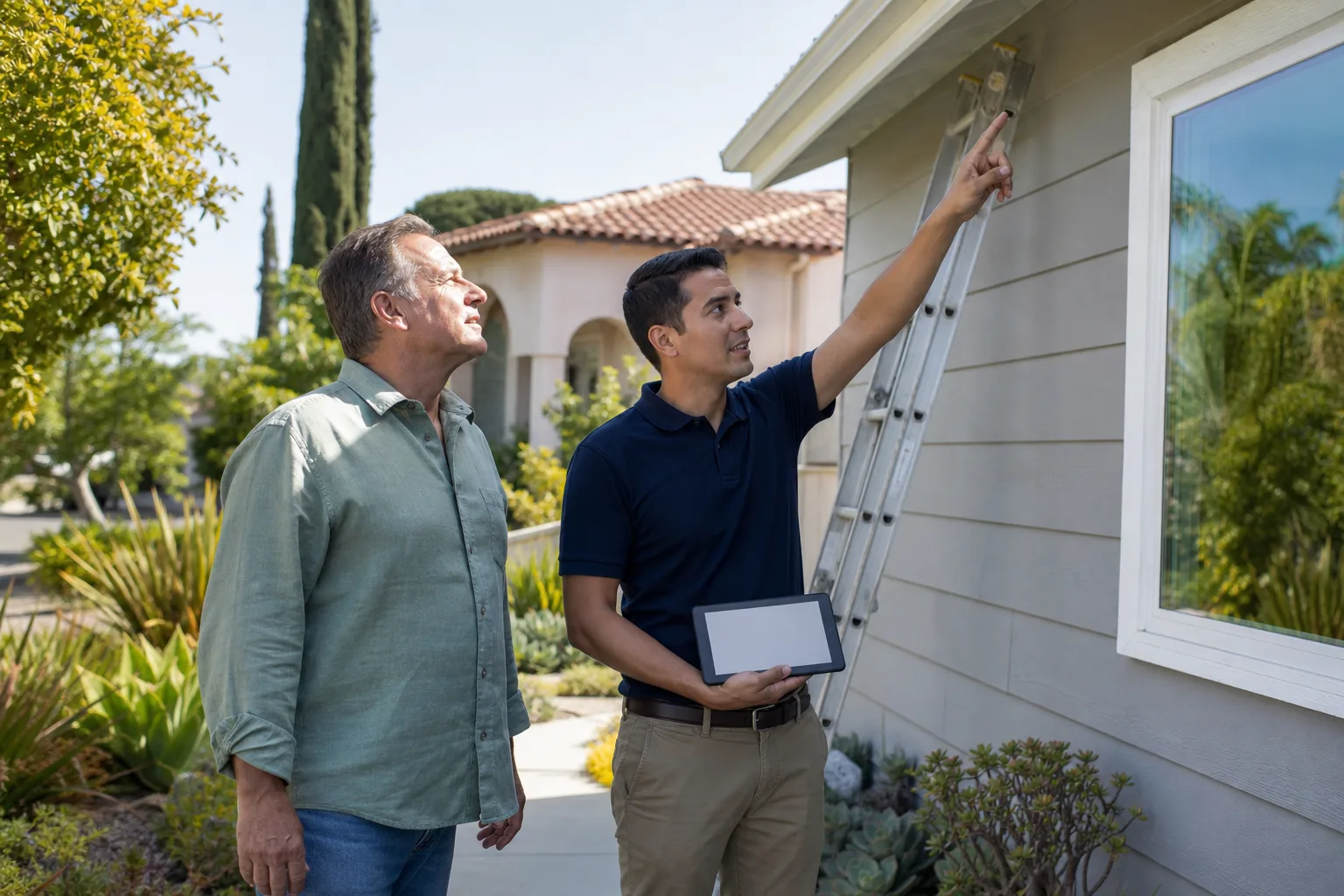
Some costs are worth verifying before you commit, and a professional estimate is the fastest way to do it. Call a licensed contractor when you’re planning a project that touches more than one trade, when you need a permit and a full scope, when a bid seems low and you can’t verify why, or when a project has stalled mid-way and you need someone to price the finish. Get a professional on site before you buy materials: the wrong cabinet line or paver system can eat your budget, and a site visit is the cheapest step you can take.
Construction Pasadena offers free estimates in Pasadena. We’ll scope the project, name the materials, and put it in writing. Call (844) 905-4587. We answer 24/7. Fast dispatch from 7am to 7pm, Sunday through Friday.
Frequently Asked Questions
A typical Pasadena kitchen remodel with the layout preserved runs from the mid-$30,000s for a mid-tier project into six figures on the premium end, with cabinet line and countertop material being the largest swing factors. Cabinet brands like KraftMaid and Wellborn and surfaces from Cambria and Caesarstone sit at different tiers, and layout changes add structural and utility work that shifts the number. Call (844) 905-4587 for an exact quote. Estimates are free.
Yes. Pasadena runs roughly 8 – 12% above Los Angeles medians and 15 – 25% above national averages, driven mainly by the city’s permit fee structure, prevailing wage pressures in certain project categories, and the logistics of staging work in a dense residential grid. East Pasadena, Bungalow Heaven, and the South Lake area all share narrow streets and tight lots that add real time and cost. Call (844) 905-4587 to price your specific project. Estimates are free.
Yes, our bids include pulling permits and passing inspections as part of the scope. Pasadena calculates fees on declared valuation, so you’ll see the permit line item and know exactly what you’re paying. Call (844) 905-4587 for a written, line-item estimate. Estimates are free.
Different prices usually mean different scopes, not different numbers for the same work. One bid may include demo, disposal, permits, and inspection, while another hides those costs until work starts. Compare line by line and confirm the material brand on each. If you want a verifiable bid with named products, call (844) 905-4587. Estimates are free.
It depends on the trades involved and the permitting path. A driveway replacement is days; a full kitchen can be weeks to a couple of months; a bathroom is typically weeks; an ADU is a longer runway, longer with traditional construction than with a prefab option. Your written estimate should include a schedule, and any revision sets a new timeline. Call (844) 905-4587 to plan your project. Estimates are free.
You can use either. Prefab partnerships with Abodu, Dvele, Mighty Buildings, Boxabl, and Plant Prefab give you a fixed product cost and a faster path, while traditional construction gives you design flexibility. Both are legitimate options, and the right choice depends on your lot and how custom you want the result. Call (844) 905-4587 to compare both paths. Estimates are free.
The Bottom Line
Pasadena construction costs more than the national average, and a plan built on generic ranges will fail to price the permits, the staging, the labor market, and the materials actually going into your home. The fix is a written, line-item bid that names the brand and the scope, includes permits and disposal, and prices the unknowns. Price your project in tiers tied to real products, verify the specifications, and compare bids line by line rather than lump sum to lump sum. That approach gets you a defensible number for 2026, whether you’re planning a driveway, a kitchen, or an ADU.
Call (844) 905-4587 to schedule your free estimate. We answer 24/7. Fast dispatch from 7am to 7pm, Sunday through Friday.
Written by the team at Construction Pasadena.
See the difference
 Before
 After
 Before
 After
 Before
 After