Last updated November 17, 2026
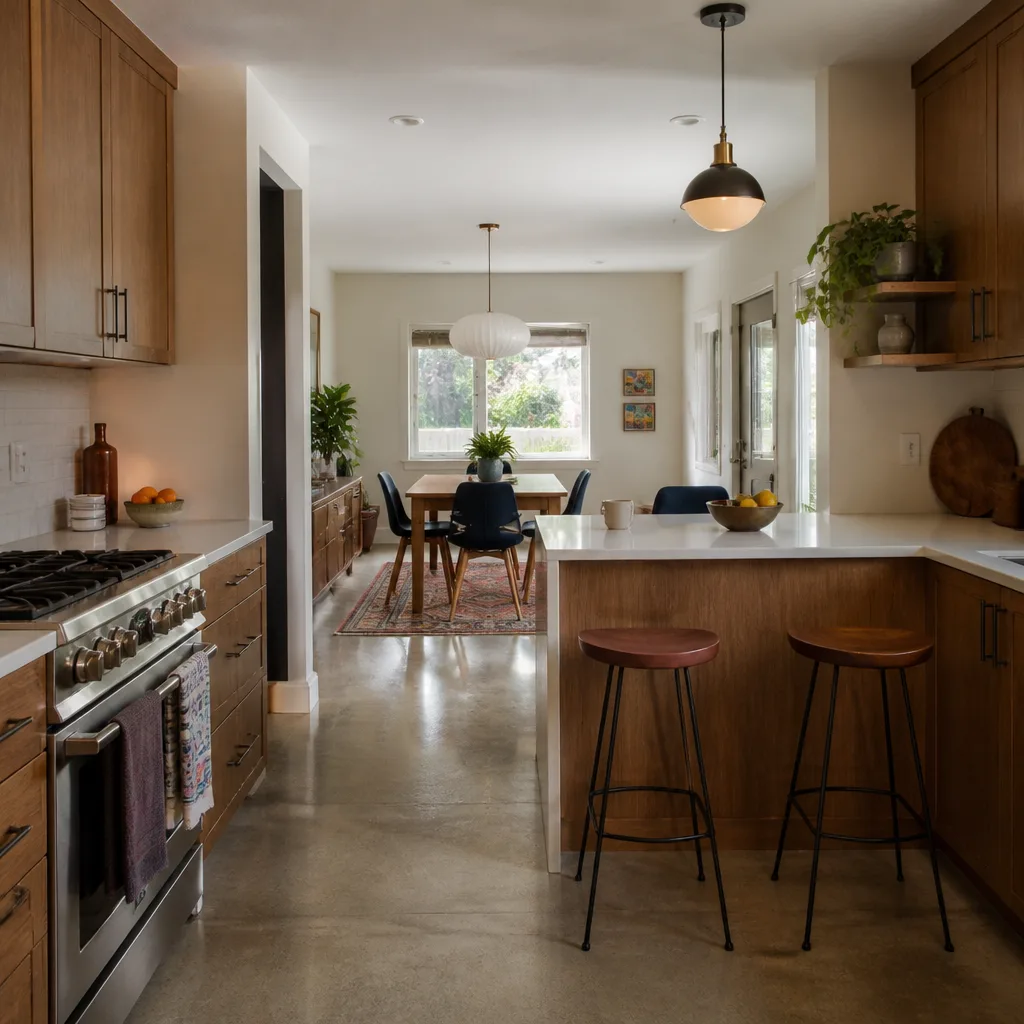

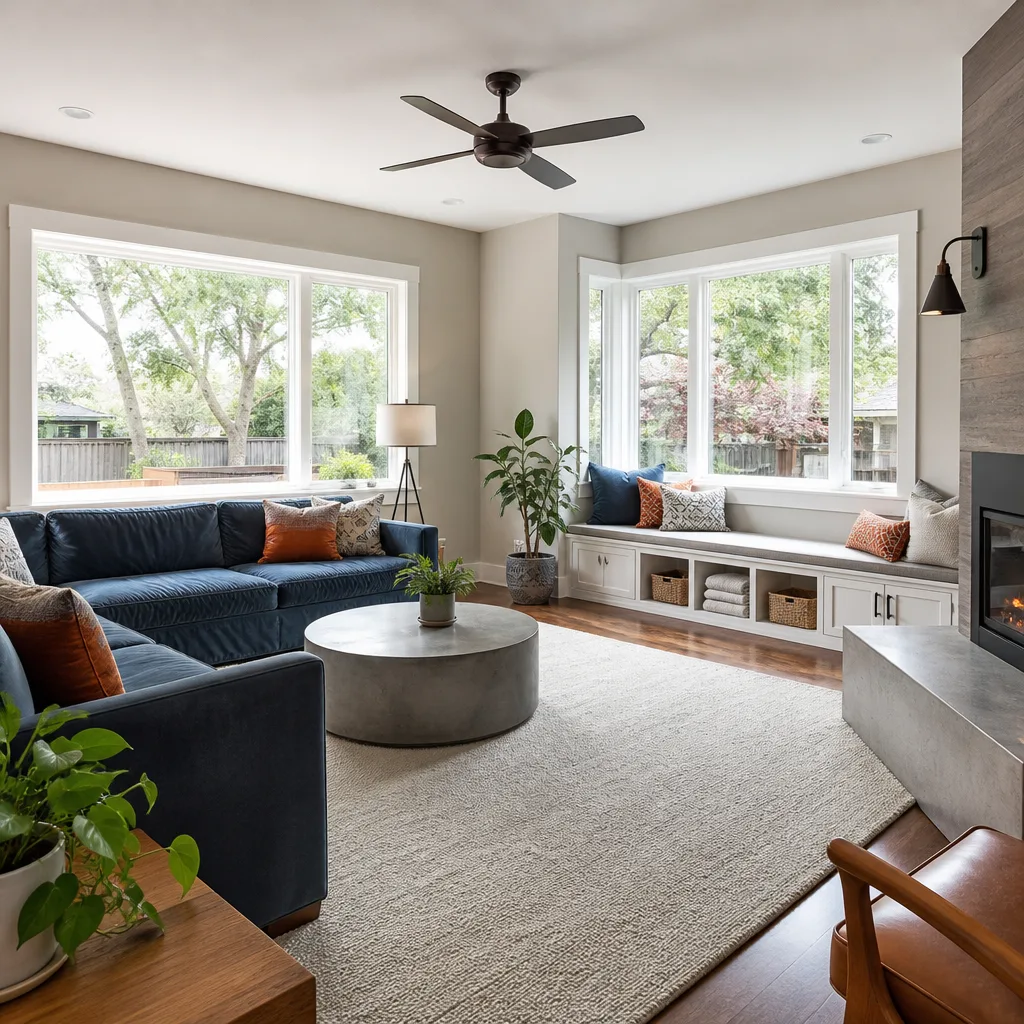
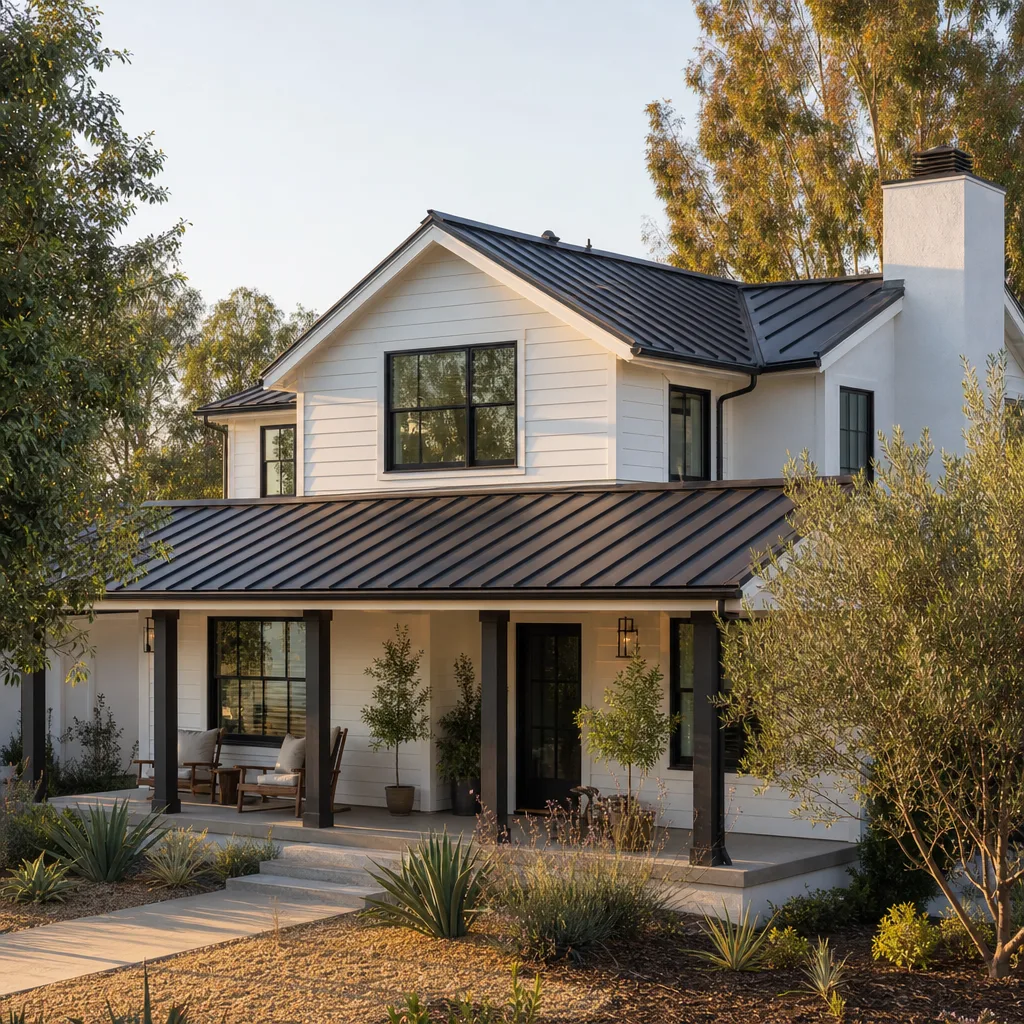
Free written scope consultation - allowances, timeline, and change-order rules on paper before a single trade is scheduled
Construction Emergency Preparedness Guide for Pasadena Homes
Most emergency prep advice you’ll read about Pasadena is a shopping list: water, batteries, a go-bag by the door. That’s the front half of the job, and it’s the easy half. The part that actually decides how much damage a home takes, how long a family is displaced, and whether the insurance check covers the rebuild is construction. Pasadena sits in a hazard profile that stacks seismic shaking, wildfire exposure in the wildland-urban interface, and atmospheric river rain events on top of an old housing stock. This guide walks through the property-specific upgrades that reduce post-event cost, what they involve, and how to document everything so a claim goes smoothly. You’ll finish knowing which construction decisions are worth making before the ground moves.
Quick Answer
The highest-value construction emergency prep for a Pasadena home comes down to four things: seismic retrofitting for pre-1980 houses (cripple wall bracing, water heater strapping, chimney assessment), wildfire hardening that satisfies both insurance underwriting and CalFire’s Wildfire Home Assessment criteria (Class A roofing, ember-resistant vents, non-combustible siding), drainage grading that moves atmospheric river runoff away from the foundation, and a photographic record of every material, permit and assembly in the house. Do these in that order, and you’ve reduced the two biggest risks in this region while building the documentation an insurance adjuster will ask for.
Styles & brands we work with
- Kitchen remodeling
- Bathroom remodeling
- Home additions & ADU
- Roofing
- Windows & doors
- Driveway & pavers
- Fence
Table of Contents
- Why construction is the core of Pasadena emergency prep
- Seismic retrofitting priorities for pre-1980 Pasadena housing
- Wildfire hardening that satisfies insurance and CalFire criteria
- Drainage and grading for atmospheric river flood risk
- Utility shutoff preparedness and seismic gas valves
- Post-disaster documentation prep
- How to sequence your preparedness investment
- Common mistakes to avoid
- When to call a professional
- Frequently asked questions
Why construction is the core of Pasadena emergency prep
Pasadena’s housing stock tells the story. A large share of the city’s single-family homes were built before 1980, and much of that inventory predates the seismic provisions that shaped construction after the late 1970s. Those older houses share a set of weaknesses that show up again and again in an earthquake: unbraced cripple walls under the floor, water heaters held in place by nothing but a supply line, masonry chimneys that crack at the roofline. None of those are exotic problems. All of them are fixable before an event, and expensive to fix after one.
Layer on two more hazards and the picture gets specific. Pasadena borders the Angeles National Forest, and neighborhoods at the northern edge sit in wildland-urban interface zones where an ember-driven fire is a real exposure, not a theoretical one. Meanwhile, the same canyons and foothills that make the city beautiful funnel winter storm runoff toward the flats during atmospheric river events. A house can be seismically sound, fire-hardened and still take on water because the grading slopes back toward the foundation.
What’s changed in the last two years is insurance. After the 2024 and 2025 Los Angeles County fire events, homeowners in Pasadena’s WUI zones have faced non-renewal at scale, and carriers are asking for documentation they never asked for before. Here’s the useful part: the construction upgrades that qualify a home for continued coverage are the same upgrades that reduce fire damage risk. Preparedness spending and property investment converge. When you replace a wood-shake roof with a Class A assembly, you’re not doing two things. You’re doing one thing that serves both goals.
Our technicians have up to 12 years of experience across roofing, framing, drainage and remodel work, and the pattern we see on assessments is consistent: the homes that come through an event with the least damage are the ones where someone thought about construction failure modes in advance. This guide is how we think about that, written for Pasadena homeowners who’d rather spend a Saturday on prevention than a season on a claim.
Seismic retrofitting priorities for pre-1980 Pasadena housing
If your Pasadena home was built before 1980, three retrofit items matter more than everything else. They address the failure points that turn a survivable earthquake into a red-tagged house.
Cripple wall bracing
A cripple wall is the short stud wall between the foundation and the floor framing on a raised house. In older construction it’s often unbraced, and when the ground shakes, that wall can rack and collapse, dropping the house off its foundation. Bracing means adding plywood shear panels and framing hardware that tie the studs to the foundation sill and to the floor above. What you should understand is that this is engineered work, not a weekend project. A licensed retrofit contractor assesses the wall condition, sizes the bracing, and in most cases the job requires a permit and inspection from the city. Ask any contractor you talk to how they handle permitting. We pull permits and pass inspections as a matter of course on every structural job, and a seismic retrofit that skipped the permit is a liability you’ll carry into resale.
Water heater strapping
A water heater is heavy, top-tall and often plumbed with a rigid gas connector. Unsecured, it tips in a quake, ruptures the gas line and creates both a fire and a flooding risk at once. Strapping means two metal straps around the tank anchored to wall studs, plus a flexible gas connector and a seismic gas shutoff valve (covered later in this guide). This is a modest job with outsized returns. It’s also a common point of insurance inspection.
Chimney assessment
Masonry chimneys crack where they pass through the roof and at the mortar joints above. After shaking, an unreinforced chimney can shed brick onto a roof or into a yard, and a cracked flue can let carbon monoxide into the house. An assessment looks at the mortar, the flue liner, the roof penetration and whether the chimney is braced to the framing. Where the chimney isn’t structurally tied, bracing or a rebuild is the answer. We do the roof and framing side of this work, and where the masonry itself needs rework, we’ll tell you that plainly rather than stretching a scope.
What a licensed retrofit looks like
- An assessment of foundation type, cripple wall condition, and anchoring hardware.
- A drawing and engineering scope for the bracing and connections.
- Permit pulled with the city before work begins.
- Installation of shear panels, anchor bolts and framing connectors.
- Inspection sign-off, documented with photos for your records.
That documentation step matters more than people expect, and we’ll come back to it. If you’re planning a larger structural project at the same time, home additions & ADU work often shares framing and foundation scope with a retrofit, which can make both jobs more efficient than either alone.
Wildfire hardening that satisfies insurance and CalFire criteria
The wildfire hardening work that insurers now ask for in Pasadena’s WUI zones is the same work CalFire’s Wildfire Home Assessment looks at. You don’t need to satisfy two sets of standards. You need to understand the three failure routes fire uses to reach a house, and close them.
Embers. Most homes lost to wildfire ignite from embers, not a wall of flame. Embers drift ahead of the fire front, land in gutters, on roofs and in attic vents, and start small fires that spread. The defenses are ember-resistant vent screening, non-combustible gutter and roof-edge materials, and removing combustible debris from the roof and the first five feet of the yard.
Radiant heat and flame contact. Siding and windows take on the direct radiant load. Non-combustible siding and multi-pane windows buy time for the structure to survive the fire’s front.
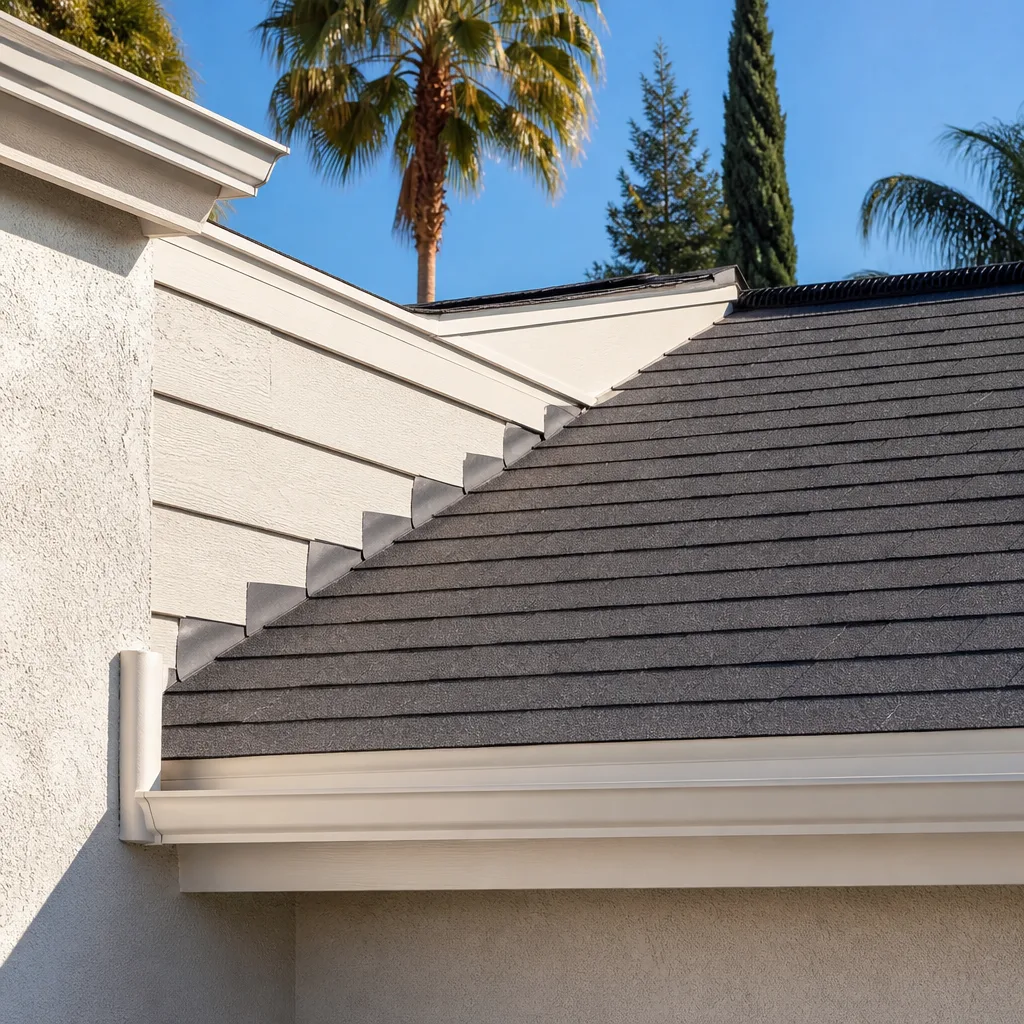
Roof and decking. Roofs are the largest exposure surface on the house. A Class A fire-rated roofing assembly is the baseline, and it’s what underwriters ask about.
Specific products and what they carry
- GAF Timberline HDZ – a Class A fire-rated asphalt shingle system. The rating comes from the full assembly, not the shingle alone, so underlayment and edge metal matter.
- CertainTeed and Owens Corning – both offer Class A rated roofing systems. We’re authorized to install and work with these lines, which means we can walk you through the rating documentation for the specific assembly on your roof.
- James Hardie lap siding – fiber cement, non-combustible, and a common answer to the siding line on a wildfire assessment. It also holds up to Southern California sun far better than wood.
- Ember-resistant vent screening – roof and foundation vents screened to exclude embers. A small line item that closes a major ignition path.
If your roof is near end of life and you’re in a WUI zone, this is the rare case where a roofing replacement is genuinely a preparedness decision and a property improvement at the same time. Our roofing work covers the full assembly and the documentation to show your carrier. Ask for the rating paperwork when you get your written estimate, and compare it across quotes. Those ratings are a material choice, not a material surprise.
Drainage and grading for atmospheric river flood risk
Atmospheric river storms dump a season’s worth of rain in a few days, and Pasadena’s foothill geography sends that water downhill fast. The houses that flood aren’t usually on a floodplain. They’re the ones where water sheet-flows toward the foundation because the yard slopes wrong, or where a downspout drops next to a slab wall.
Start with a site drainage assessment. It covers the ground slope around the perimeter of the house, the condition and routing of downspouts, where water ponds after a storm, and how surface flow crosses the property relative to the neighbors’ grade. From there, the fix is a combination of grading adjustments and collection systems.
What the common drainage fixes involve
- Regrading: reshaping the ground so it slopes away from the foundation over a defined distance. The cheapest fix when the house sits high enough to permit it.
- French drains: a gravel-wrapped perforated pipe in a trench that collects surface and shallow groundwater and moves it to a discharge point. Good for yards that hold water.
- Catch basins: a grated box that collects runoff from a low point and feeds a buried line. Usually paired with a French drain or replaced downspouts.
- Downspout routing: redirecting roof runoff away from the wall and slab. Simple, and frequently overlooked.
For context on what this work typically runs, French drain installation in the Pasadena market generally lands in a range that depends on the length of run, the depth needed, whether trenching crosses hardscape, and where the discharge can legally go. Catch basin installation is usually quoted per unit plus the line connecting it. We put a line-item estimate in writing before any digging starts, so you see the footage and the materials rather than a lump number. Permits are often required when drainage work changes grading near a lot line or connects to a municipal system, and we handle the permitting rather than leaving it on you.
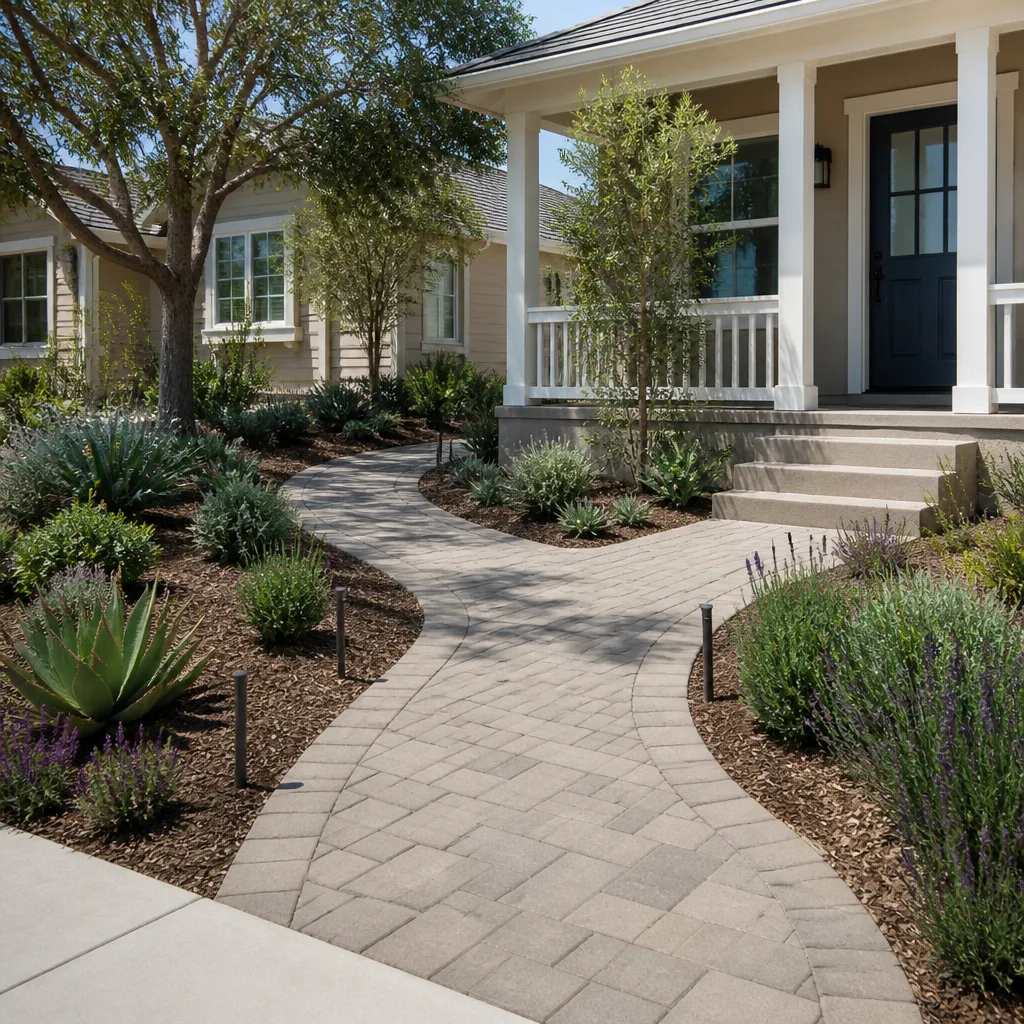
Once drainage is in, the finishing surface matters. Our driveway & pavers scope includes permeable and edge-drained paver systems using Belgard, Unilock, Techo-Bloc and Cambridge Pavers, which lets a hardscape job do double duty as stormwater management.
Utility shutoff preparedness and seismic gas valves
In an earthquake, the first ten minutes matter most. Knowing where your gas, water and electrical shutoffs are, and having them labeled clearly, is the cheapest emergency preparedness step there is. It’s also the one most homeowners can’t answer on the spot.
Here’s what a shutoff walkthrough covers, and what you should locate and mark today.
- Gas meter valve: typically at the meter, where the supply enters the house. Tag it. Know the wrench you’d need, and store one nearby.
- Water main shutoff: often at the meter or the point where the supply enters the structure. Tag it, and test that the valve turns before you need it to.
- Electrical main breaker: in the panel. Label which breaker feeds what, because after an event you may need to isolate.
A gas shutoff valve is manual and needs a person to close it. A seismic gas shutoff valve is automatic. It’s installed in-line after the meter, and when the ground shakes past a set threshold, a ball inside trips and closes the supply without anyone touching it. That’s the value: if no one is home, the valve still closes. The hardware is installed by a licensed plumber or gas contractor, requires a permit, and gets inspected. It’s not a part you install yourself. Shutoff valves, gas piping and electrical panels are genuinely dangerous, and a botched gas connection is a fire and explosion risk. Have a licensed professional do it, and don’t take a shortcut here.
Labeling is the other half. Label every shutoff with a durable tag, and do the same for the water heater gas valve and the panel. When the utility company or a first responder needs to isolate a service, labeled shutoffs save minutes that matter. If you’re planning a bathroom remodel or any project that opens up walls, that’s a natural moment to do the labeling and have a valve checked in the same visit.
Post-disaster documentation prep
If there’s one preparedness step with the highest return for the least effort, it’s documenting your house before you need to. The gap between what an insurer pays and what a rebuild actually costs usually traces back to documentation. An adjuster who can see the exact roofing assembly, the siding product and the permit record settles a claim faster and closer to full value than one working from memory and a few photos of the aftermath.
Here’s a documentation routine that does the job.
- Photograph every trade. Roofing, siding, framing, windows, doors, finishes, mechanical and electrical. Wide shots plus close-ups of products, labels, model numbers and installation details.
- Keep the paper. Permits, inspection sign-offs, receipts, manufacturer documentation and warranty certificates. Store digital copies in the cloud, not just a drawer.
- Record materials by name. When your countertops are Silestone or Caesarstone, or your fixtures are Kohler and Moen, write the exact product and finish on an inventory list. Matching a discontinued finish after a loss is far harder than it sounds.
- Photograph the shutoffs and the panel labels. So anyone who needs to find them can, even after a remodel.
- Re-do the record after any project. Every remodel is an opportunity to update the file.
We photograph every scope we complete, in every trade, for exactly this reason. If your kitchen project installs a KraftMaid cabinet line with Cambria quartz, the photos and product records go in the file. The same goes for window and door installations, which use impact-rated and energy-efficient products from lines like PGT and CGI. When a storm or a fire forces a claim, those records are what a replacement-cost estimate gets built from. Document once, and the whole claim gets easier.
How to sequence your preparedness investment
Nobody does all of this at once. If you’re budgeting, do it in an order that front-loads the biggest risks.
- Documentation and shutoff labeling. Near zero cost, highest return. Do this first, this week.
- Water heater strapping and seismic gas valve. Modest cost, big reduction in fire and flood risk.
- Drainage grading around the foundation. Prevents the slowest-accumulating damage and protects the foundation from water intrusion.
- Cripple wall bracing if your home predates 1980. The largest seismic exposure, and the one that most changes the outcome.
- Wildfire hardening, roof first. Roofing assembly, then siding, then vents. Coordinate with any insurance deadlines.
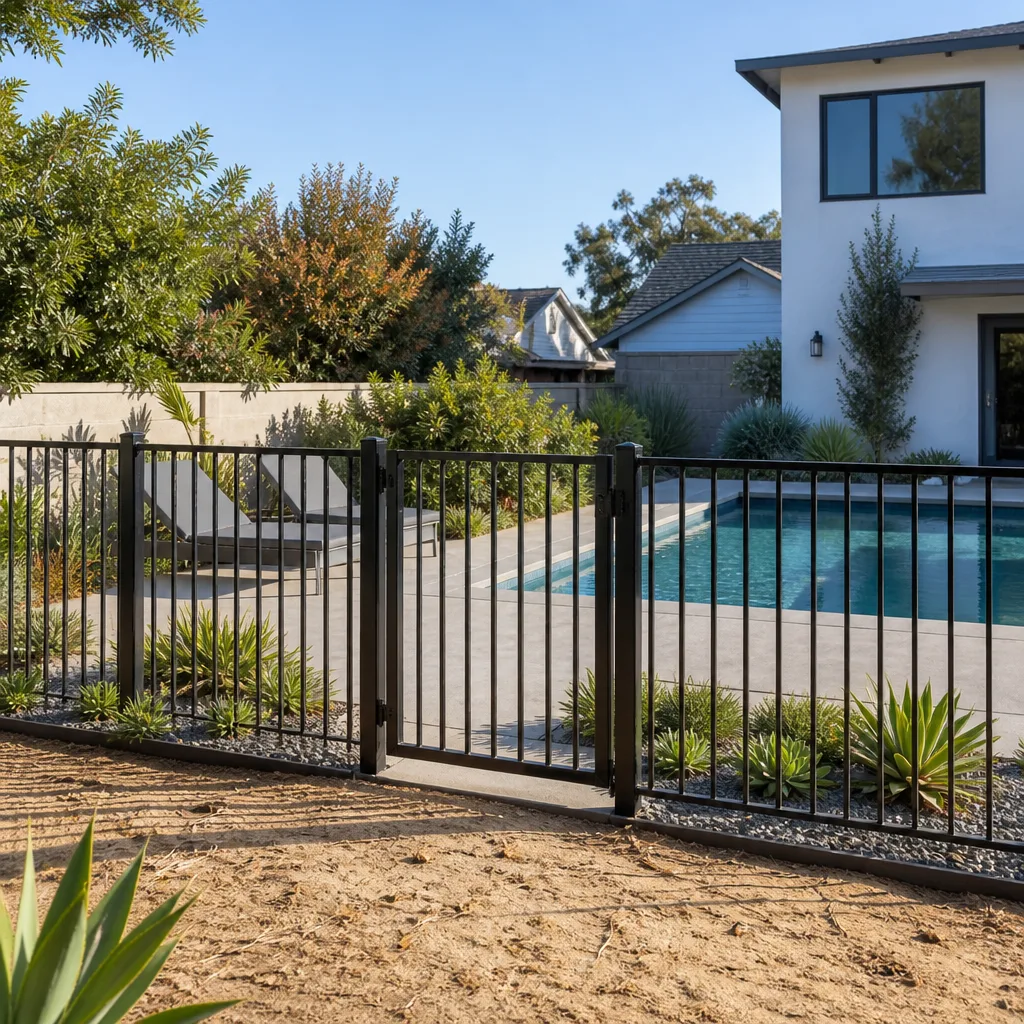
If two items can be combined in one scope, combine them. A roof replacement and a drainage correction on the same project share staging and permits. That’s the advantage of working with one contractor across every trade: Construction Pasadena handles the driveway, fence, roof, additions and interiors as one project relationship rather than five separate vendors, and your documentation stays consistent across all of it. Our fencing scope, for example, uses systems from Master Halco, Barrette and Ameristar, and the property line work is documented in the same file as the rest. Start with fence installation and you’ll see the pattern: every scope gets photographed, every product gets named, and the record stays with you.
Common Mistakes to Avoid
- Treating emergency prep as a kit, not a property. A bag of water and flashlights won’t brace a cripple wall or stop water from ponding at the foundation. The construction decisions are the ones that protect the house itself.
- Upgrading the roof but ignoring the vents. Embers get in through unscreened attic and foundation vents. A Class A roof with open vent screening leaves the attic exposed, so close both at once.
- Skipping the permit on a retrofit or gas valve. Unpermitted work often surfaces during an insurance claim or a resale, and it can affect coverage. Have the permit pulled and inspected.
- Grading without checking discharge. A French drain that dumps water at a property line or next to a neighbor’s foundation just moves the problem. Plan the discharge point before trenching.
- Relying on memory instead of a record. If you can’t name the exact product installed, an adjuster can’t value it correctly. Photograph and record everything.
- Doing seismic or gas work yourself. Gas piping, electrical panels and structural bracing are dangerous and often code-regulated. Use a licensed professional.
- Waiting for an insurance notice to start. Carriers in Pasadena’s WUI zones are asking for documentation now. The upgrades take weeks, and doing them after a non-renewal letter arrives is the expensive way.
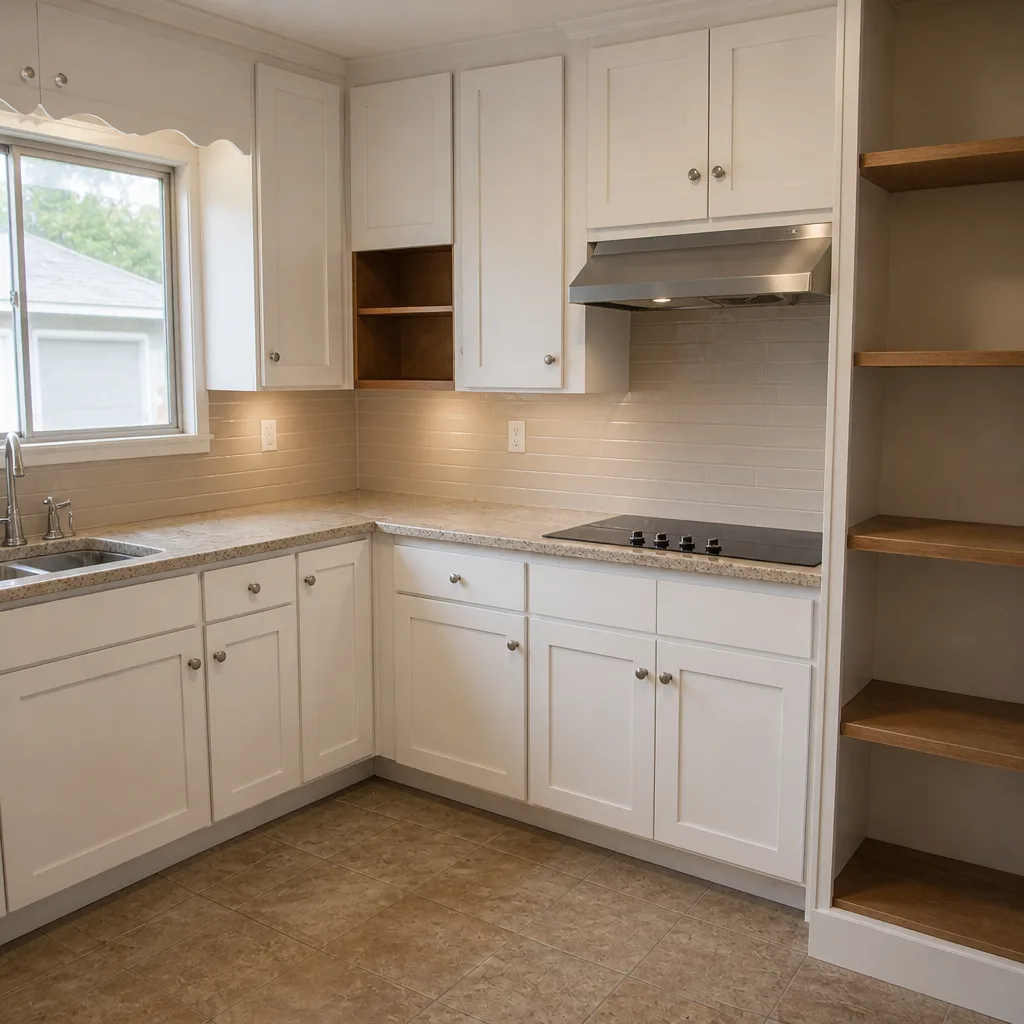
See the difference
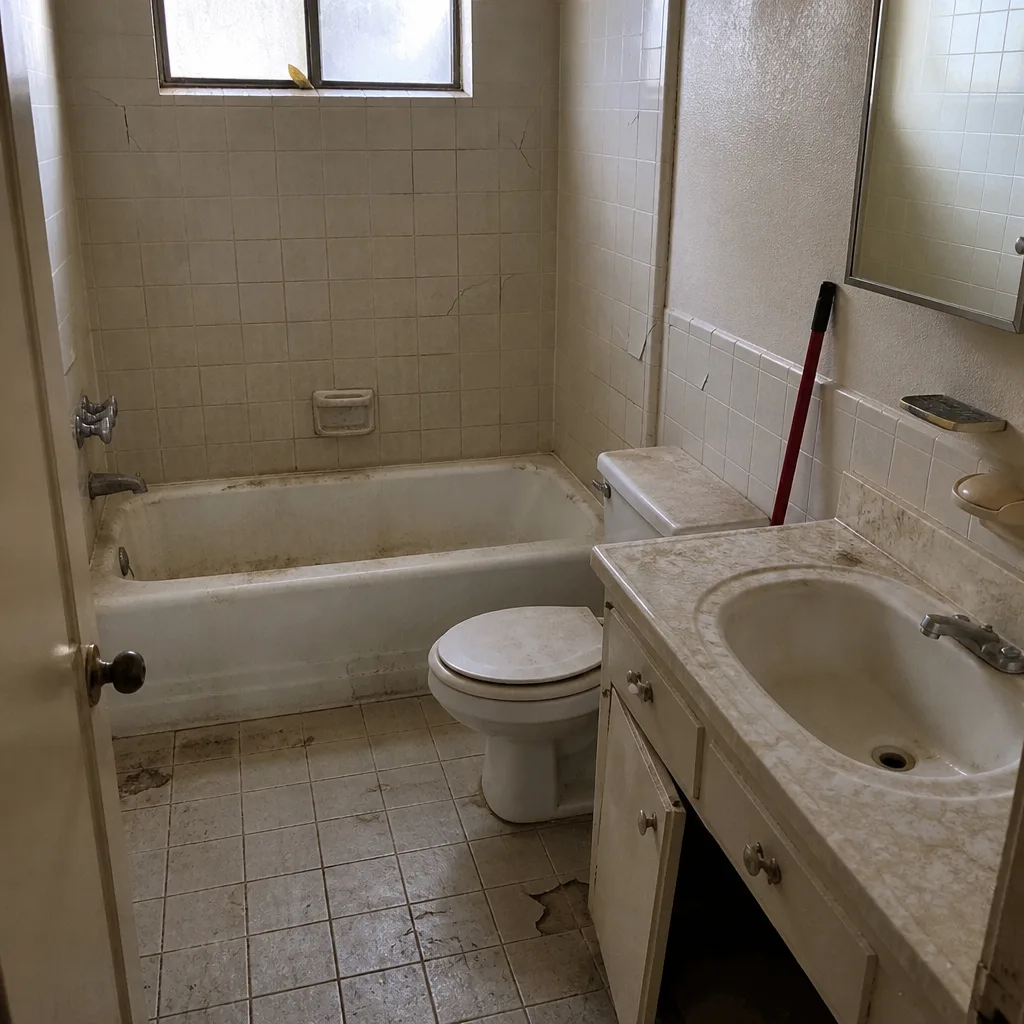 Before
 After
 Before
 After
 Before
 After
When to Call a Professional

Call a professional when the work involves the structure, the utilities or anything a permit governs. That means cripple wall bracing, seismic gas valve installation, gas or electrical shutoff work, chimney assessment and repair, any roofing replacement, and drainage work that changes grade near a lot line. These aren’t DIY categories. The failure mode for getting it wrong is injury, fire or a claim denial, and that’s not a risk worth carrying. Call us sooner if you’ve received an insurance notice asking for roof or siding documentation, if you’re planning a remodel and want the preparedness work folded in, or if you’re in a wildland-urban interface zone and aren’t sure what your exposure is. Construction Pasadena offers free estimates in Pasadena: call (844) 905-4587. We answer 24/7. Fast dispatch from 7am to 7pm, Sunday through Friday. Our technicians have up to 12 years of experience, and every estimate is written line-item, so you see exactly what’s included and what the final price is before work begins.
Frequently Asked Questions
Documentation and utility shutoff labeling, because they cost almost nothing and improve every subsequent claim. Photograph the house, record the exact products, keep permits and inspection records in the cloud, and tag your gas, water and electrical shutoffs. After that, seismic retrofitting for pre-1980 homes is the biggest structural priority. Call (844) 905-4587 for a free walkthrough and estimate.
Yes. Documented, permitted structural upgrades strengthen your position with carriers, and the same is true of wildfire hardening in WUI zones. An adjuster who can see inspection records and photos settles faster than one working from memory. Ask for the documentation with every estimate, and call us for a free assessment if you’re preparing for a renewal.
Cripple wall bracing adds plywood shear panels and framing hardware that tie the floor framing of a raised house to its foundation. In Pasadena area cities, structural bracing of this kind typically requires a permit and inspection. We pull the permits and pass the inspections, and the retrofit scope is written out line by line. Call (844) 905-4587 for a free estimate.
Class A fire-rated roofing assemblies and non-combustible siding are the baseline. GAF Timberline HDZ is a Class A rated shingle system, and CertainTeed and Owens Corning offer Class A rated systems as well. James Hardie lap siding is fiber cement and non-combustible. The rating belongs to the full assembly, not just the panel, so confirm the assembly documentation for your roof before you commit.
Start with a site drainage assessment: ground slope near the foundation, downspout routing, and where water ponds after a storm. Then correct the grade, and add French drains or catch basins where water collects. Regrading is the cheapest fix when the lot allows it. Call (844) 905-4587 for a written drainage estimate; permits are handled on our side.
Yes, and it’s the most efficient way to do both. A single scope that covers the roof, the drainage and the documentation keeps permits and photos in one file and one project record. Construction Pasadena handles the full property from the driveway to the roofline, so the file stays consistent across every trade. Call (844) 905-4587 for a free estimate.
The Bottom Line
Emergency preparedness for a Pasadena home is a construction question before it’s a supplies question. The risks here are specific: seismic shaking in pre-1980 houses, wildfire embers in the WUI zones, and atmospheric river runoff against the foundation. Address them in order. Document the house and label the shutoffs. Strap the water heater and install a seismic gas valve. Fix the drainage. Brace the cripple walls. Harden the roof and siding to Class A and non-combustible standards. Each of those decisions reduces both damage and displacement time, and each one feeds the documentation your insurer will ask for. It’s one decision with two payoffs. Call (844) 905-4587 for a free estimate. We answer 24/7. Fast dispatch from 7am to 7pm, Sunday through Friday.
Written by the team at Construction Pasadena.