Last updated November 17, 2026
Free written scope consultation - allowances, timeline, and change-order rules on paper before a single trade is scheduled
DIY vs Professional Construction: The Pasadena Homeowner’s Decision Guide
Most homeowners frame the DIY-or-hire question around skill and money. That framing misses what actually decides these projects in Pasadena. The controlling variable is usually the permit and inspection requirement, and it narrows the DIY lane far more than most people expect. California does let an owner-builder pull permits for their own primary residence, but Pasadena’s historic preservation rules, the state’s contractor licensing threshold, and lender conditions on ADU projects combine to shrink that lane. Cross the line and the consequence isn’t only a fine; it can mean tearing out completed work.
This guide walks through where DIY is genuinely practical, where it isn’t, and how to compare true costs before you commit.
Quick Answer
In Pasadena, DIY construction is legally practical for cosmetic and landscaping work like painting, planting, and minor carpentry on your own primary residence, but not for structural changes, electrical, plumbing, roofing, or anything inside a historic district that requires design review. The real decision hinge isn’t your skill level; it’s whether the work requires a permit, licensed sign-off, and inspection, because those requirements void product warranties, complicate resale, and in a seismic zone add liability that a homeowner can’t easily absorb.
Styles & brands we work with
- Kitchen remodeling
- Bathroom remodeling
- Home additions & ADU
- Roofing
- Windows & doors
- Driveway & pavers
- Fence
Table of Contents
- The Legal Boundary: What California and Pasadena Actually Allow
- Where DIY Execution Is Practical and Legally Clear
- Where Licensing and Inspection Make Professional Engagement Non-Optional
- What DIY Installation Does to Product Warranties
- The Real Cost Comparison Methodology
- HOA and Historic District Overlays: The Review Layer Most People Miss
- Why Seismic Code and Active Enforcement Change the Math
- ADUs and Prefab: Where the DIY Lane Shuts Completely
- Common Mistakes to Avoid
- When to Call a Professional
The Legal Boundary: What California and Pasadena Actually Allow
California’s owner-builder provision lets you pull permits for construction on a residence you own and occupy yourself. That’s the state baseline. Pasadena’s local ordinances narrow it further, and this is where most homeowners misjudge their latitude. The city’s historic preservation overlay zones add a design review layer on visible exterior changes, and the state contractor licensing law kicks in for work valued over five hundred dollars when a contractor is hired to do it. Those two facts sit on opposite sides of a line that determines whether DIY is even an option.
What the owner-builder permit generally allows, for a home you own and live in:
- Cosmetic repairs and interior finishes that don’t alter structure or systems
- Some non-structural improvements, subject to local review
- Work you perform yourself, not work you hire out under someone else’s license
What it does not do is exempt the work from code compliance. Every permitted job still gets inspected. And if you hire someone to do permitted work over that licensing threshold, the law expects a licensed contractor. The practical effect: the owner-builder route only works if you’re genuinely doing the labor yourself, are prepared to pass inspection, and aren’t in a historic overlay that changes the approval path.
Some work doesn’t require a permit at all, and that’s a separate category from owner-builder permits. Painting, most landscaping, and minor repairs generally fall here. The trap is assuming “no permit” means “no rules.” Historic district review can still apply to visible exterior changes even when no building permit is issued.
Where DIY Execution Is Practical and Legally Clear
The clearest DIY zone in Pasadena is cosmetic work that improves a home without touching structure, systems, or protected exterior character. These are the projects where your own labor saves real money and creates no liability tail. In our experience, this is also where homeowners get the most satisfaction per hour spent.
- Interior painting and drywall patching. No permit, low risk, reversible if you get it wrong. Prep work and paint quality matter more than technique.
- Landscaping and planting. Garden beds, turf replacement, drought-tolerant planting, and mulching. Note that grading and drainage changes that redirect water can trigger review, so keep it shallow.
- Minor carpentry and trim. Shelving, interior trim, and finish work where you’re not cutting into structural members.
- Fixture swaps of like-for-like. Replacing a faucet or a light fixture with an identical connection is generally straightforward, though anything that touches wiring permanently or reroutes plumbing crosses into permit territory.
- Fencing repair on existing posts, though a full new fence line often needs a permit and, in some overlays, design consistency.
Painting the exterior is a good example of where the line gets fuzzy. It’s not a structural change, but in a historic overlay the color and finish can be subject to review. The safe move is to check with the city before you buy paint. That’s the pattern across the safe-DIY list: the work is simple, but the review layer can still surprise you.
Where Licensing and Inspection Make Professional Engagement Non-Optional
Some project categories in Pasadena can’t realistically be done DIY, not because a capable homeowner couldn’t swing a hammer, but because the work requires a licensed sign-off, an inspection, or both, and failing that chain creates problems that outlast the project. Roofing, structural changes, electrical, plumbing, gas lines, and anything touching a home’s seismic system all fall here.
Reasons these categories are professional-only in practice:
- Electrical and plumbing. These trades require licensed work and inspection. Improper work is a genuine safety hazard, ranging from fire risk to water damage and gas leaks.
- Roofing. Roof replacement and structural repairs fall under permit and inspection. A roof system installed to code and to the manufacturer’s spec is what a material warranty depends on.
- Structural and seismic work. In a region with real seismic exposure, foundation, framing, and retrofit work have to meet code, and inspectors check it.
- Windows and doors. Replacement that changes opening size or egress is a structural and permit matter. Energy and impact-rated products also have install specifications tied to their performance ratings.
- Anything in a historic overlay. Design review approval gates the work regardless of who performs it.
The genuine risk with DIY in these categories isn’t just an inspection failure. It’s that unpermitted structural or system work can surface at resale, when a buyer’s inspector or lender flags it, and the fix can require opening walls or full removal. That’s why professional engagement here isn’t about preference; it’s about keeping the paperwork and the physical work aligned.
What DIY Installation Does to Product Warranties
Here’s a point that rarely gets said plainly: the material warranty on a branded product often hinges on who installed it and how. A homeowner can buy the exact same GAF or CertainTeed roofing system a contractor installs, but if the installation deviates from the manufacturer’s specification, the warranty can be limited or voided. The product is the same. The coverage isn’t.
The pattern shows up across trades:
- Roofing systems from GAF, CertainTeed, and Owens Corning carry installation requirements tied to their warranty terms. A properly installed system with the right underlayment and detailing is what the coverage protects.
- Fencing products from brands like Master Halco or Ameristar have installation guidance that affects how the warranty is honored.
- Windows and doors from PGT or Therma-Tru have install specifications connected to their performance ratings. An improper install can compromise both the warranty and the energy or impact performance you paid for.
- Paver systems from Belgard or Unilock are engineered with a base and edge restraint spec. Skipping it shortens the life of the surface, warranty or not.
Before you take on a branded-material install yourself, read the warranty carefully. If it requires a certified or licensed installer, DIY means buying the material but forfeiting the coverage. That changes the true cost of going it alone, and it’s a factor most DIY cost comparisons leave out.
The Real Cost Comparison Methodology
Most DIY-versus-hire math compares material prices to a contractor’s bid, and that comparison is usually wrong in both directions. A fair comparison accounts for everything a professional bid includes and everything DIY quietly costs. Get this part right and the decision often makes itself.
Build the true DIY cost from these lines:
- Materials plus waste. Add 10 to 15 percent for cuts, mistakes, and over-ordering. Contractors buy more efficiently and know the waste factor for each trade.
- Tool rental and purchase. Tile saw, compactor, demolition hammer, scaffold: the numbers add up fast on a project that spans more than a day or two. Some tools you’ll buy, some rent, none come free.
- Your time, priced honestly. Your weekends have a value. If the job stretches across weeks, the time cost is real even when the labor is unpaid.
- Permit and inspection exposure. If a failed inspection means rework, that cost lands on you. In a seismic zone with active code enforcement, the odds of a rework are higher than elsewhere.
- Warranty risk. A voided product warranty is a real cost. So is unpermitted work surfacing at resale.
- The learning curve. Every first-time trade has a first-time cost in materials and time.
A professional bid bundles all of that, plus licensed labor, permits, and inspection coordination. On a paint job, the DIY savings are clear. On a roof or a bathroom, the bundled bid often comes out close to or below the true DIY cost once rework, warranty risk, and time are counted. Price the whole thing, not just the lumber.
HOA and Historic District Overlays: The Review Layer Most People Miss
Pasadena has historic preservation overlay zones, and if your home sits in one, design review approval gates visible exterior changes regardless of who does the work. That’s the piece that trips up DIY-ers who checked the permit box and called it done. The building permit and the design review are two separate approvals, and both can apply to the same project.
What this means in practice:
- Visible exterior changes like windows, doors, roofing material, fences, and additions can require review to match the district’s character.
- Material and color choices can be constrained, so the paver or siding you picked may not clear review as-is.
- Approval timelines affect scheduling, and a denied application costs time whether you’re DIY or hiring.
This is where a licensed contractor navigates more efficiently. A contractor who does this work regularly knows how to prepare a submittal that matches what the review body expects, and knows which material choices from the approved bench will pass. That doesn’t make DIY impossible in an overlay, but it does mean the review layer is a real hurdle. If you’re in one of Pasadena’s historic neighborhoods, confirm the overlay status before you pick products, not after.
Why Seismic Code and Active Enforcement Change the Math
Pasadena sits in a region with genuine seismic exposure, and that changes the calculus on structural work. Foundation, framing, and retrofit categories have to meet code, and inspectors check them against it. Skipping the inspection chain on structural work isn’t a paperwork shortcut; it’s a safety question and a resale liability.
Active code enforcement tightens this further. Permitted work gets inspected, and unpermitted work can be identified during a sale, an insurance review, or a city sweep. When that happens, the remedy can be as simple as a fine or as serious as opening up completed work to bring it to code. In a historic overlay, removals can also trigger review on the replacement.
The takeaway for homeowners: structural and system work is where the owner-builder lane is narrowest. The physical execution might be within reach for a skilled person, but the code compliance, inspection, and liability chain around it is not something a homeowner can absorb. This is the category where the professional route pays for itself, and where we’d steer any homeowner toward a licensed contractor and a written, itemized bid.
ADUs and Prefab: Where the DIY Lane Shuts Completely
ADU projects are the clearest case where the DIY lane closes entirely, and it’s not mainly a construction question. It’s a financing and compliance one. Lenders that fund ADU construction typically require a licensed contractor, and prefab manufacturers work through approved installers. The owner-builder route that might work for a fence doesn’t extend to a financed ADU build.
This is also where our home additions & ADU work spans two paths. On the prefab side, we work with partners like Dvele, Mighty Buildings, Boxabl, and Plant Prefab, each with its own site requirements and install process. On the traditional side, it’s a standard build with permits, inspections, and design review where it applies. Either way, the project runs through licensed professionals, and that’s a feature, not a limitation: the compliance chain is what makes the ADU financeable and insurable.
If you’re weighing an ADU, the decision isn’t DIY versus hire; it’s prefab versus stick-built, and which fits your lot, timeline, and budget. Our technicians have up to 12 years of experience across build methods, and we can walk you through both paths on a free estimate.
Common Mistakes to Avoid
- Assuming no permit means no rules. In a Pasadena historic overlay, visible exterior changes can require design review even when no building permit applies. Check the overlay before you buy materials.
- Buying branded products without reading the warranty terms. GAF, CertainTeed, and Owens Corning roofing systems depend on installation spec for coverage. DIY install can forfeit it.
- Comparing material cost to a contractor’s bid. That math leaves out tools, waste, time, permit exposure, and warranty risk. Price the whole project, not just the parts.
- Taking on structural or system work under an owner-builder permit. Seismic code, inspection, and liability make this category professional-only in practice. A failed inspection means rework on your dime.
- Forgetting the design review timeline. Even permitted work can stall waiting on overlay approval. Build that into your schedule.
- Assuming an ADU can be self-built on a financed project. Lenders and prefab partners require licensed work. Confirm the compliance chain before you plan the build.
- Starting a multi-trade project one trade at a time. Juggling separate vendors for roofing, windows, and a kitchen adds coordination overhead and finger-pointing when something goes wrong. One contractor across every trade keeps accountability in one place.
When to Call a Professional
Call a professional when the work requires a permit you can’t realistically pull and pass as an owner-builder, when it touches structure, electrical, plumbing, gas, roofing, or seismic systems, or when your home is in a historic overlay and design review applies. Call when the material warranty depends on installer certification, when the project is financed, or when you’re running more than one trade at once and want a single point of accountability. From the driveway to the roofline, we handle seven service lines under one project relationship, with brands you can look up before you commit. Construction Pasadena offers free estimates in Pasadena. Call (844) 905-4587. We answer 24/7. Fast dispatch from 7am to 7pm, Sunday through Friday.
See the difference
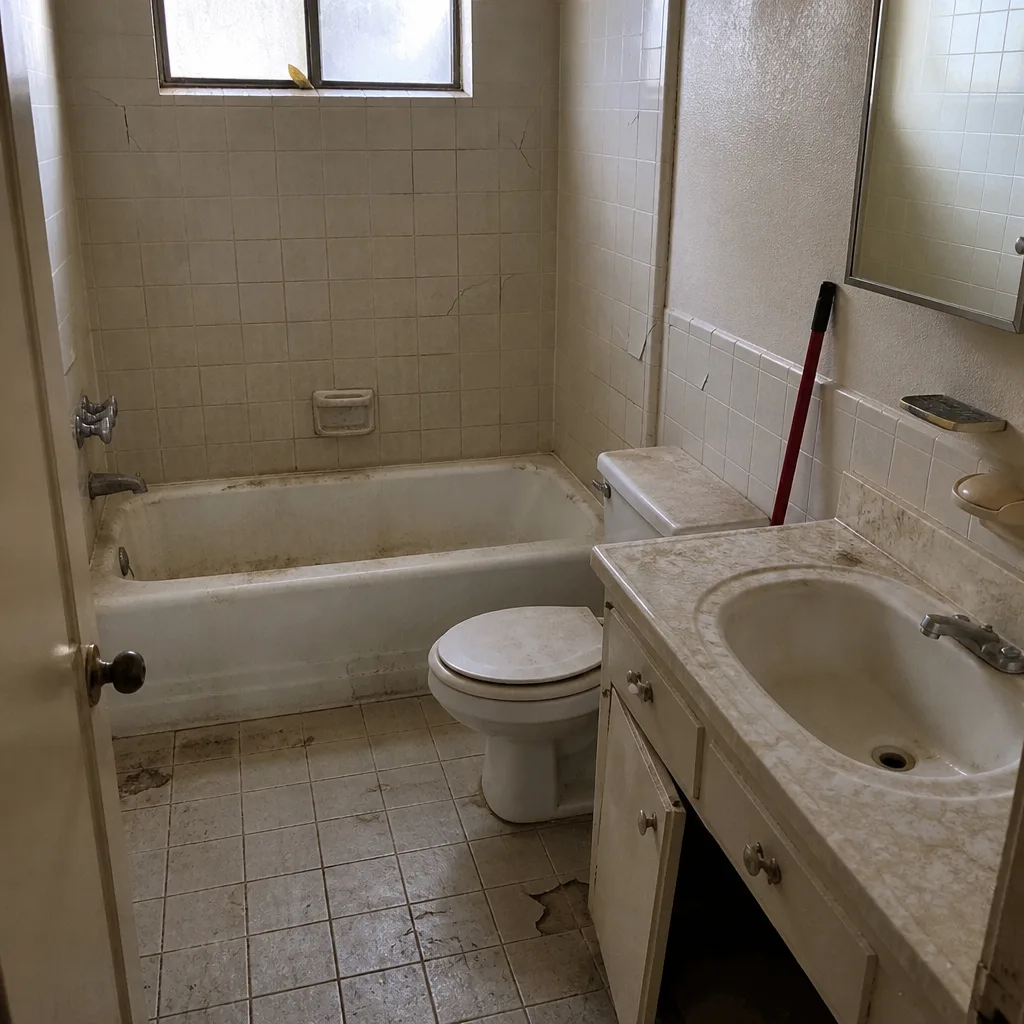 Before
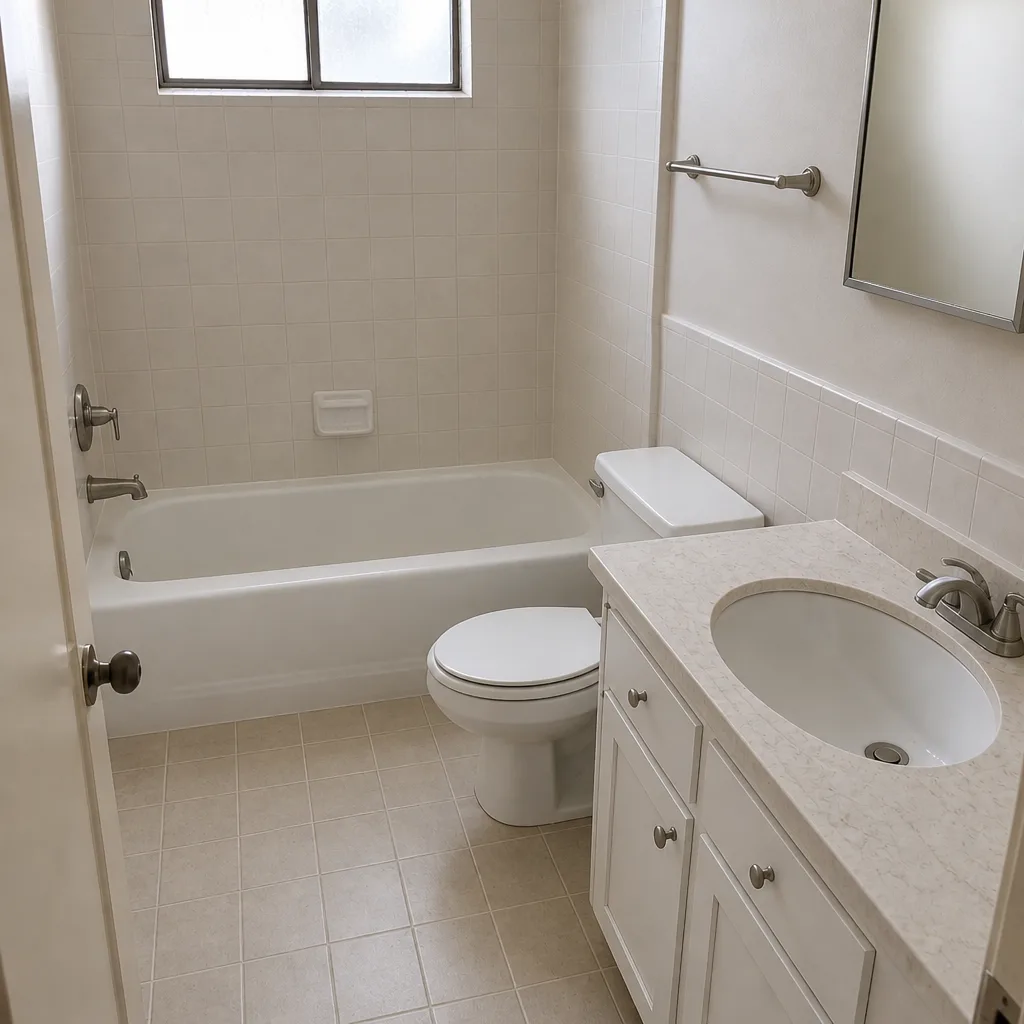 After
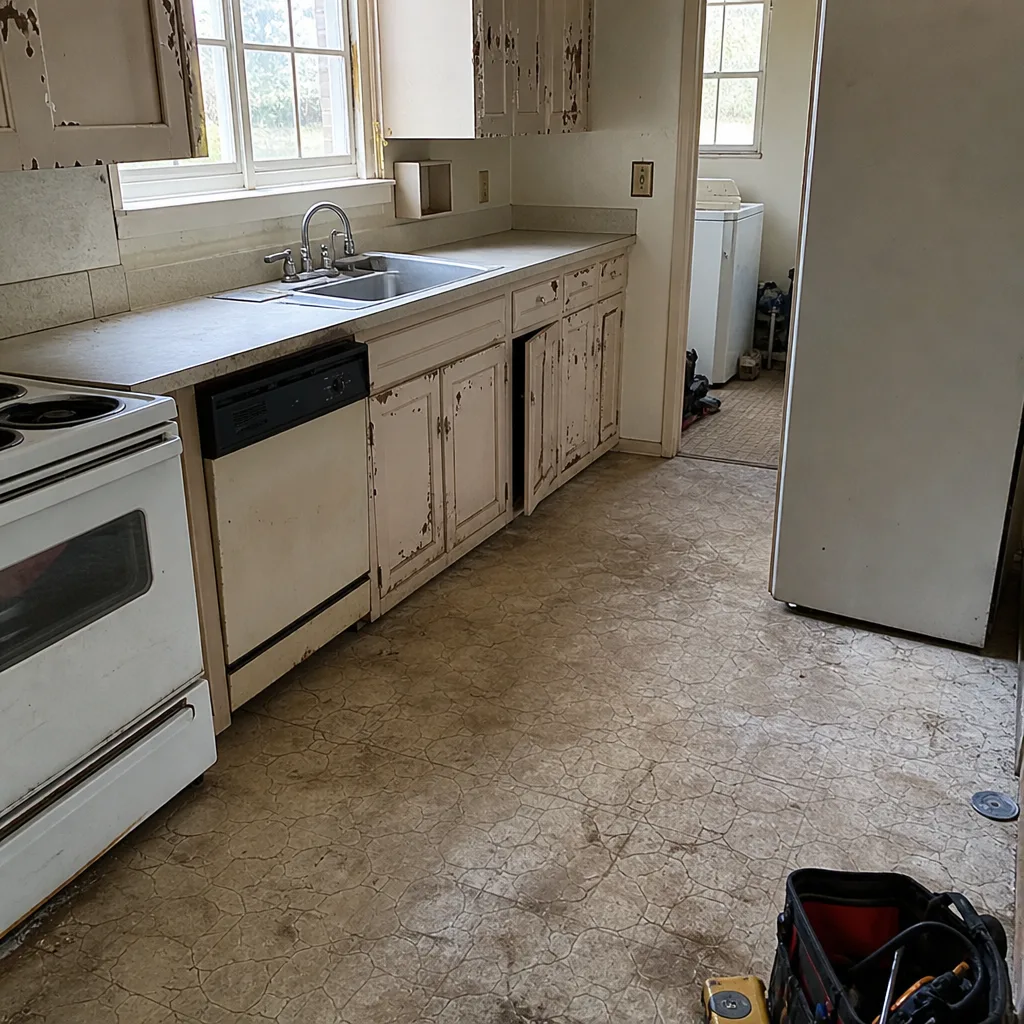 Before
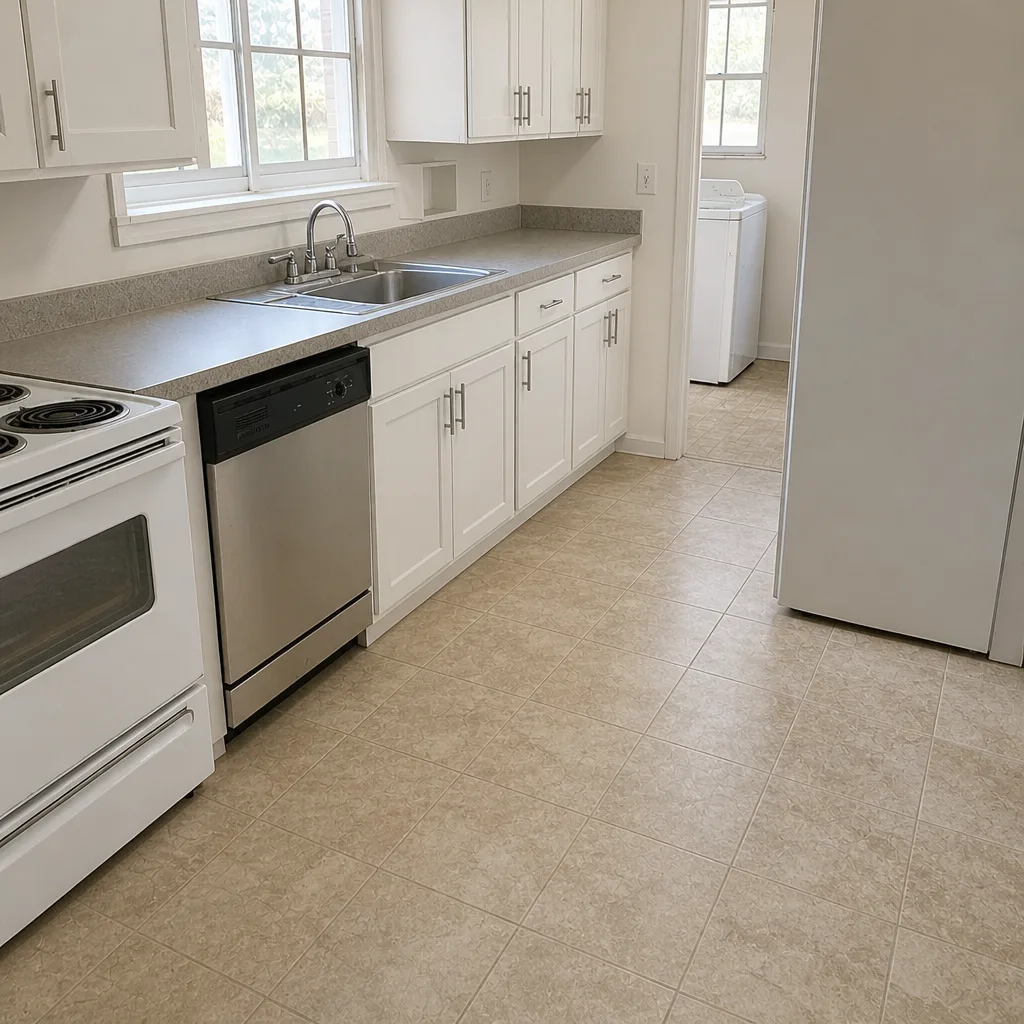 After
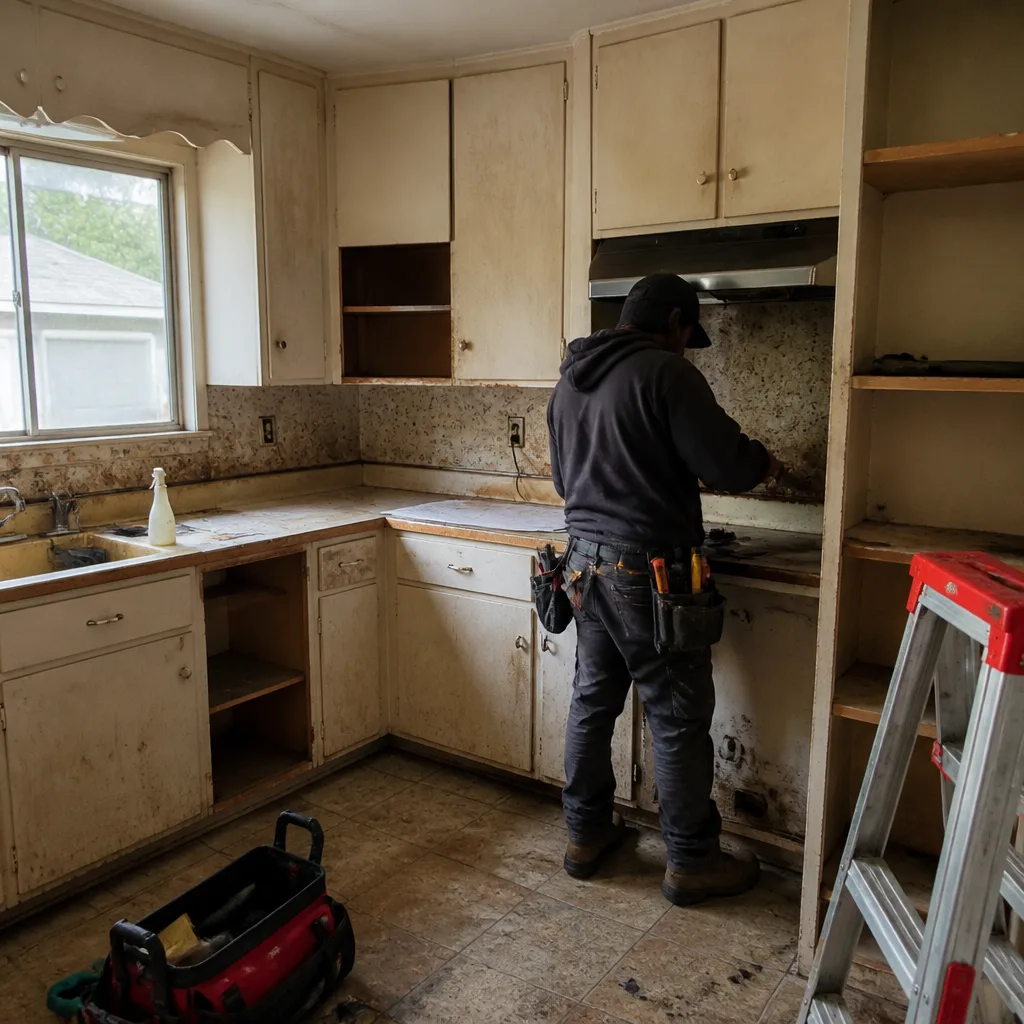 Before
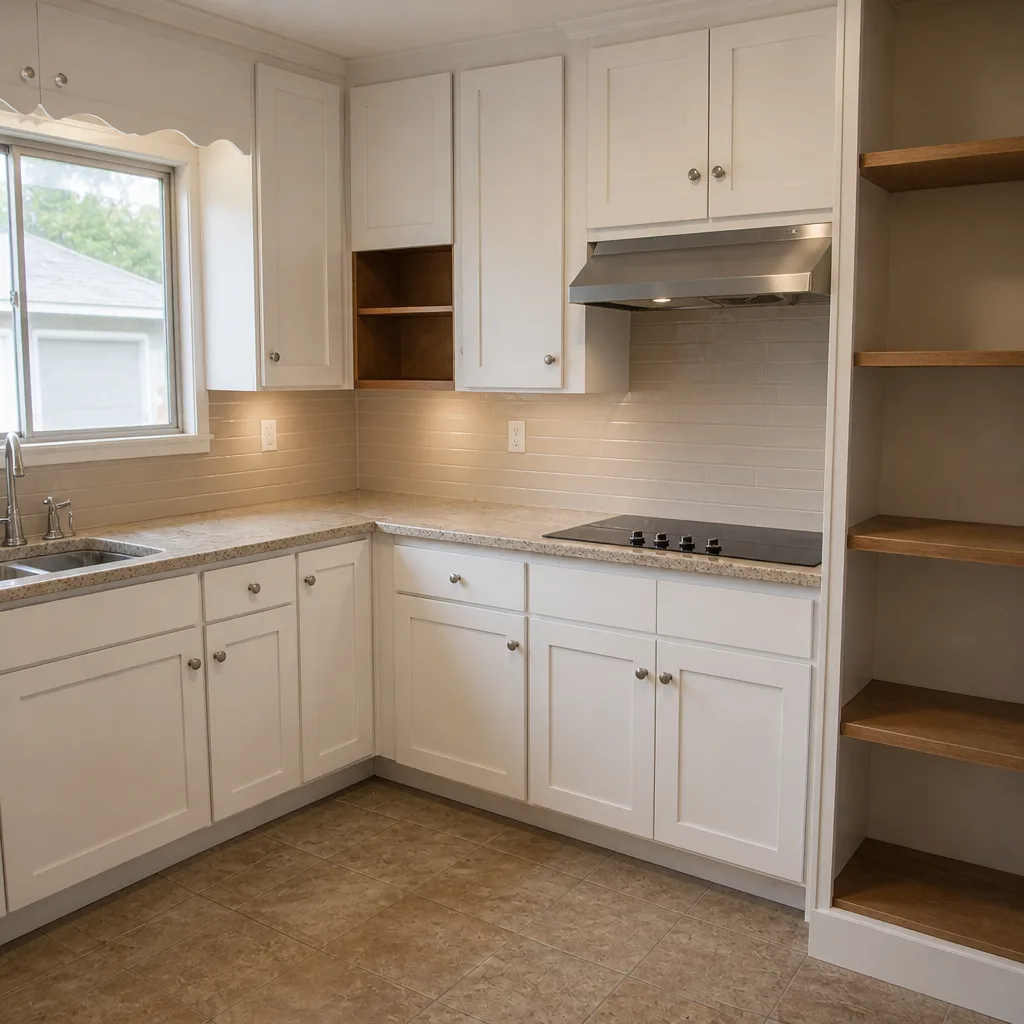 After
Frequently Asked Questions
Yes, in narrow cases. California’s owner-builder provision lets you pull permits for construction on a home you own and occupy yourself, and Pasadena’s local rules narrow that further with historic overlay design review. Cosmetic and landscaping work is generally clear; structural, electrical, plumbing, roofing, and historic-district exterior work are not. Call (844) 905-4587 for a free estimate if you’re unsure where your project falls.
It can. Many branded products, from GAF and CertainTeed roofing systems to PGT windows and Belgard pavers, carry installation specifications tied to their warranty terms. If the install deviates from spec or requires a certified installer, the coverage can be limited or voided. Read the warranty before you buy the material.
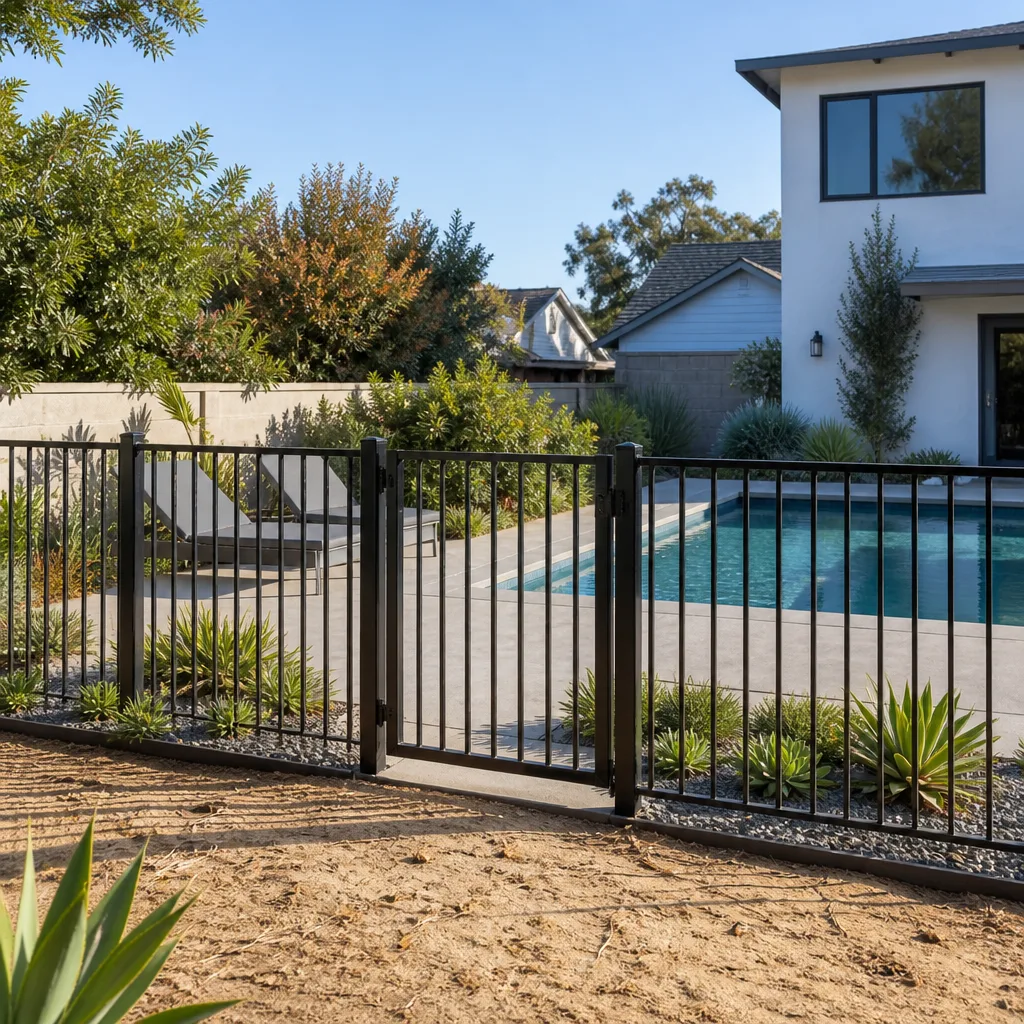
Often yes, and in a historic overlay the fence design may require review as well. Fence height, placement, and material can all fall under local rules. Check with the city’s building department before you order materials, and call (844) 905-4587 for a free estimate on installation.
It can. Unpermitted structural or system work often surfaces during a buyer’s inspection or a lender’s review, and the fix can require opening walls or removal to bring it to code. In a historic overlay, a replacement can also trigger review. Keeping permitted work and inspected work in alignment protects your resale.
Price the whole project, not just materials. Add waste, tool rental, your time, permit and inspection exposure, warranty risk, and the learning curve. A contractor’s bid bundles licensed labor, permits, and inspection coordination, so on complex projects the true DIY cost often comes out close to the bid once rework risk is counted.
Realistically, no, on a financed project. Lenders typically require licensed contractor work, and prefab manufacturers like Dvele, Mighty Buildings, Boxabl, and Plant Prefab work through approved installers. The ADU decision is really prefab versus stick-built, and both paths run through licensed professionals. Call (844) 905-4587 for a free estimate on either route.
When you’re ready to price a project, we’re here. We answer 24/7. Fast dispatch from 7am to 7pm, Sunday through Friday.
The Bottom Line
The DIY-versus-hire decision in Pasadena turns on the permit and inspection requirement more than on skill. Cosmetic and landscaping work on your own primary residence is a fair DIY lane. Structural, electrical, plumbing, roofing, seismic, and historic-overlay exterior work is not, because licensing, inspection, warranty terms, and resale liability all stack against it. Compare true costs, not just materials versus a bid. And when a project crosses into the professional lane, one contractor across every trade keeps accountability in one place. Construction Pasadena works across seven service lines, from driveway & pavers and fence installation to roofing, windows, kitchens, and baths, backed by Construction Pasadena‘s full-scope residential approach. To price your project, call (844) 905-4587 for a free written estimate.
Written by the team at Construction Pasadena.