Last updated November 17, 2026

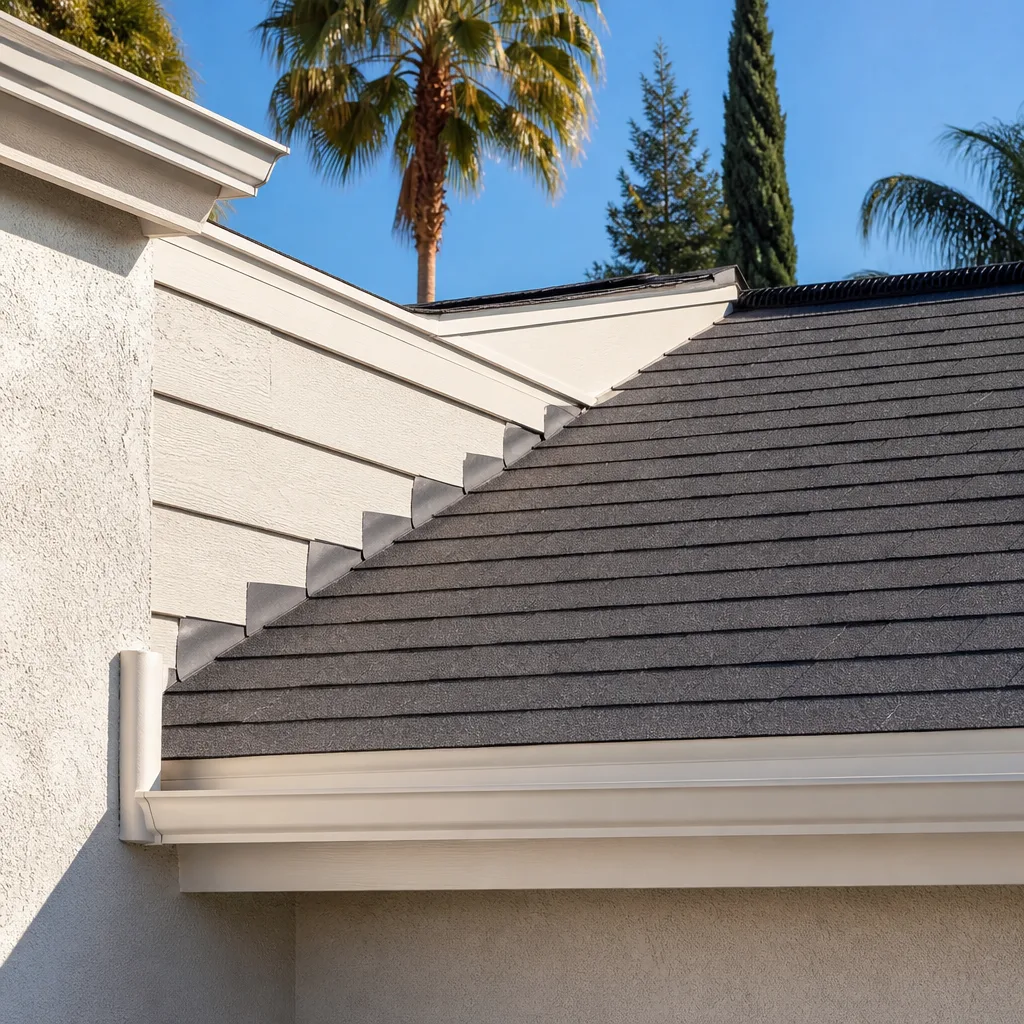
Free written scope consultation - allowances, timeline, and change-order rules on paper before a single trade is scheduled
How to Hire a Construction Contractor in Pasadena: A Step-by-Step Guide
Most hiring guides tell you to verify the license, read the reviews, and collect three bids. That checklist is fine as far as it goes, but it treats a Pasadena project like it could be happening anywhere in California. It can’t. The City of Pasadena runs its own building department, its own plan check process, and its own inspection sequence, and a contractor who has never navigated that process will discover the city’s requirements halfway through your remodel. The discovery shows up as a change order. This guide adds the local layer the standard checklist leaves out: how to read a contractor’s actual permitting history in Pasadena, what a real scope document contains, and which contract clauses protect you when the job gets complicated.
Quick Answer
To hire a construction contractor in Pasadena, verify three things in order: an active CSLB license (a basic requirement, not a differentiator), a documented history of pulling and closing permits with the City of Pasadena’s Building and Safety division, and a written bid that lists materials by brand, quantities, and exclusions. Then compare bids line by line, not by the bottom-line price, and confirm the contract names who pulls permits and who pays for changes.
Styles & brands we work with
- Kitchen remodeling
- Bathroom remodeling
- Home additions & ADU
- Roofing
- Windows & doors
- Driveway & pavers
- Fence
Table of Contents
- Step 1: Understand Why a License Alone Proves Nothing
- Step 2: Check Pasadena Permit History Directly With the City
- Step 3: Demand a Scope-Complete Bid, Not an Estimate
- Step 4: Normalize Three Bids Before Comparing Price
- Step 5: Screen for Pasadena-Specific Knowledge (HPOZ and Beyond)
- Step 6: Negotiate the Contract Clauses That Actually Matter
- Step 7: Ask Which Brands, Exactly, Go Into Your Home
- Step 8: Decide Whether One Contractor or Seven Serves You Better
Step 1: Understand Why a License Alone Proves Nothing
A California contractor’s license is the floor, not the ceiling. There are well over 290,000 licensed contractors in the state, which means the CSLB lookup tells you a contractor exists and has met the state’s minimum requirements. It does not tell you whether they can run a project in Pasadena. That gap catches homeowners every year.
Licensing questions to settle at the CSLB level, before anything else:
- Is the license active right now, not expired or suspended?
- Does the classification match your work? A general building contractor (B) is the right class for a multi-trade project. A specialty class covers a single trade only, which is fine for a fence but wrong for a full addition.
- Does the license carry workers’ compensation insurance on file? If not, and they have employees, you carry the liability exposure.
- Is the business name on the bid identical to the name on the license? Mismatches are a common red flag.
What the license does not tell you is whether the contractor knows the City of Pasadena’s plan check staff, how the city sequences inspections, or how far out the building department is booking. Those answers live somewhere else entirely, and that is what Step 2 covers.
Step 2: Check Pasadena Permit History Directly With the City
This is the single most useful step in this guide, and almost nobody does it. Ask the contractor for their permit history with the City of Pasadena Building and Safety division over the last 24 months, then verify it through the city’s online permit portal. You are looking for permits that were pulled and finaled, not just opened. An open, un-inspected permit from two years ago tells you something. A string of finaled permits tells you a lot more.
What “good permit history” looks like on the portal:
- Recent activity. Permits pulled within the last two years, ideally within the last twelve months.
- Completed inspections. Permits that show final inspection passed, not just issued.
- Project type match. If you’re hiring for a kitchen remodel or a home addition, look for permits for similar work, not just fences and driveways.
- No pattern of revisions. A single revision cycle is normal. Five revisions on one project suggests trouble with plan check, and plan check trouble is your trouble.
The reason this matters is structural. Pasadena’s building department process, plan review turnaround, and inspection scheduling are run by the city, not the county. A contractor whose recent experience is all in unincorporated Los Angeles County or a neighboring city is starting fresh here, learning the city’s forms and staff from scratch on your project. That learning curve has a cost, and the cost lands on your change order.
In our experience, the contractors who finalize permits cleanly in Pasadena are usually the ones who pull several per year and know the department’s habits. That familiarity is worth more than a slick brochure.
Step 3: Demand a Scope-Complete Bid, Not an Estimate
A one-page estimate that says “kitchen remodel – $47,000” is not a bid. It’s a number. A scope-complete bid is a document you can hold against the finished work and check off line by line. If a contractor can’t produce one, that’s the answer to your question about whether to hire them.
Every bid on a Pasadena project should contain these line items before you sign anything:
- Demolition scope – exactly what comes out, and what happens to the debris. Haul-away and dumpster costs should be itemized, not hidden in “miscellaneous.”
- Materials by brand and model – not “quartz countertops,” but Cambria or Silestone with the specific colorway. Not “custom cabinets,” but KraftMaid or Wellborn with the door style and finish. If the brand is missing, the bid is open-ended.
- Quantities – square footage of flooring, linear feet of fence, number of windows, cubic yards of concrete. Quantities are what allow you to compare bids honestly.
- Labor breakdown by trade – what the electrician does, what the plumber does, what the finish carpenters do. This is where you find out whether the contractor runs trades in-house or subs every one of them out independently.
- Permit fees and who pays them – building permits, plan check fees, and any HPOZ-related review fees should appear as a line item, not folded into “permits included.”
- Exclusions – a bid that lists nothing as excluded is either inexperienced or dishonest. Soil conditions, asbestos in older Pasadena homes, and structural surprises are common exclusions. You want to see them named.
- Allowances – if the bid contains a $2,000 allowance for tile, note it. Allowances are where budgets slip. Ask what happens when you exceed one.
- Payment schedule – tied to milestones, not calendar dates. California limits the front-loaded deposit a contractor can collect; a schedule that asks for a large sum before any work is a problem.
Hold the bid alongside the contract and confirm they match. If the bid says Cambria and the contract says “premium quartz,” you’ve been switched.
Step 4: Normalize Three Bids Before Comparing Price
Three bids on a full-scope project usually produce three incomparable documents. One contractor includes permits, one doesn’t. One specifies brands, one lists “builder-grade.” One includes demolition and haul-away, one prices it as an add-on. Comparing the bottom-line totals at that point is meaningless, and it’s how homeowners end up picking the bid that looks lowest because it covers the least.
Here’s how to normalize them, step by step:
- Build a comparison sheet with rows for every line item that appears in any bid. Use the columns for the three contractors.
- Fill in what’s missing by asking each contractor directly: “Your bid doesn’t list haul-away. Is it included?” Document the answer in writing.
- Standardize the materials row. If one bid names KraftMaid and another says “semi-custom cabinets,” ask the second contractor for the brand and model. If they can’t name it, they don’t have it.
- Align the exclusions. If Contractor A excludes asbestos testing and Contractor B doesn’t mention it, ask B whether they assume older Pasadena homes are clear. They don’t know that.
- Compare apples to apples on permits. Confirm every bid includes Pasadena building permits and plan review as a line item.
- Only then compare price. A bid that was 15% higher before normalization is often the same price, or lower, once the gaps fill in.
Once the bids are normalized, look at what changed. The contractor whose adjusted bid still comes in highest is worth asking one question: what are they doing that the others aren’t? Sometimes the answer justifies the number. Sometimes it doesn’t.
Step 5: Screen for Pasadena-Specific Knowledge (HPOZ and Beyond)
Pasadena has some of the strictest historic preservation rules in Southern California, and the HPOZ (Historic Preservation Overlay Zone) districts cover a significant portion of the city’s residential neighborhoods. What those rules require for your specific property depends on the district and the scope of work, so the relevant test isn’t whether a contractor can recite chapter and verse. It’s whether they know the HPOZ question exists and can tell you how they’d find out.
Ask this directly: “How do HPOZ requirements affect a project like mine, and what’s your process for getting review?” A contractor who knows Pasadena will tell you which districts your property is near, whether your project triggers review, and who reviews it. A contractor who doesn’t will say something vague about “as long as we’re within code.” That answer is not good enough, because HPOZ review is a separate process from building permit review.
Other Pasadena-specific filters worth applying:
- Older housing stock. Much of Pasadena’s housing was built between the 1920s and 1950s. A contractor who doesn’t ask whether the home has been tested for materials that were common in that era is planning to discover them during demolition, at your expense.
- Seismic considerations. California seismic code applies here as everywhere in the state, and a contractor who can’t explain how they handle structural upgrades in older homes is under-informed.
- Hillside properties. Homes in parts of the city sit on sloped lots, which changes foundation, grading, and drainage planning.
- Neighborhood awareness. Notice when a contractor references neighborhoods they’ve worked in – Bungalow Heaven, Caltech-adjacent streets, the North Lake Avenue area, South Pasadena border properties. That’s a real signal of local experience.
A contractor who has to research what an HPOZ is before bidding is a contractor who will be learning on your dime.
Step 6: Negotiate the Contract Clauses That Actually Matter
Most of a construction contract is boilerplate. Three clauses are not, and they are the ones that determine whether your project stays on budget. Read them, negotiate them, and don’t sign until they’re specific.
Permit responsibility
The contract should state in plain language that the contractor is responsible for pulling permits and scheduling inspections. Not “permits by owner,” not “permits to be obtained, responsibility to be determined.” If the owner pulls the permit, the owner also carries liability for code violations and for any work done outside the permit. That’s a burden most homeowners don’t want. Confirm the contract names the contractor as the permit applicant, or at minimum names it as the responsible party for the official record.
Change order authorization thresholds
Change orders are where budgets crack. The contract should specify that no change order takes effect without your written signature, and it should set a threshold – say, any change above a specific dollar amount requires a signed change order before the work proceeds. A contract that allows “verbal changes” or “changes under $X handled during the job” is a contract that lets the price move without you.
Inspection hold points
Pasadena inspections happen in sequence. Foundation, framing, rough electrical and plumbing, insulation, and final all trigger inspections at specific points. The contract should name those hold points and confirm that no work proceeds past a hold point until the inspection has passed. This is a protection for you and for the contractor – an inspection that fails is cheaper to fix before drywall goes up. A contractor who sequences inspections well is a contractor who has done this before.
Two other clauses worth writing in: a specific process for handling unforeseen conditions (what happens if demolition reveals something), and a completion definition. “Substantially complete” is a phrase that should be defined.
Step 7: Ask Which Brands, Exactly, Go Into Your Home
This is the single most overlooked screening question in contractor vetting, and it’s the one that separates a serious contractor from a broker of labor. Homeowners who research their kitchen cabinets or their countertop before signing are rarely the ones who get surprised later. Contractors who can’t name brands are usually contractors who buy whatever the sub brings.
The specific question: “For this project, name the brand and product line for every major material.” A good answer sounds like this:
- Cabinets: KraftMaid or Wellborn, with the door style and finish called out.
- Countertops: Cambria or Silestone, with the specific colorway named.
- Plumbing fixtures: a named line from a brand like Kohler, Grohe, or Toto.
- Roofing: a named system from GAF, CertainTeed, or Owens Corning, with the specific shingle line.
- Hardscape: a named paver from Belgard, Unilock, Tremron, Techo-Bloc, Cambridge Pavers, or Oldcastle.
- Fencing: a named system from Master Halco, Barrette, Ameristar, Jerith, Bufftech, or ActiveYards.
- Windows and doors: a named manufacturer with the specific product line.
If a contractor can’t produce names, that’s not a communication gap. It means materials were never specified, and unspecified materials get substituted. Every line item in your bid should be researchable on the manufacturer’s own website before you sign – that’s the standard.
For an ADU or home addition, we maintain relationships with prefab and modular partners including Abodu, Dvele, Mighty Buildings, Boxabl, and Plant Prefab, plus the traditional construction path. Naming the build method early matters just as much as naming the brands.
Step 8: Decide Whether One Contractor or Seven Serves You Better
Most homeowners hire a contractor for one trade, finish it, then hire the next contractor for the next trade, and repeat. That sequence works for a single fence or a standalone roof. It breaks down when your project touches multiple trades at once – a kitchen that needs plumbing, electrical, cabinets, countertops, and new flooring, or a home addition that touches the roof, the exterior, the foundation, and the interior finishes.
The coordination overhead is where the schedule dies. Electrician waits on the plumber. Cabinet installer waits on the drywall. Plumber comes back because the tile setter needed the fixtures moved. Every one of those waits is a week you’re living in a construction zone.
When a single contractor is the right call:
- Your project touches three or more trades.
- The trades have to sequence together on a shared schedule.
- You want one point of accountability when something goes wrong – and something always does.
- You want the material selections made once, as one system, rather than trade by trade.
When separate trades are fine:
- The project is genuinely one scope – a fence, a driveway, a standalone roof replacement.
- You already have a trusted contractor for the additional work.
For homeowners running a multi-trade project, one contractor across every trade usually beats a book of separate relationships. That’s part of why we built our own practice this way – a single project relationship from the driveway to the roofline, with material selections consolidated. You’ll see how that plays out on our Construction Pasadena page, and it’s especially relevant when you’re combining hardscape with a larger project through driveway & pavers, or when a new fence installation needs to align with the rest of the site work. Prefab and traditional pathways for an home additions & ADU are a good example of where consolidated project management pays for itself.
A note on scope language in the contract: whether you hire one contractor or seven, the contract should define what “complete” means for that scope. A fence is complete when it stands and gates swing. A kitchen is complete when permits are finaled, punch list is closed, and final payment is released. Those are not the same definition, and the contract should reflect that.
Common Mistakes to Avoid
- Comparing bottom-line prices without normalizing the bids. The lowest bid is usually lowest because it covers the least. Normalize before you compare, or you’re comparing fiction to fiction.
- Skipping the Pasadena permit check. The CSLB lookup is a start, not a finish. A contractor with active LA County experience but no recent Pasadena permits is starting fresh on your job.
- Accepting “brands TBD” in the bid. A bid that doesn’t name materials is a bid that allows substitutions later. Insist on KraftMaid, Cambria, or whatever the actual brand is, in writing.
- Assuming HPOZ won’t apply because the project is “small.” HPOZ review can trigger on exterior changes that look minor. A contractor who hasn’t asked the question can’t tell you whether it applies.
- Signing a contract with no change order threshold. Without a written threshold, the price can move during the job. Require signed change orders before work proceeds, in writing, for anything above your threshold.
- Hiring a contractor who subs out every trade independently. That’s not a contractor, it’s a referral service. You end up coordinating the trades yourself.
- Letting the payment schedule lead the calendar rather than the work. Milestone-based payments protect you. Calendar-based payments don’t.
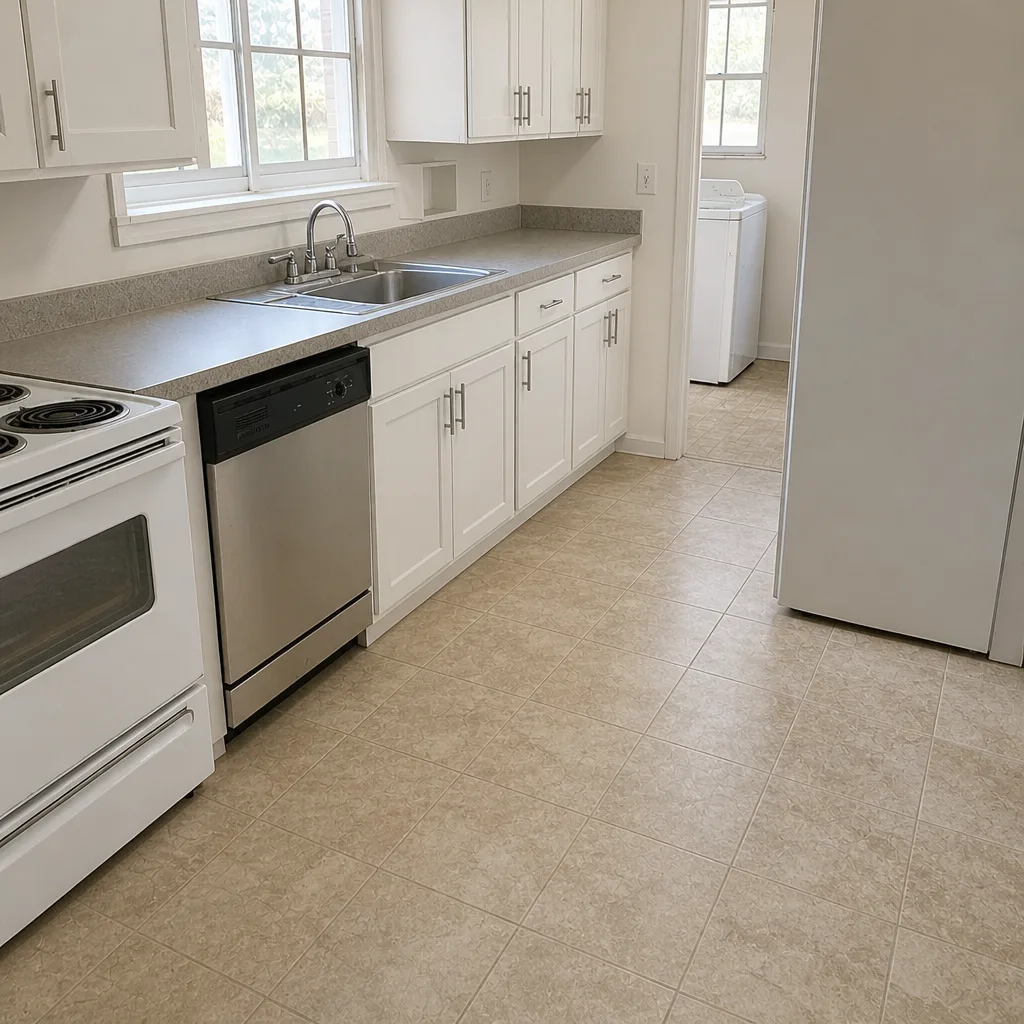
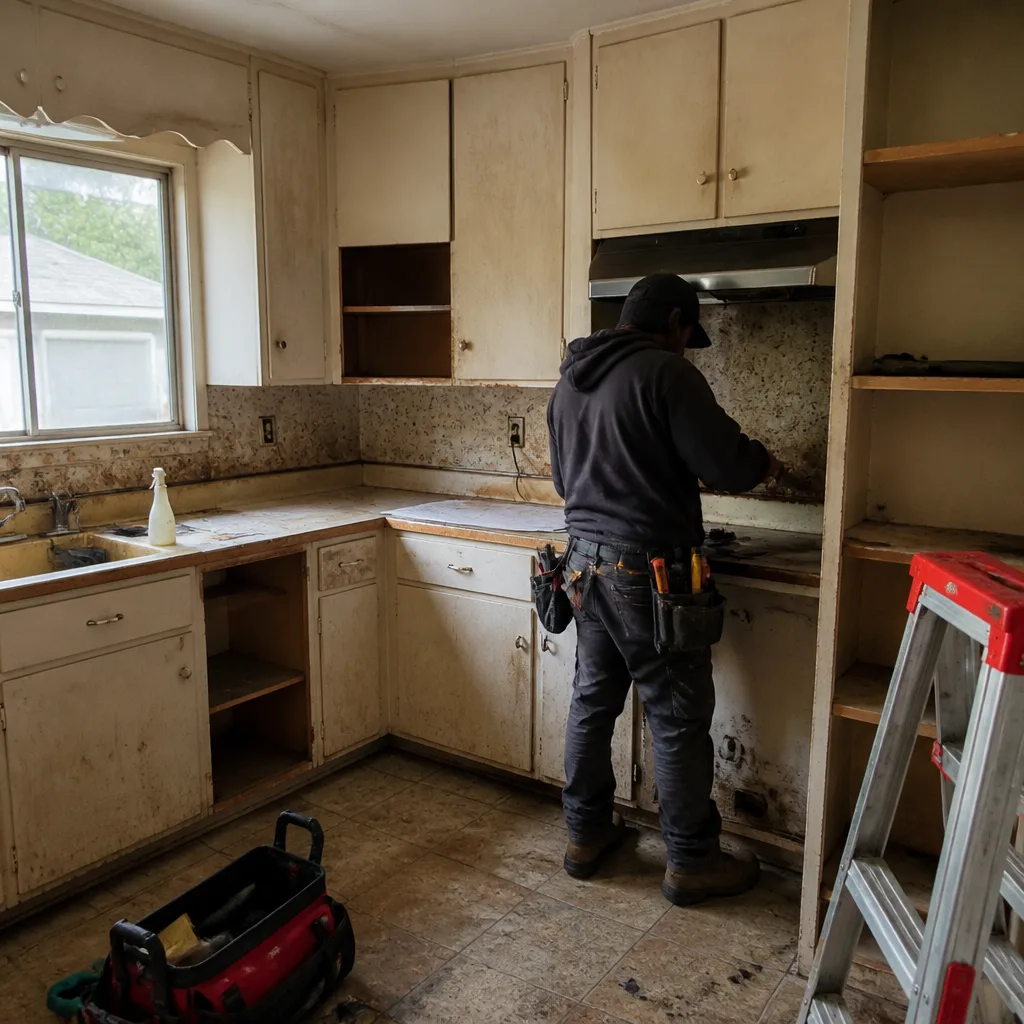
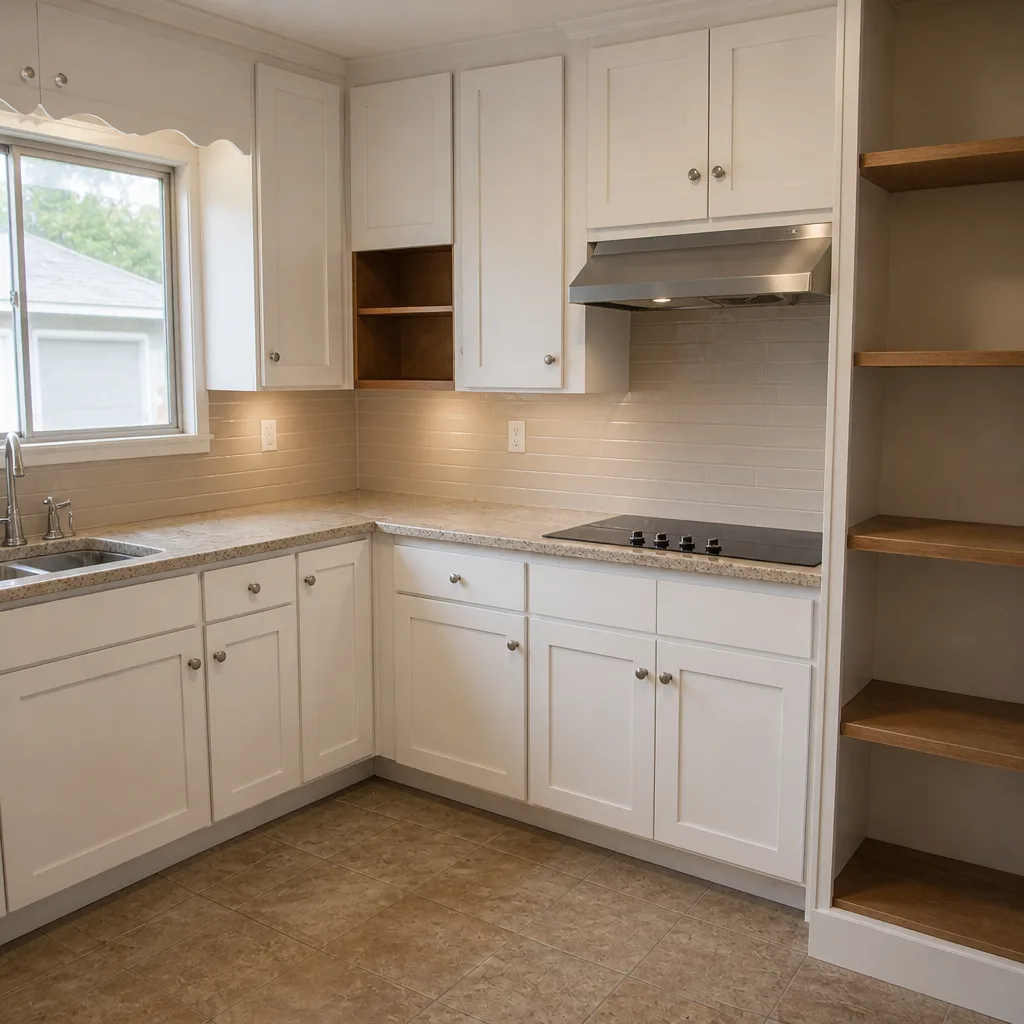
See the difference
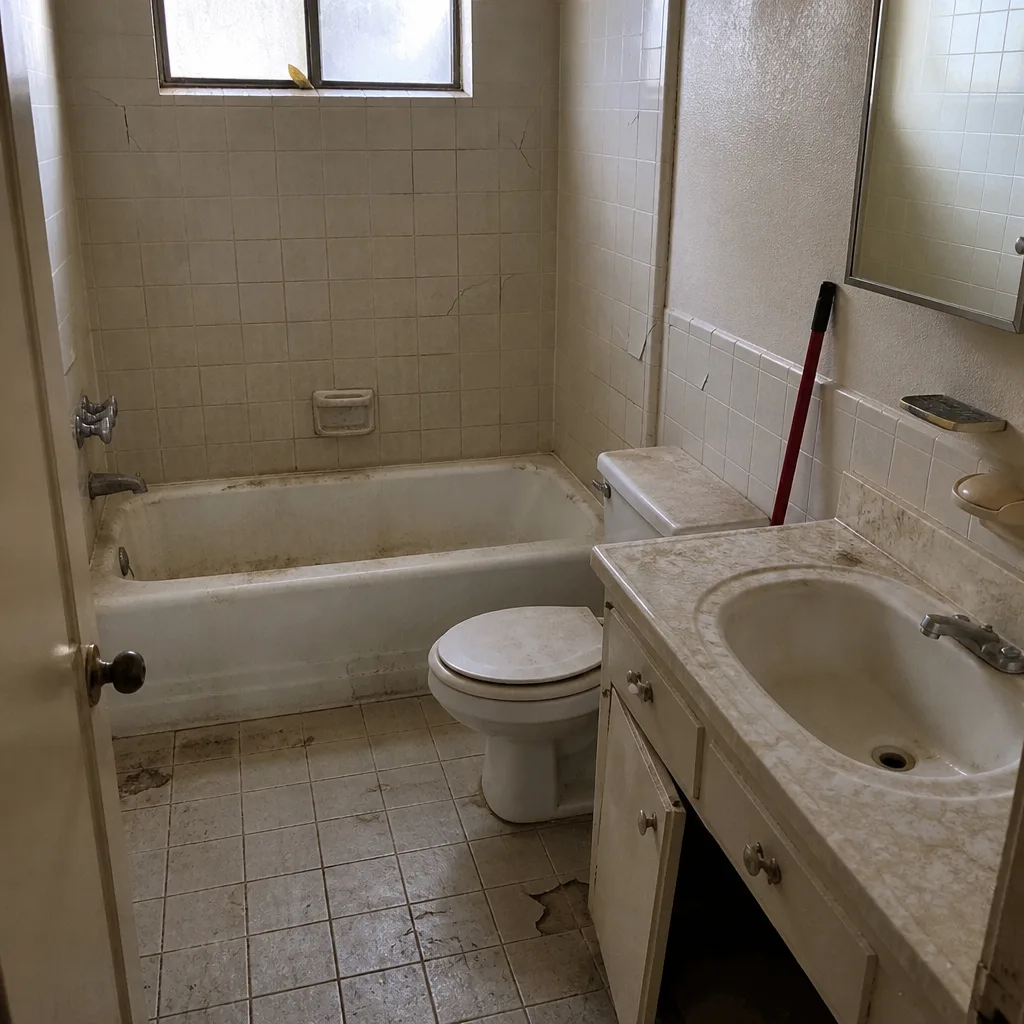 Before
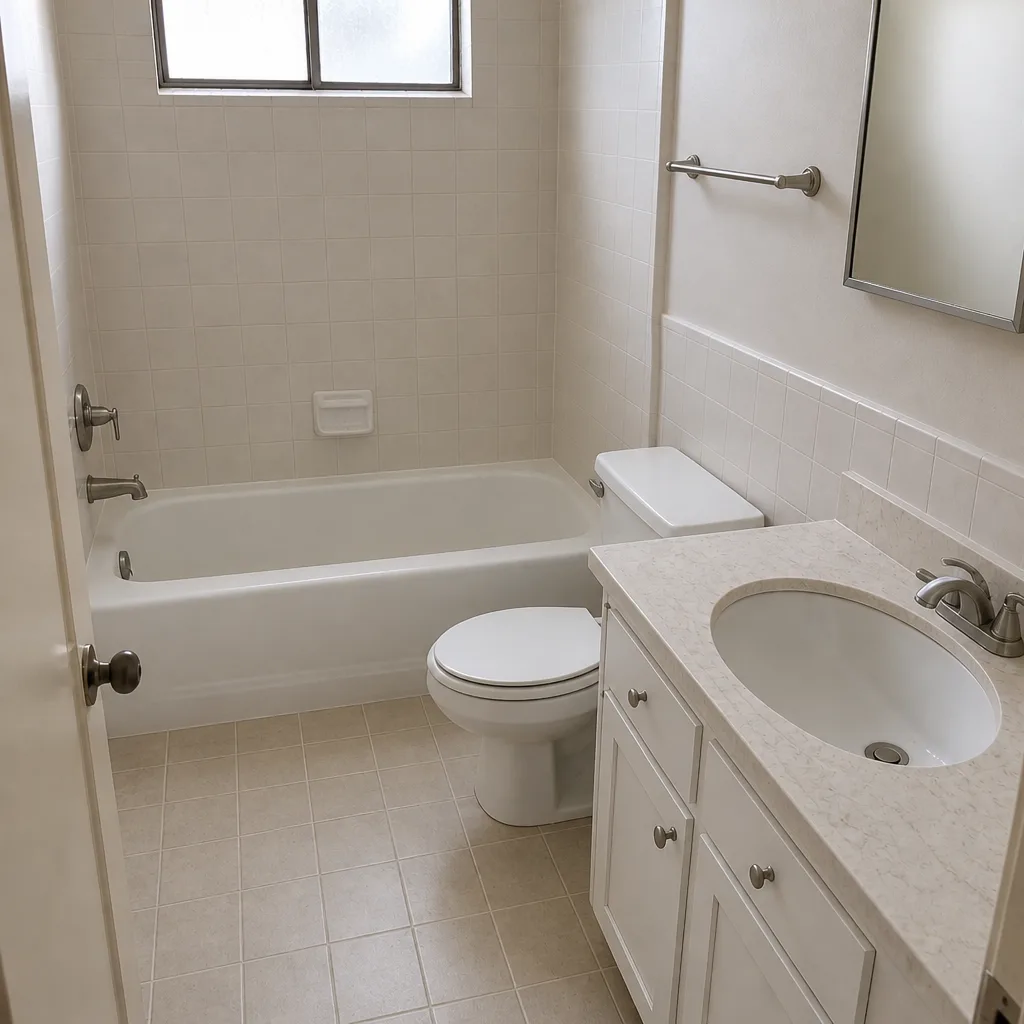 After
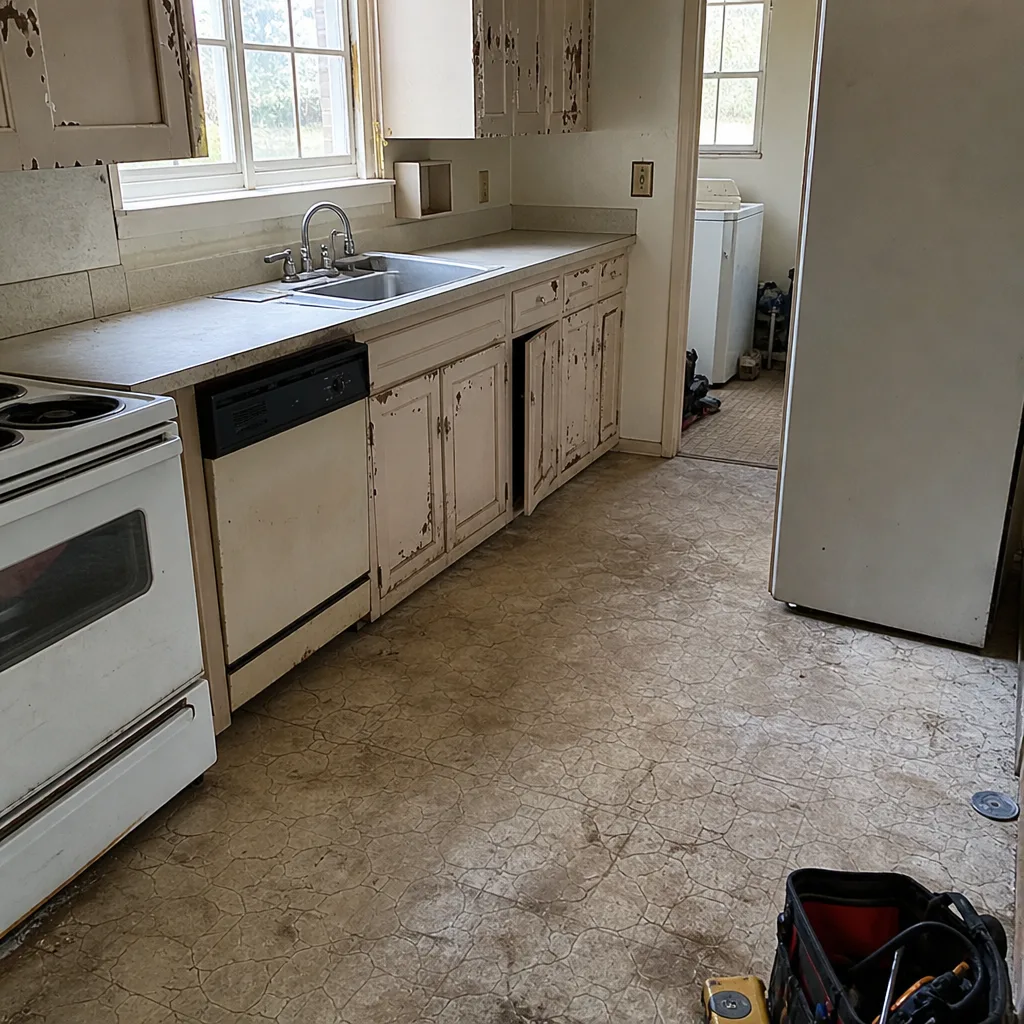 Before
 After
 Before
 After
When to Call a Professional
Some work is worth hiring out for skill reasons; some is worth hiring out for liability reasons. Anything that touches structural systems, electrical service, gas lines, or roofing at height belongs in the professional category, and this isn’t a close call. A failed inspection on structural or electrical work costs far more than the labor contract.
For multi-trade projects, a professional contractor is the difference between one schedule and seven. Kitchen and bathroom remodels, additions, ADU builds, and full exterior packages (roof, windows, hardscape, and fence together) are the projects where coordination overhead is highest and a single project relationship earns its keep. Structural work, permit work, and HPOZ-triggering projects are also the wrong place to save money by hiring the person with the lowest bid and no documented Pasadena permit history.
Construction Pasadena offers free estimates in Pasadena – call (844) 905-4587. Our technicians have up to 12 years of experience, and we can walk you through the Pasadena permit process, our named material bench, and a written line-item scope before you commit to anything.
Frequently Asked Questions
Ask the contractor for their permit history with the City of Pasadena Building and Safety division over the last 24 months, then verify it directly through the city’s online permit portal. You’re looking for permits that were pulled and finaled, not just opened – and the project type should match yours. Call (844) 905-4587 if you’d like us to walk you through what a clean permit history looks like.
Pasadena kitchen remodeling costs vary widely by scope, cabinet grade, and countertop material, so a written line-item estimate is the only reliable way to price your specific project. The written estimate sets the price, and material choices – KraftMaid or Wellborn cabinetry, Cambria or Silestone surfaces – move the number significantly. Call (844) 905-4587 for a free estimate on your Pasadena kitchen.
No change should apply unless you sign a written change order. The contract should specify a change order authorization threshold, so anything above the threshold requires your signed approval before the work proceeds. That’s the standard we write into every project contract – the written estimate sets the price, and changes only apply with your signature. Call (844) 905-4587 for a scope-complete bid that spells this out.
Yes, we pull Pasadena building permits and schedule the inspections that go with them. Permit responsibility should always be assigned explicitly in the contract – not left to “to be determined.” The permit line item should appear in every written bid, and if it doesn’t, ask why. Call (844) 905-4587 to discuss the permit scope for your project.
Timeline depends on scope and on the city’s permit and inspection schedule, and anyone who gives you a firm schedule before a scope document exists is guessing. A fence install and a full home addition aren’t the same project, and they don’t move at the same pace. The written scope and estimate should include a schedule by phase. Call (844) 905-4587 for a timeline once your scope is defined.
A proper ADU bid names the build method – prefab/modular or traditional – and names the material brands for each component. Our prefab partnerships include Abodu, Dvele, Mighty Buildings, Boxabl, and Plant Prefab, and each has different cost, timeline, and site-prep implications. Call (844) 905-4587 to walk through both pathways before you commit.
The Bottom Line
Hiring a contractor in Pasadena is about more than verifying the state license. The license is a floor; what separates contractors is their permit history with the city, whether their bids are scope-complete and brand-specific, and whether their contracts protect you on permits, change orders, and inspection sequencing. Get the bid in writing. Normalize three bids before comparing price. Name the brands before you sign. And confirm the contractor’s actual Pasadena permit record, not just their license. That combination is what turns a hiring decision from a gamble into a plan. Call (844) 905-4587 with your scope – the estimate is free.
Written by the team at Construction Pasadena.