Last updated November 17, 2026
Free written scope consultation - allowances, timeline, and change-order rules on paper before a single trade is scheduled
Choosing the Right Construction Brand: A Buyer’s Guide for Pasadena
The gap between a “comparable product” and the brand you actually specified can be invisible on installation day and obvious within three years. A contractor who swaps a 30-year architectural shingle for a 25-year 3-tab saves a few hundred dollars on a fifteen-thousand-dollar roof and quietly hands the homeowner a shorter service life and a warranty they didn’t know they’d lost. Worse, most homeowners never find out until they file a claim. This guide gives you a working knowledge of the real brand landscape across roofing, siding, hardscape, decking, and the contract language that holds it all together, so you can specify what you want, verify it on delivery, and hold a contractor to it. We’ll cover this the way we walk through it with clients across Pasadena.
Quick Answer
The right construction brand is the one you can research, verify, and write into a contract by name. That means choosing products with published specifications and real manufacturer warranties (GAF Timberline HDZ, Owens Corning Duration, James Hardie fiber cement, Belgard and Unilock pavers, Trex and TimberTech decking), then locking those names into the agreement with a true named-brand clause rather than vague “or equal” language. In Pasadena, the sun, heat, and historic housing stock make UV stability, color-through materials, and certified installation just as important as the brand on the box.
Styles & brands we work with
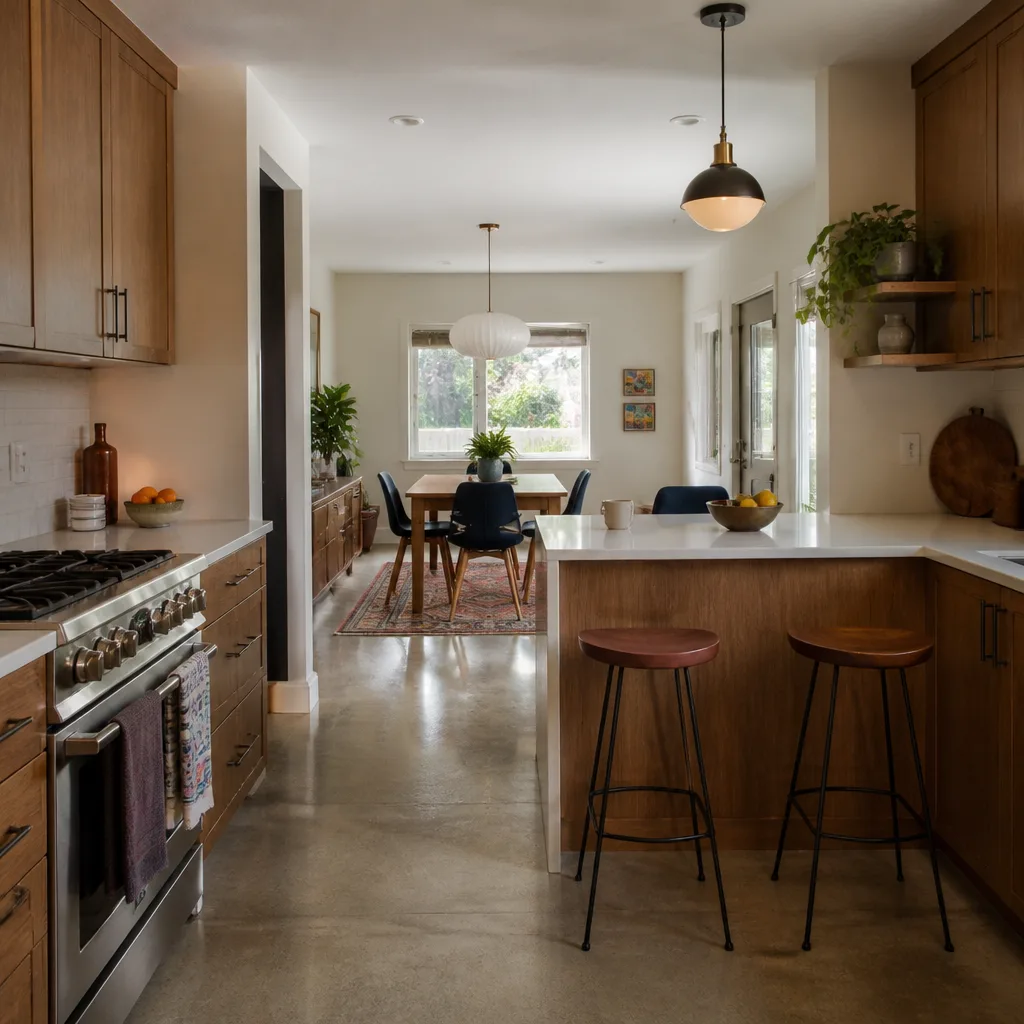
- Kitchen remodeling
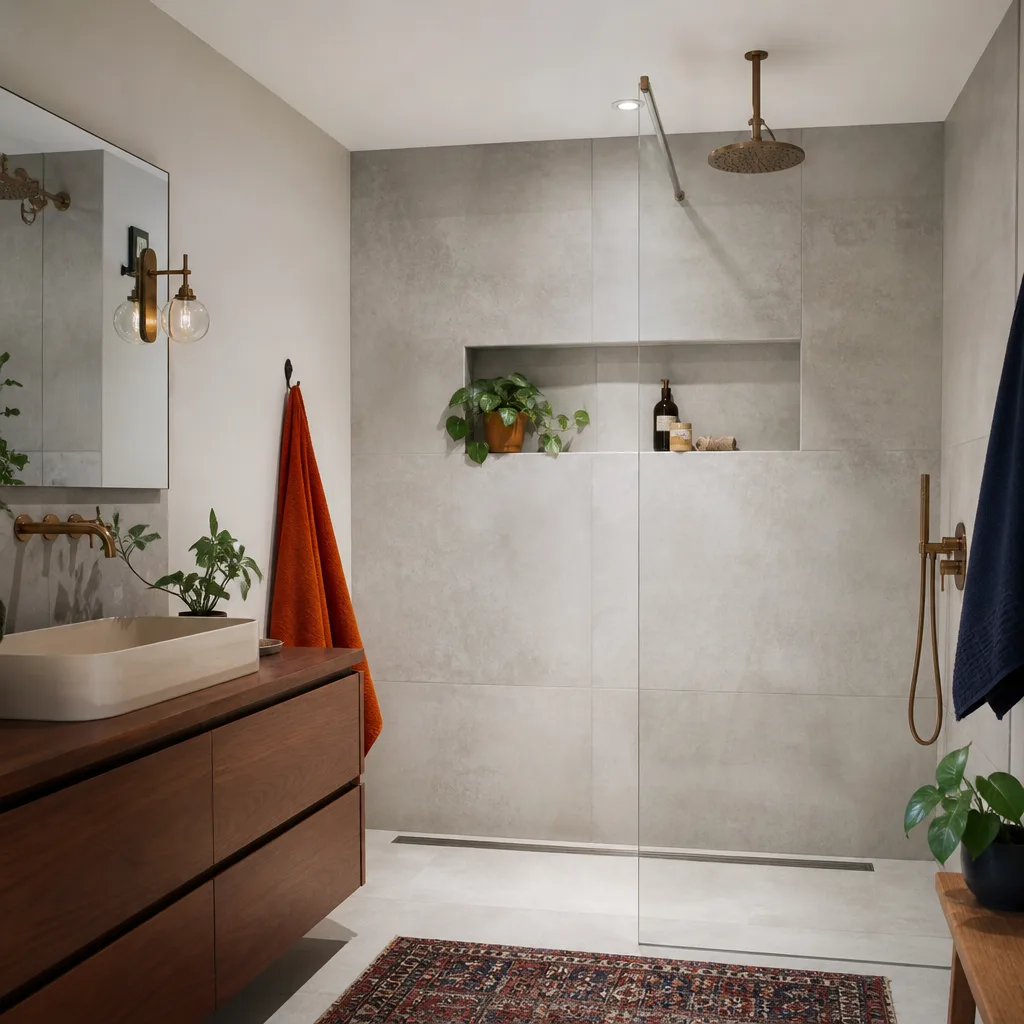
- Bathroom remodeling
- Home additions & ADU
- Roofing
- Windows & doors
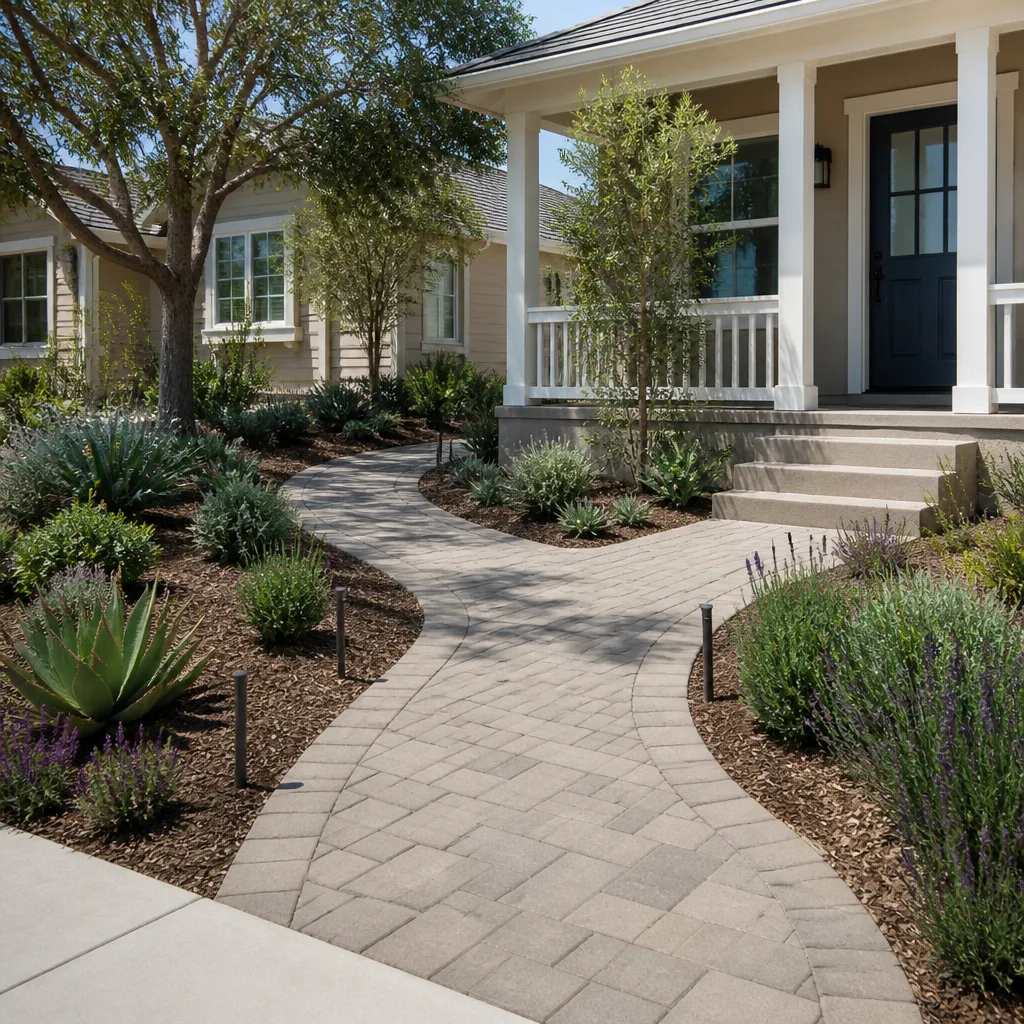
- Driveway & pavers
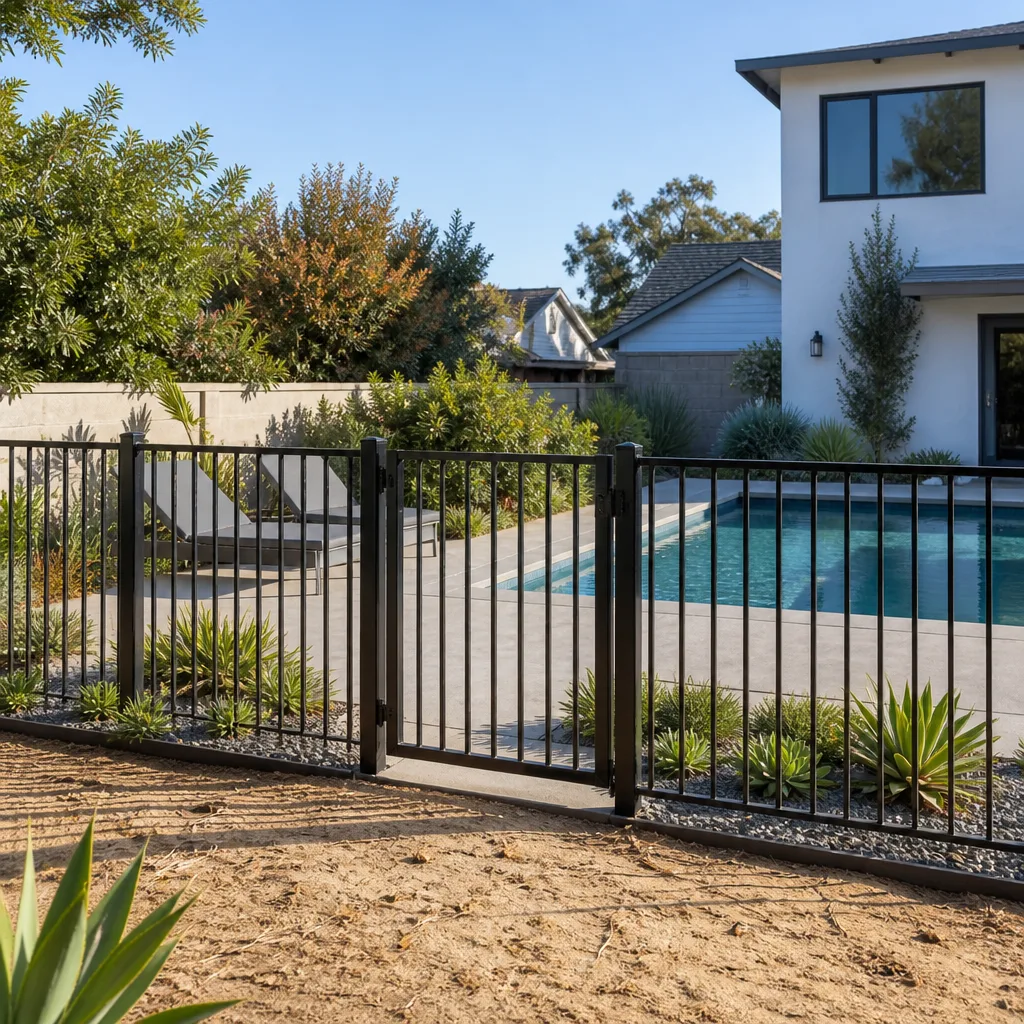
- Fence
Table of Contents
- Why Brand Selection Is Where Homeowners Lose Leverage
- Roofing Brands: GAF vs. Owens Corning vs. CertainTeed
- Siding and Trim: Why James Hardie Shows Up Everywhere in Pasadena
- Hardscape Brands: Belgard vs. Unilock vs. EP Henry
- Composite Decking: Trex Transcend vs. TimberTech Azek
- Interior Brands: Cabinets, Quartz, and Fixtures
- How to Write a Brand Specification Into a Contract That Holds
- How to Verify Product Delivery at the Jobsite
- Common Mistakes to Avoid
- When to Call a Professional
- Frequently Asked Questions
Why Brand Selection Is Where Homeowners Lose Leverage
Brand selection is the point in a construction project where you have the most power and the least information. Before the contract is signed, you’re comparing bids. After it’s signed, you’re comparing nothing – you’re waiting for a delivery. Between those two moments, a contractor can substitute products with almost no chance of being caught, because most homeowners don’t know what a GAF Timberline HDZ shingle looks like versus a generic architectural shingle until it’s nailed down.
The substitution problem isn’t always malicious. Sometimes it’s supply chain – a product is back-ordered and the crew grabs whatever’s on the shelf to keep the schedule. But the effect on you is the same: you paid for a specified product and got something else, and the manufacturer warranty may not cover what was actually installed. A shingle rated at 30 years from one manufacturer often has a different warranty term, a different wind rating, and different installation requirements than a “similar” shingle from another.
Pasadena raises the stakes in specific ways. The region’s intense sun and long dry summers wear on anything with surface-applied color – pavers, decking, siding. Historic neighborhoods have design review expectations that make material choices visible and permanent. And because many Pasadena homes are older, a material failure often reveals a second problem underneath, which turns a “comparable product” swap into a much larger repair.
Our approach is simple: brands you can look up before you commit. Across all seven of our service lines – from the driveway to the roofline – we work with named manufacturers so clients can research a product, read its warranty, and know exactly what’s being installed. That’s the starting point for every other section in this guide.
Roofing Brands: GAF vs. Owens Corning vs. CertainTeed
Three manufacturers dominate the asphalt shingle market in Southern California: GAF, Owens Corning, and CertainTeed. All three make a lifetime architectural shingle, and all three have certified-installer programs. The differences that matter to you are in the warranty terms, the wind ratings, and what the certification actually requires of the installer.
Here’s how the three flagship lines compare:
- GAF Timberline HDZ – The HDZ line uses GAF’s “StainGuard” algae-resistant granules and a “LayerLock” technology that fuses the shingle layers. GAF’s top warranty tier (Golden Pledge) requires a certified contractor and adds a workmanship component that covers installation errors, not just manufacturing defects. Without that certification, you get a much shorter warranty on labor – sometimes as little as a few years.
- Owens Corning Duration – Duration shingles use a “SureNail” strip that widens the nailing zone, which reduces the risk of a high nail (a common cause of leaks). Owens Corning’s Platinum Protection warranty similarly requires a Platinum Preferred contractor and includes a workmanship term. The Duration line is generally rated for higher wind speeds than a standard architectural shingle.
- CertainTeed Landmark – Landmark is CertainTeed’s flagship architectural shingle, and its top warranty tier (SureStart PLUS) is available through SELECT ShingleMaster contractors. The Landmark line’s warranty includes a tear-strength rating and an algae-resistance option.
The key insight for Pasadena homeowners: the shingle brand isn’t the whole story – the certification is. A “lifetime” shingle installed by an uncertified crew on a $15,000 roof often comes with a labor warranty measured in single-digit years. Ask any roofer to show you their manufacturer certification in writing before they quote.
We’re authorized to install and work with GAF, CertainTeed, Owens Corning, IKO, Atlas, Tamko, and Boral roofing systems, so we can match the shingle to the warranty tier you actually want. If you want to understand how the roof ties into the rest of the envelope, our construction Pasadena overview covers the full scope.
Siding and Trim: Why James Hardie Shows Up Everywhere in Pasadena
James Hardie fiber cement dominates Pasadena’s historic neighborhoods for a reason. The material looks like wood clapboard or shingle, it doesn’t rot or feed termites, and it holds paint far longer than wood. In a city where the Craftsman and Spanish Colonial housing stock is a defining feature, that combination – period-appropriate look plus modern durability – explains a lot of the demand.
The piece most homeowners miss is the HardieZone system. James Hardie manufactures different formulations for different climate exposures, labeled HZ5, HZ10, and so on. California’s inland valleys and coastal foothills typically need a formulation optimized for high heat, intense UV, and low humidity, which is a different product category than a siding built for wet, cold climates. If a contractor quotes “James Hardie siding” without specifying the HardieZone, you may get a product that’s not engineered for Pasadena’s thermal cycling.
Why fiber cement holds up here:
- It doesn’t expand and contract as dramatically as wood or vinyl, so paint lasts longer under the region’s summer sun.
- The fiber cement composition resists the dry-rot cycle that plagues wood siding in older homes, where a single failed caulk joint can be a slow, invisible problem.
- It holds up to the typical Southern California thermal cycle of hot afternoons and cool nights without warping or buckling.
- It’s fire-resistant, which matters more in parts of Pasadena that sit near wildland-adjacent areas.
When you’re evaluating a siding bid, ask three things: what HardieZone rating, what trim material (fiber cement, composite, or PVC), and what the trim attachment method is. Those three answers tell you whether the job is being built to last or just built to look finished on day one.
Hardscape Brands: Belgard vs. Unilock vs. EP Henry
Driveways, walkways, and patios are where Pasadena’s sun does the most visible damage. Surface-colored pavers fade under sustained UV exposure; color-through products hold their color because the pigment runs through the entire paver, not just the top few millimeters. That’s the single biggest brand-selection decision in hardscape, and it’s exactly where “comparable product” substitutions hurt most.
Here’s how the three main manufacturers compare:
- Belgard – One of the largest paver manufacturers in the country, with a broad line of structural and decorative pavers. Belgard’s color-through products and its warranty terms are well-documented, which makes them easy to verify in a contract.
- Unilock – Known for precision edges and tighter dimensional tolerances, which matters at the joints. Unilock’s “EnduraColor” line uses color-through technology, and the company publishes compressive strength (psi) ratings for its product lines, which you can compare directly with competing bids.
- EP Henry – A regional Northeast manufacturer with a limited Southern California footprint. If a contractor quotes EP Henry in Pasadena, verify local availability and lead times before you sign.
The evaluation criteria that matter:
- PSI rating – Compressive strength. Higher psi is more important for driveways (where vehicles load the surface) than for patios.
- Color-through vs. surface color – Color-through pavers retain their look; surface-colored pavers fade faster under Pasadena’s UV. Ask for the product spec sheet.
- Edge retention and dimensional tolerance – Tighter dimensions mean tighter joints, which means less sand loss and fewer weeds over time.
- Lateral strength – Important for driveways where turning wheels create sideways loads. Ask for the manufacturer’s lateral load specification.
We work with six paver manufacturers – Belgard, Unilock, Tremron, Techo-Bloc, Cambridge Pavers, and Oldcastle – which gives real design variety rather than a single slab style. Our driveway & pavers page walks through the full selection process.
Composite Decking: Trex Transcend vs. TimberTech Azek
Composite decking is where the material composition gap between brands is biggest, and where Pasadena’s summer surface temperatures make that gap matter. The two market leaders, Trex and TimberTech, use fundamentally different constructions under the same “composite” label.
Trex Transcend is a wood-fiber composite with a polymer cap. The core contains wood flour and recycled plastic; the cap is the weather-facing layer that resists moisture and staining. TimberTech Azek (part of the AZEK Company), by contrast, uses a full-cellular PVC core – no wood fiber anywhere in the board. The cap and core are essentially the same polymer, so there’s no wood substrate to absorb moisture if the cap is ever scratched or damaged.
What that difference means for you:
- Heat – Darker-colored boards of either brand can get genuinely hot underfoot on an exposed Pasadena patio in August. Lighter colors run cooler. Full-PVC boards (Azek) tend to expand and contract less than wood-composite boards, so gaps at the edges stay more consistent over the seasons.
- Moisture – Azek’s all-PVC construction is effectively immune to the wood-rot cycle. Trex’s capped boards are highly water-resistant, but the underlying composite core can absorb moisture if the cap is damaged. For most installations that never happens; for a board that takes a hard impact, it’s a meaningful difference.
- Appearance – Trex Transcend offers a broad palette of variegated, wood-grain patterns. Azek’s “Porch” and “Vintage” lines have a more uniform, painted look. Neither is better; they’re different design languages.
- Warranty – Both manufacturers offer long fade-and-stain warranties on their premium lines. Read the fine print on what voids them (power washing pressure, certain cleaning chemicals, and structural support requirements are common exclusions).
Ask any decking contractor to show you the actual product spec sheet for the board they’re proposing – not the manufacturer’s marketing page, the spec sheet. That’s the document that tells you whether the board is capped composite or full PVC, and it’s the document that should be attached to your contract.
Interior Brands: Cabinets, Quartz, and Fixtures
Interior brands are where the substitution risk is highest because the difference between a premium and a mid-tier product is often invisible to a homeowner walking through a showroom. Cabinets, countertops, and fixtures all have well-defined brand tiers, and any of them can be swapped after signing with almost no chance of being caught until years later.
The categories and brands that matter in Pasadena kitchens and bathrooms:
- Cabinets – KraftMaid and Wellborn cover the semi-custom to custom spectrum. Both publish their box construction (particleboard vs. plywood), drawer hardware, and finish warranty in spec sheets you can request before signing.
- Countertops – Cambria, Caesarstone, and Silestone are the three quartz brands we work with most often. Each has a distinct slab palette and finish warranty; ask for the specific slab number, not just “quartz.”
- Plumbing fixtures – Kohler, Moen, Delta, Grohe, American Standard, Toto, and Blanco cover faucets, sinks, and toilets. Toto’s toilets and Kohler’s faucets have different repair-part ecosystems, which matters for long-term maintenance.
- Waterproofing – Schluter systems are the industry reference for shower waterproofing. A bathroom remodel without a named waterproofing system is a bathroom you’ll be repairing in five years.
We source these brands across our fence installation and interior work because the same substitution risk applies everywhere: a “custom cabinet” without a brand name is a router bit and a hope. Named brands are how you verify what you’re paying for.
How to Write a Brand Specification Into a Contract That Holds
The single most important sentence in your construction contract is the one that names the product. Get that sentence right and everything else follows. Get it wrong and the rest of the contract is a suggestion.
Here’s the difference between language that holds and language that doesn’t:
Language that doesn’t hold: “30-year architectural shingle” or “premium quartz countertops” or “composite decking.” These phrases are marketing, not specifications. Any contractor can satisfy them with any product from any manufacturer, at any tier.
Language that holds: “GAF Timberline HDZ shingles, color [X], installed by a GAF-certified contractor, with Golden Pledge warranty documentation delivered to owner at project close.” That’s a specification. It names the product, the certification, and the deliverable.
Five steps to writing a brand specification that holds:
- Name the manufacturer and the product line. Not “quartz” but “Cambria Britannica” (or your chosen slab). Not “siding” but “James Hardie HardiePlank HZ10.”
- Specify the color and finish. Product lines have multiple color and texture options. The specific SKU or color name locks in what you’re buying.
- Name the certification or installation standard. If the manufacturer requires a certified installer for the top warranty tier, write that in.
- Require documentation deliverables. Warranty certificates, product spec sheets, and installation records are all deliverables. Write them into the close-out package.
- Define the substitution process. If a product is back-ordered, the replacement requires your written approval, in advance, with a like-for-like specification.
“Or equal” language is the enemy of all five. A contractor who writes “GAF Timberline HDZ or equal” has just undone step one. Either the contract names the product or it doesn’t; “or equal” is a loophole that shifts the decision back to the contractor after you’ve signed. Insist on true named-brand language, and if the contractor won’t accept it, that’s information you should have before signing.
For larger projects that span roofing, windows, addition, and interior scope, the brand-spec discipline applies across all of them. Our home additions & ADU page covers how we handle multi-scope specification, and it’s the same discipline across every trade.
How to Verify Product Delivery at the Jobsite
Verification is easier than most homeowners think. Every legitimate product ships with packaging, labels, and a paper trail. The contractor’s job is to give you access to that trail; your job is to check it.
Here’s how to verify product delivery:
- Request delivery documentation before installation. Ask for the delivery receipt or packing slip at the time of drop-off, not after installation.
- Photograph the packaging. Manufacturer labels, product codes, and lot numbers should be visible on the packaging. Photograph them before the crew opens the boxes.
- Check the SKU or color code. The product delivered should match the specification in the contract. If you specified Cambria Britannica and the box says a different slab, that’s a problem to raise before installation.
- Verify installation certification. If the top warranty tier requires a certified installer, ask for the certification number or install card. Legitimate certified installers carry them.
- Collect the warranty registration. After installation, the manufacturer’s warranty certificate should arrive in your close-out package. If it doesn’t, follow up. Registration matters if you ever file a claim.
In our experience, most substitution problems would be caught by step one alone. A contractor who won’t hand over a delivery receipt is a contractor with something to hide. A contractor who hands it over freely is usually doing exactly what the contract says.
The same verification discipline applies to prefab and modular ADU work, where the factory delivers a building rather than a pallet of shingles. Partners like Dvele, Mighty Buildings, Boxabl, and Plant Prefab all publish specifications on their units, and the process is the same: name the model, verify delivery, collect the documentation.
Common Mistakes to Avoid
- Accepting “or equal” language without a definition. If the contract says “Brand X or equal,” you’ve given the contractor the option to substitute at their discretion. Ask for a named brand only, or for the “equal” standard to be defined in writing with your approval required.
- Skipping the spec sheet. The manufacturer’s product spec sheet is the document that defines psi rating, color-through construction, warranty terms, and installation requirements. Request it for every product in the contract, and file it with the contract.
- Assuming the brand alone triggers the top warranty. A lifetime shingle from GAF installed without GAF’s certified contractor tier carries a much shorter labor warranty. The certification matters as much as the brand.
- Not photographing deliveries. Boxes disappear after installation, and with them the labels that would have proved what was installed. Photograph the packaging before the crew opens it.
- Choosing surface-colored pavers for Pasadena sun exposure. Surface color fades faster under sustained UV than color-through products. For a driveway or patio that will sit in the sun year-round, color-through matters.
- Mixing brands across categories without a plan. A roof from one manufacturer, siding from another, and windows from a third can each be excellent, but the interfaces between them need to be specified. Window flashing integrates with the siding, the siding integrates with the trim, the trim integrates with the roofline.
- Skipping the close-out package. Warranty certificates, product spec sheets, and installation records should be delivered at the end of the project. If they’re missing, you’ve lost the documentation that makes your warranty enforceable.
When to Call a Professional
Brand selection is the part of a construction project where DIY rarely saves money but often costs it. Roofing work at height, electrical panel and wiring changes, gas appliance connections, and structural additions all involve genuine safety risk, and installation errors in those categories are hard to spot until something fails. Even on lower-risk scope like pavers and fencing, the discipline of naming a product, verifying delivery, and holding the installer to a certification standard is the difference between a 20-year surface and a 5-year one. The same applies to windows and doors, where impact-rated and energy-efficient products from PGT, CGI, ECO Window Systems, ES Windows, Therma-Tru, and ViewLux must be flashed and installed to the manufacturer’s spec or the warranty is void from day one.
Construction Pasadena offers free estimates in Pasadena. One contractor across every trade, brands you can look up before you commit, and written line-item quotes that name the product. Call (844) 905-4587 to schedule your free estimate. We answer 24/7. Fast dispatch from 7am to 7pm, Sunday through Friday.
Frequently Asked Questions
GAF, Owens Corning, and CertainTeed are the strongest roofing specifications because their top warranty tiers require certified installers and publish clear documentation. James Hardie fiber cement in the correct HardieZone is the reference siding for Pasadena’s historic housing stock, and Belgard, Unilock, or Tremron are the paver brands with color-through construction that holds up to the region’s UV. Call (844) 905-4587 to discuss the specification for your project – estimates are free.
“Or equal” lets the contractor substitute a product they consider equivalent, but the definition of “equal” is rarely written down. In practice it’s a loophole: the homeowner loses the ability to hold the contractor to the named brand, and substitutions can happen without notice. A true named-brand clause names the manufacturer, the product line, the color, and any required installer certification, with any change requiring your written approval first. Call (844) 905-4587 if you want your contract reviewed before signing – estimates are free.
Yes, because the shingle brand is tied to the warranty tier, and the warranty tier is tied to the installer’s certification. A GAF Timberline HDZ installed by an uncertified roofer carries a shorter labor warranty than the same shingle installed by a GAF-certified contractor under the Golden Pledge program. The brand and the certification are two halves of the same decision, and both should be written into the contract. Call (844) 905-4587 for an exact quote on your roofing project – estimates are free.
Request the delivery receipt or packing slip before installation, photograph the manufacturer labels and lot codes on the packaging, and check that the SKU or color code matches the contract specification. If the product is a color-through paver or a full-PVC deck board, the packaging will identify it. Collect the warranty certificate in your close-out package. If any of that documentation is withheld, that’s a problem worth raising before the crew installs anything. Call (844) 905-4587 for a written line-item quote that names every product in the scope.
Trex Transcend is a wood-fiber composite with a polymer cap over a wood-flour core. TimberTech Azek uses a full-cellular PVC core with no wood fiber, so the cap and core are essentially the same moisture-resistant material. Azek expands and contracts less across Pasadena’s seasonal temperature swings, which keeps edge gaps more consistent. Both are excellent; the choice comes down to appearance preference, color palette, and how much the all-PVC construction matters for your specific installation. Call (844) 905-4587 to walk through the options – estimates are free.
Not under a properly written contract. The specification names the product, and if a product is unavailable, the replacement requires your written approval with a like-for-like specification in advance. That’s the whole point of naming the brand. A contractor who substitutes without your sign-off has broken the contract, and a contractor who asks for a price increase because the specified product is back-ordered is asking to renegotiate. Call (844) 905-4587 for a written estimate that sets the price – the estimate is the number.
The Bottom Line
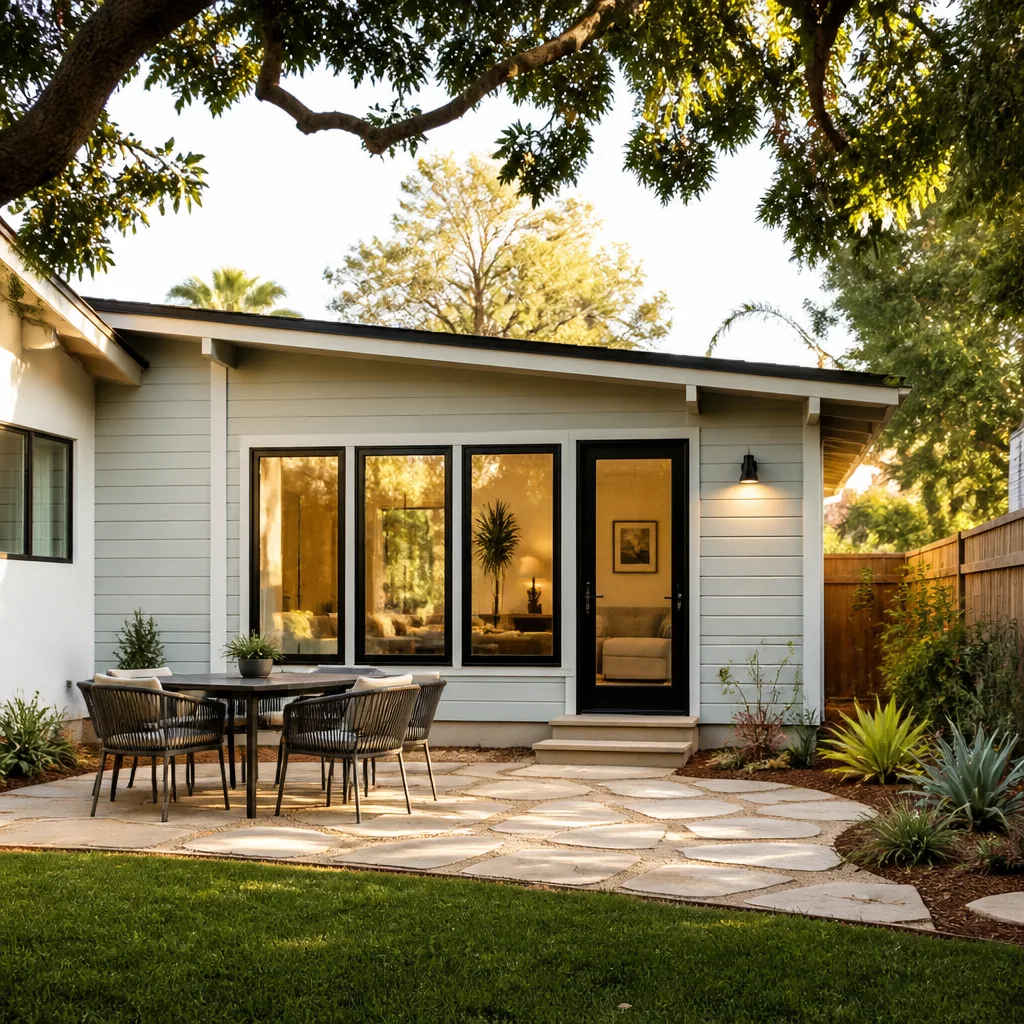
The right brand is the brand you can research, verify, and write into a contract by name. That means choosing products with published specifications and real manufacturer warranties – GAF or Owens Corning on the roof, James Hardie fiber cement with the correct HardieZone rating on the siding, Belgard or Unilock color-through pavers on the driveway, Trex or TimberTech on the deck, KraftMaid or Wellborn cabinets in the kitchen. It means writing a true named-brand specification into the contract and verifying delivery at the jobsite. And it means choosing a contractor who will accept that language, because the contractors worth hiring are the ones who expect to be held to a written specification. We work with named manufacturers across every service line for exactly this reason. Material choices, not material surprises.
Written by the team at Construction Pasadena.
See the difference
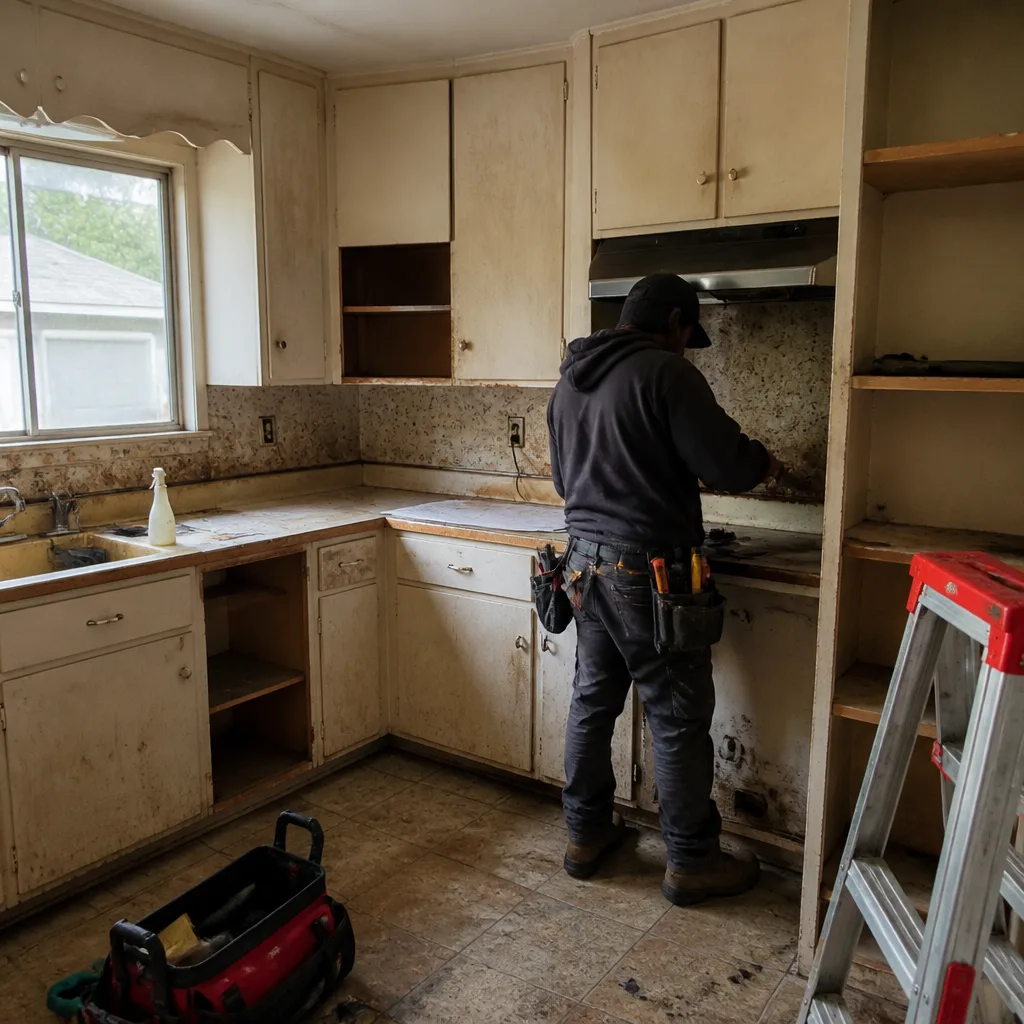
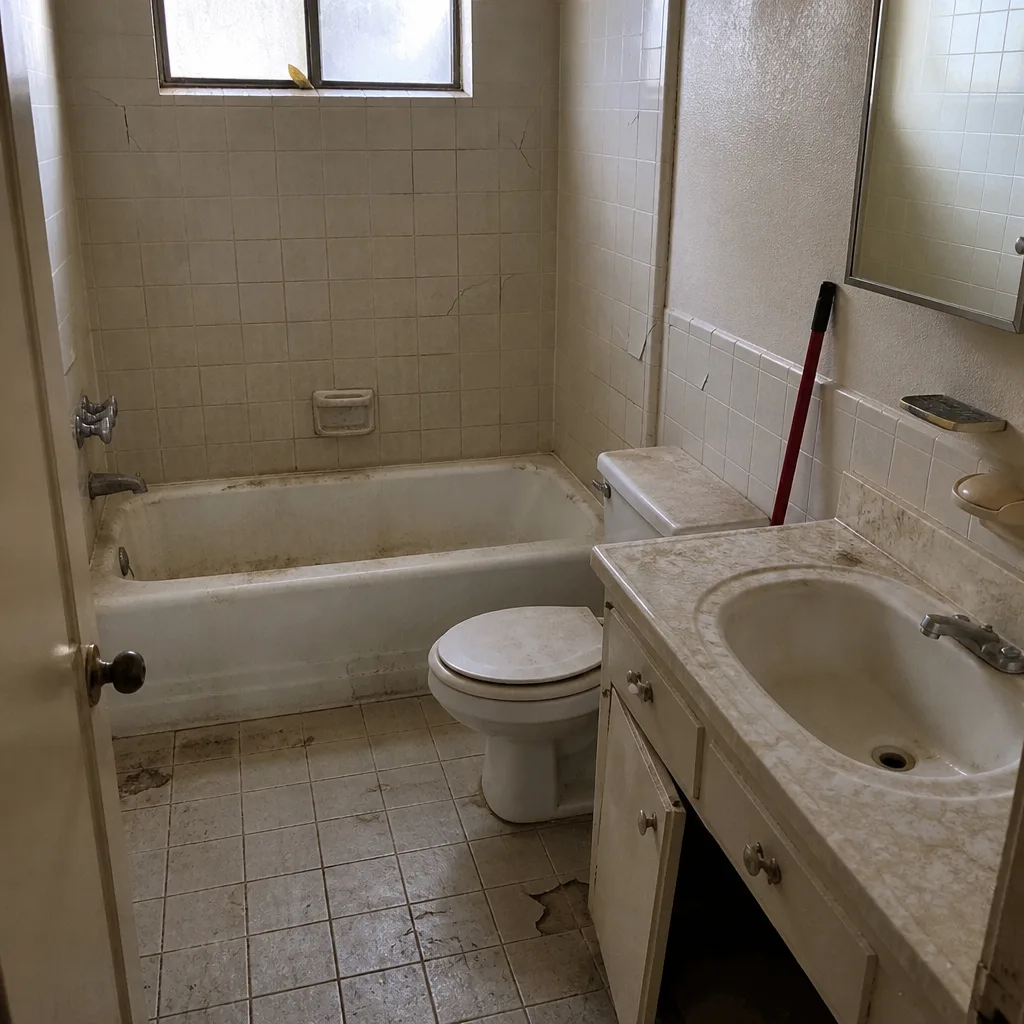 Before
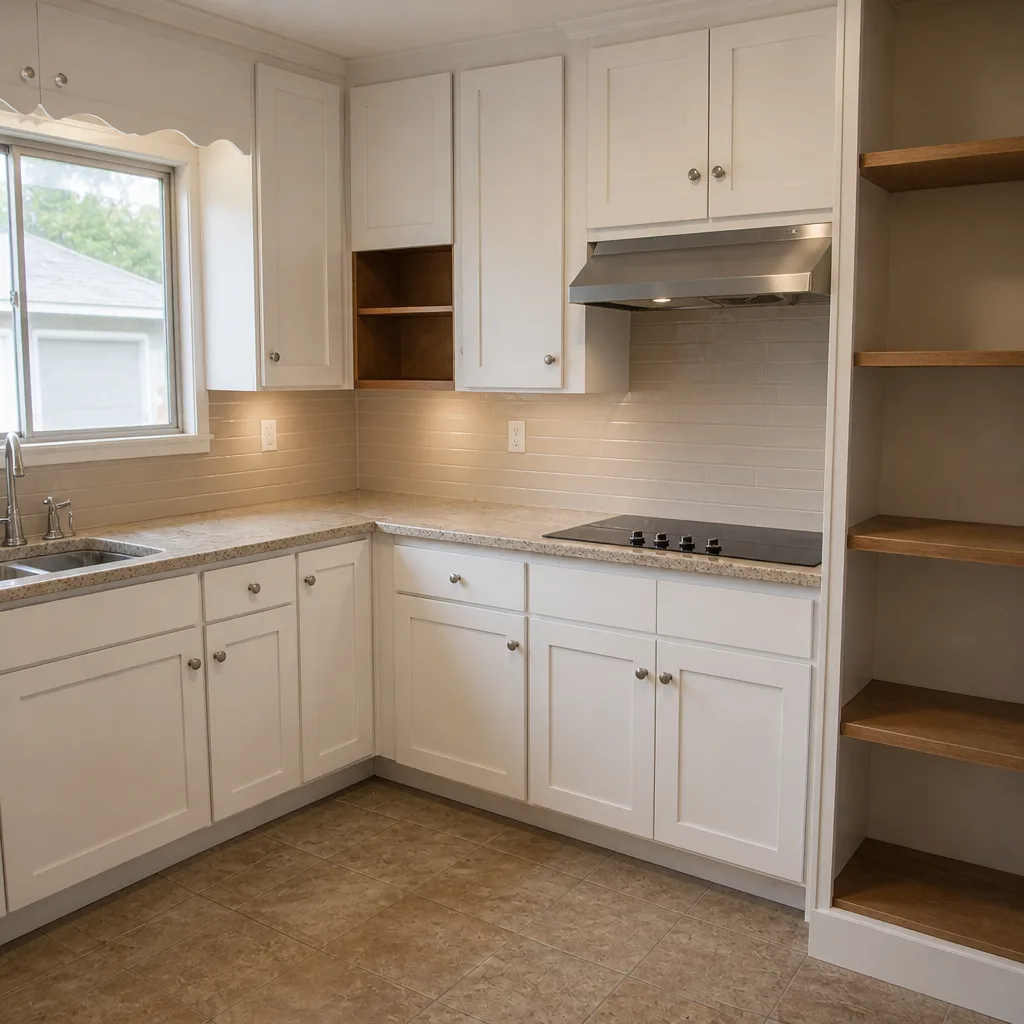
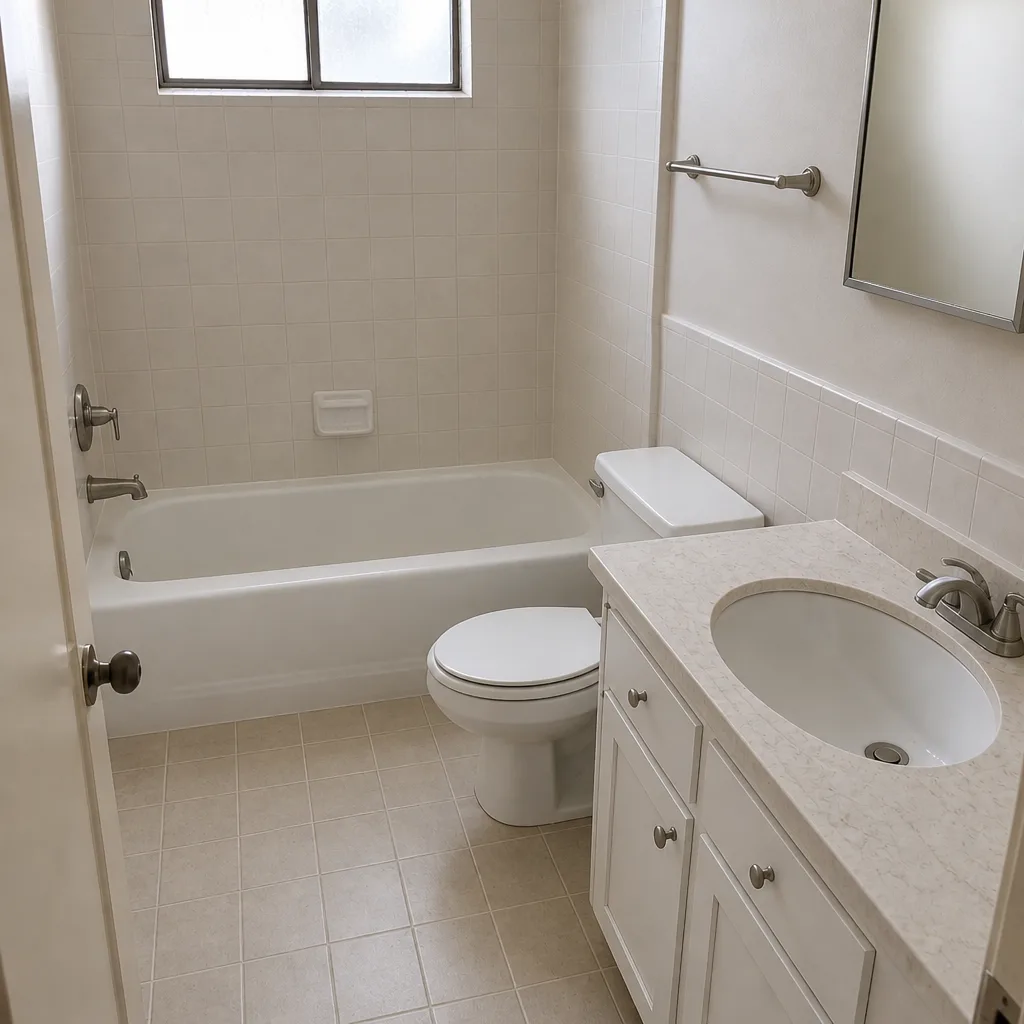 After
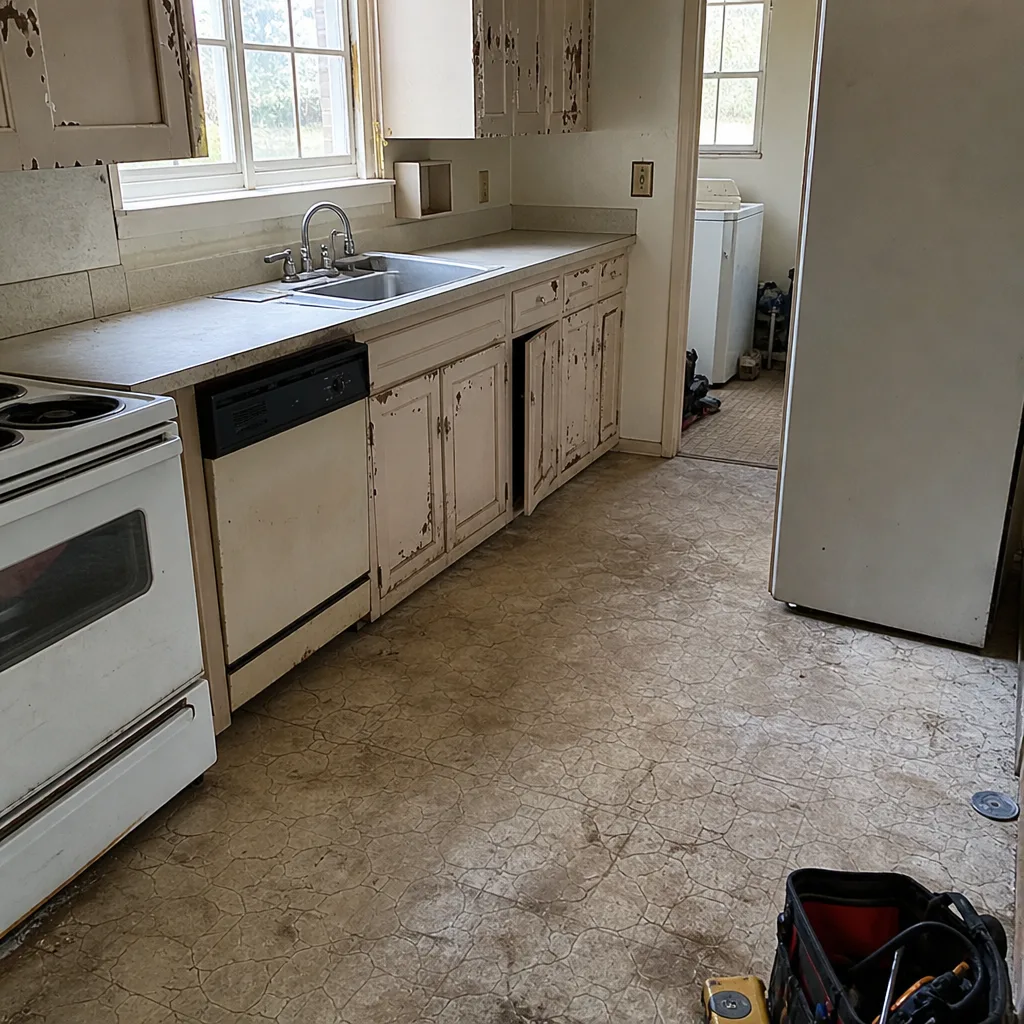 Before
 After
 Before
 After