
Last updated November 17, 2026







Free written scope consultation - allowances, timeline, and change-order rules on paper before a single trade is scheduled
Construction Warning Signs: A Pasadena Homeowner’s Reference Guide
Most warning-sign checklists point at the dramatic stuff: a crack you could fit a hand into, a roof that’s visibly caved in, a wall that’s pulled away from the frame. By the time your house shows those things, the expensive part already happened. The signs that actually matter in Pasadena show up much earlier and much quieter. A back door that drags only in late summer. A stair-step crack in the brick veneer that a pencil of caulk keeps hiding. Grout that opens back up a month after you re-grout it. Pasadena sits on expansive clay and near active fault systems, and houses here are a mix of century-old bungalows and mid-century builds, so the ground under them moves and settles on its own schedule. This guide teaches you to read those early signals yourself, room by room, before they turn into structural repair.
Quick Answer
The most reliable construction warning signs in a Pasadena home are patterns, not single events: cracks that keep reopening after repair, doors and windows that stick seasonally versus sticking year-round, shingle granules collecting in gutters, retaining walls that bow or weep at the same spot, and interior stains that grow after rain. One sign in isolation is usually normal settling. A pattern that repeats or worsens over a season is your cue to get a professional assessment.
Styles & brands we work with
- Kitchen remodeling
- Bathroom remodeling
- Home additions & ADU
- Roofing
- Windows & doors
- Driveway & pavers
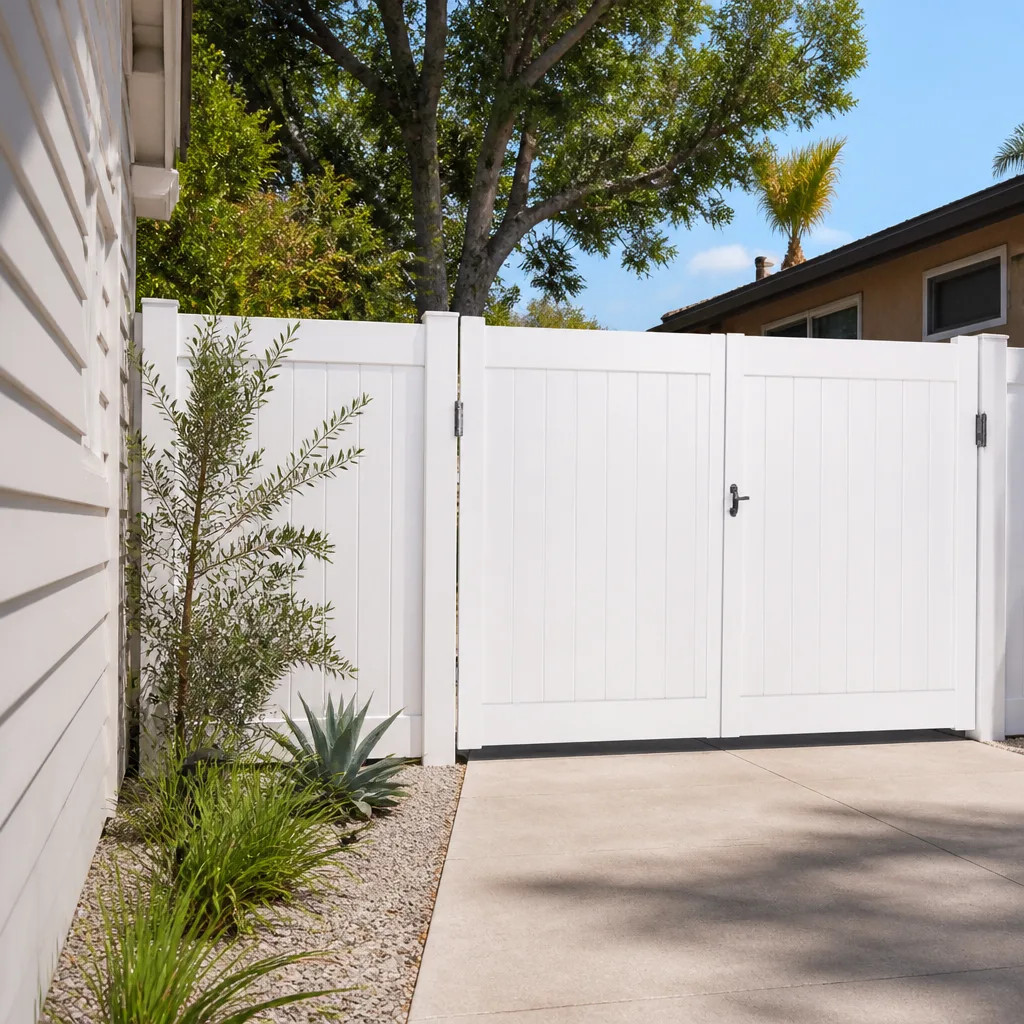
- Fence
Table of Contents
- Foundation Movement in Expansive Clay Soil
- Reading Your Roof From the Ground
- Retaining Wall Distress Signals
- Water Intrusion: One-Time Event or Chronic Problem?
- Tells of an Unpermitted Repair
- Seismic and Structural Clues in Older Homes
- Seasonal Versus Active Movement: A Walkthrough Method
- Common Mistakes to Avoid
Foundation Movement in Expansive Clay Soil
Pasadena’s clay soils swell when they take on water and shrink as they dry, and that cycle pushes and pulls on a foundation all year. The result is that almost every older home in Pasadena has some cracking. The question is never whether there’s a crack. It’s whether the crack is stable or active.
Seasonal movement has a rhythm. A door that swells and sticks after the winter rains and frees up by summer is behaving the way clay soil does. Active movement doesn’t reset. It accumulates. If a door that stuck last year sticks earlier this year, or a window that used to close now needs a shoulder, the movement is progressing rather than cycling.
Here’s what we look at when evaluating foundation indicators:
- Crack shape and direction. Vertical hairline cracks in stucco are common and usually benign. Diagonal cracks that run from the corner of a door or window frame outward, or stair-step cracks through brick or block, are the ones that track movement.
- Crack width over time. Judge by change, not by a single measurement. A hairline that is measurably wider after a dry summer is active.
- Door and window behavior. Sticking that appears across multiple openings on the same side of the house points to movement on that side, not a warped door.
- Floor slope. A marble or ball bearing that rolls toward one wall in a room that used to be level is a signal worth a professional look.
- Gaps at the exterior. Separation where the house meets a porch slab, a walkway, or a garage apron tells you the two are moving apart.
Foundations in Pasadena are also old. Many were built before modern reinforcement standards and were never designed for the soil movement this region delivers. A structural assessment is the only way to know whether what you’re seeing is cosmetic or whether underpinning, drainage correction, or slab work is on the horizon. This is not a place for guesswork, and it’s not a job to attempt yourself; foundation work affects the load path of the whole house.
Reading Your Roof From the Ground
You don’t need a ladder to catch most roof problems. The best inspections happen from the driveway and the yard, and they catch the issue before it’s inside the ceiling. Roofing systems like GAF, CertainTeed, and Owens Corning all age in ways that are visible from below once you know what to look for.
Granule loss patterns
Asphalt shingles shed granules as they age, and those granules end up in your gutters and at the base of your downspouts. A little grit in the gutter is normal. Heavy accumulation in a concentrated area, or bald patches on the shingle surface you can see from the ground, means those shingles are near or past their service life. Uneven wear, where one slope is shedding much faster than another, often points to that slope facing the sun and heat most of the day or to poor attic ventilation underneath it.
Flashing lift at ridges and valleys
Flashing is the metal that seals the joints where roof planes meet, where the roof meets a wall, and around chimneys and vents. From the ground, look for lifted or curled metal edges at ridges and valley lines. Lifted flashing is the single most common path for water to get under shingles, and it often goes unnoticed until a ceiling stain appears.
Gutter behavior during rain
Watch your gutters during the first real rain of the season. Water pouring over the front edge in one spot, sagging gutter runs, or downspouts that dump right at the foundation are all roof-drainage clues. In Pasadena, where rain arrives in concentrated storms after long dry stretches, a gutter that dumps water beside the foundation feeds exactly the clay soil you want to keep stable.
Roof work involves heights, and a fall from a two-story roof is a serious injury. The right move is a professional roof inspection, not a homeowner scramble up a ladder with a flashlight.
Retaining Wall Distress Signals
Many Pasadena properties sit on graded lots, and retaining walls hold back the soil that makes those lots usable. A failing retaining wall is both a structural and a safety issue, and it telegraphs its problems early if you know the vocabulary.
- Bowing or leaning. A wall that has started to lean away from the soil it’s holding is losing the fight. Look down the length of the wall from one end and check whether the face is still plumb.
- Efflorescence. That white, chalky bloom on concrete or masonry is mineral salts pushed to the surface by water moving through the wall. It’s a sign the wall is wet on the inside and draining poorly. Light efflorescence is a maintenance note. Heavy, recurring efflorescence in the same zone is a drainage problem.
- Weep hole blockage. Weep holes let water escape from behind the wall. If they’re plugged with soil, roots, or paint, hydrostatic pressure builds up and the wall absorbs forces it wasn’t designed for. A wall with blocked weep holes is a wall on borrowed time.
- Bulging at the base. Soil pressure is greatest at the bottom. A wall that bulges low is further along in failure than one that leans at the top.
What each signal tells you: bowing and bulging mean the structure is compromised and need prompt evaluation. Efflorescence and blocked weep holes mean the drainage behind the wall needs to be fixed before the wall itself fails. Repair scope ranges from clearing and re-establishing drainage to rebuilding the wall, and the difference in cost is large enough that early assessment matters. If your project also involves hardscape on the same lot, we handle driveway & pavers work alongside structural concrete, so the wall and the surface drainage get planned together instead of in isolation.
Water Intrusion: One-Time Event or Chronic Problem?
Every house gets wet at some point. A wind-driven storm can push water past a window, and a clogged downspout can overflow once. The question that determines your repair scope is whether the water is arriving once or every time it rains. Staining patterns and paint behavior on interior walls tell you which.
Staining patterns that point to chronic intrusion
- Tide lines. A stain with a defined edge, like a waterline, that shows multiple rings means water has risen and retreated repeatedly.
- Location relative to the exterior. A stain on an interior wall directly under a window, under a roof valley, or against an exterior corner has an obvious outside source. A stain in the middle of a wall with nothing above it requires more investigation.
- Growth over time. Take a photo of any stain, note the date, and compare after the next rain. A stain that grows or darkens is active.
Paint behavior
Paint is a water detector. Bubbling, blistering, or peeling in a localized patch on an interior wall, especially near the ceiling line or above a baseboard, usually means moisture is pushing from behind the paint. Efflorescence on interior concrete, or a chalky white residue along the bottom of a wall, points to moisture wicking up from below. Fresh paint that fails within a season in the same spot means the water source was never fixed.
Distinguishing the two matters because the repairs are different. A one-time intrusion might need a flashing repair and some interior patching. A chronic problem needs the drainage, grading, or siding detail corrected first, or the interior repair is just another coat of paint waiting to fail. The other thing worth checking is whether a past repair actually solved the source. We’ve seen patches on interior walls that hid an active leak and paint over caulk that sealed nothing.
Tells of an Unpermitted Repair
Unpermitted work is common in older Pasadena housing stock, and the signs are usually visible if you look at the details rather than the surfaces. It matters for two reasons: unpermitted structural or electrical work may not be safe, and it can complicate your own permits and resale later.
Visual and material tells
- Mismatched materials in one assembly. A room with three types of drywall finish, or a bathroom tiled in one style on three walls and another on the fourth, suggests piecemeal work done at different times by different hands.
- Structural changes with no paper trail. A beam that spans a room with no visible post or header, or a wall removed between two rooms, asks a question: was a permit pulled and was the load path engineered? Ask for the record.
- Plumbing and electrical shortcuts. A water heater or electrical panel replaced without a permit sticker or inspection record, or fixtures installed with exposed supply lines and no shutoff, are worth flagging.
- Finish quality at edges. Where new work meets old, unpermitted jobs often show sloppy transitions: caulk instead of proper flashing, trim that doesn’t align, or a tile edge with no proper termination.
- No documentation. The clearest tell is the absence of records. Permits create a paper trail. A homeowner who can’t produce one for a major alteration is a homeowner who can’t prove the work was inspected.
When you buy a Pasadena home, reviewing the permit history for the address is one of the highest-value checks you can make. If something was done without a permit, a licensed contractor can assess the work and help you determine whether it needs to be brought up to code. Unpermitted electrical or structural work is not a DIY correction.
Seismic and Structural Clues in Older Homes
Pasadena sits in a seismically active region, and the housing stock includes many homes built before modern seismic standards. You can’t feel a fault from your living room, but you can read the house’s history of movement.
- Shear cracks at wall openings. Diagonal cracks radiating from the corners of doors and windows are a classic sign of lateral movement, whether from a seismic event or from foundation settlement.
- Out-of-square openings. If a door or window frame is visibly racked, you’ll see uneven gaps around the edges. A gap that’s wide at the top and tight at the bottom means the opening is out of square, which points to movement in the wall.
- Chimney separation. A masonry chimney that has pulled away from the house slightly, or a gap at the roofline flashing, is a structural clue worth a professional look.
- Stucco cracking patterns. Pasadena’s bungalows and mid-century homes are heavily stucco, and stucco is brittle. It cracks where the underlying wall moves. The pattern of the cracks matters more than the existence of the cracks.
If you’re planning a remodel or addition on an older home, this is exactly the point where a structural review pays for itself. Older homes often have unknown history, and planning an addition without understanding the existing structure’s condition is how budgets go sideways. We handle home additions & ADU projects in Pasadena and we start with the existing structure, not the new drawings. Retrofitting for seismic resilience is also a legitimate planned project on its own, and it’s a job for licensed professionals, not a weekend project. The stakes are high enough that we always recommend a formal structural evaluation before anything is cut, moved, or bolted.
Seasonal Versus Active Movement: A Walkthrough Method
The best way to know whether movement is seasonal or active is to record it. A quick walkthrough each season gives you a baseline, and comparing notes is the whole method. Here’s how we recommend doing it:
- Pick the same day each quarter and do a full pass. Walk every room and every exterior elevation in the same order. Consistency is what turns observations into data.
- Photograph every crack with a scale reference. Put a coin or a ruler next to cracks at door and window corners, in stucco, in brick veneer, and in tile grout. Date the photo.
- Test every door and window. Open and close each one and note whether it sticks, drags, or needs force. Note the season and whether the sticking resolves later.
- Check floors for slope. In each room, place a marble on the floor and see which direction it rolls. Note rooms where the roll is consistent across the floor.
- Look at the exterior perimeter every time. Check where the house meets the ground, the porch, and the walkways for new gaps or separation.
- Compare against last season. The comparison is the diagnosis. A crack that hasn’t changed in four seasons is stable. One that’s widened is active.
This walkthrough is free, takes an hour, and gives you something invaluable: a record you can hand to a professional. When you have photos from four seasons, a structural inspector or contractor can give you a real answer instead of a guess. It also helps you distinguish between a house that’s behaving normally on clay soil and one that needs intervention. If you’re also planning exterior work, from a new fence to a paver driveway, a current movement record tells your contractor where to expect settling. We install fence installation and hardscape with exactly this in mind, because a fence post set next to an unstable retaining wall doesn’t stay plumb.
The Less Obvious Clues: Systems and Finishes
Some of the most useful warning signs aren’t structural at all. They show up in the finishes and systems, and they point to a larger problem in the background.
Grout and tile that keeps opening
Tile grout is a reliable indicator of what the floor or wall underneath is doing. A grout line that cracks, gets repaired, and cracks again in the same line is telling you the substrate is moving or the tile was set over a surface that wasn’t stable. Grout that keeps opening in a straight line across a bathroom or kitchen floor often follows the boundary between two slabs or between slab and wood framing. Regrouting without addressing the substrate is a temporary fix. Bathroom projects are particularly vulnerable, which is why we use proper waterproofing systems like Schluter and fixtures from brands like Toto and American Standard when we rebuild, rather than patching over a moving substrate.
Caulk that keeps failing
Caulk is flexible, so it forgives small movement. Where caulk keeps splitting, the movement is larger than the joint was designed to absorb. The usual suspects are windows, exterior corners, and the joint between a bathtub and the wall. A recurring caulk failure at a window points to movement around the opening or a water problem behind it. Always find the cause before you caulk again.
Cabinets and doors that won’t stay aligned
Kitchen cabinets that won’t stay level, or doors on a built-in that keep swinging open or binding, can mean the wall or floor behind them is moving. This shows up most in older Pasadena kitchens where cabinets were installed against a wall that has since shifted. If you’re evaluating a kitchen remodel, understanding what the existing structure is doing matters before new cabinetry from lines like KraftMaid or Wellborn gets set in place.
Common Mistakes to Avoid
- Judging a crack by its size instead of its change. A hairline crack that’s growing matters more than a wide crack that’s been stable for years. Always compare over time, not to a single snapshot.
- Fixing the finish and calling it the repair. Patching drywall, painting over a stain, or regrouting a moving floor hides the evidence without solving the source. The water or movement just keeps going.
- Assuming an old house means old problems are normal. Age explains some settling, but it doesn’t excuse active movement or chronic intrusion. The house is telling you something; don’t write it off as character.
- Ignoring the ground around the foundation. In Pasadena’s clay, grading, downspout discharge, and irrigation practice control how much water the soil around the house takes on. Poor drainage beside the foundation is one of the most common causes of seasonal movement.
- Skipping the permit history check. In a housing stock with a lot of unpermitted work, the paper trail is as important as the finish. Ask for it and read it.
- Assuming one contractor can’t handle the whole scope. Multi-trade projects like a foundation repair, a new roof, and a paver driveway often get split among multiple vendors, and coordination is where mistakes happen. One accountable contractor across every trade removes that risk.
- Waiting until the next big rain to check water behavior. The best time to look for water problems is during and right after a storm. If you wait, you lose the evidence.
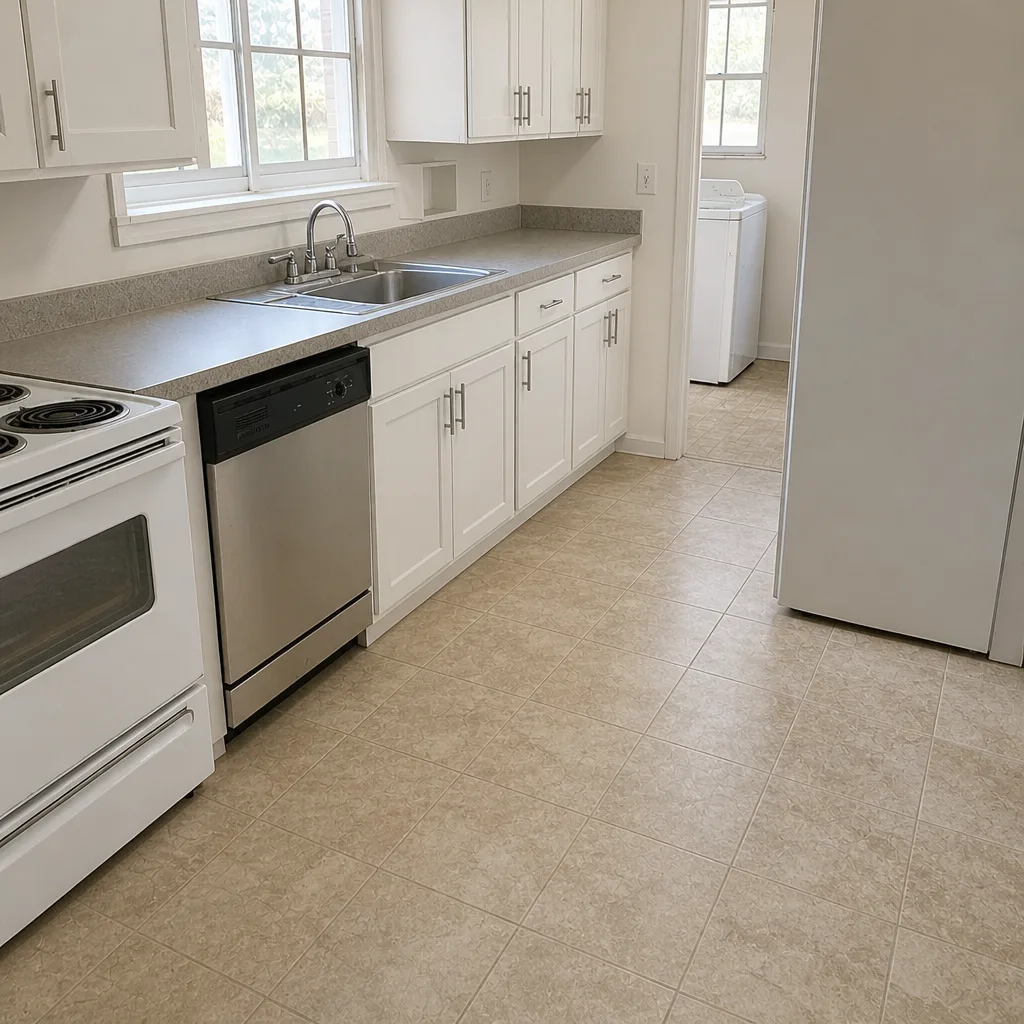
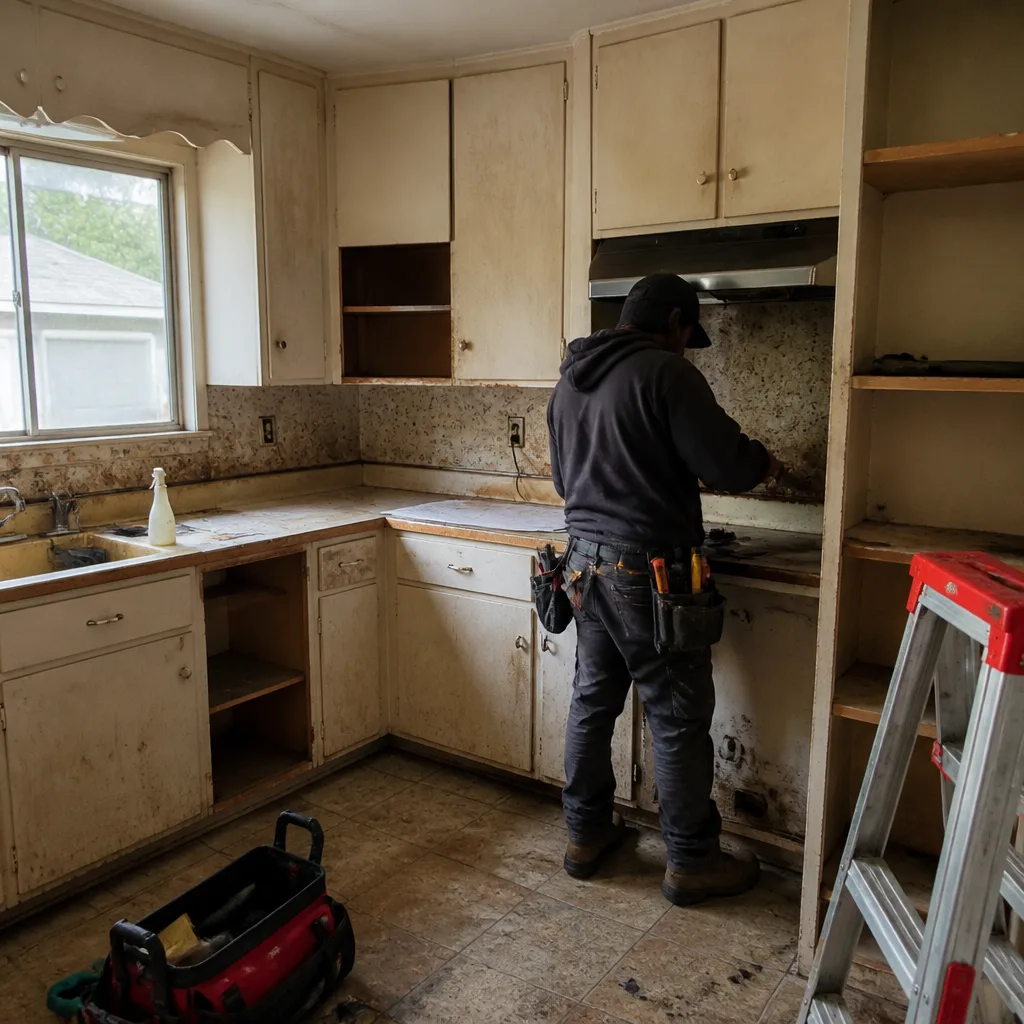
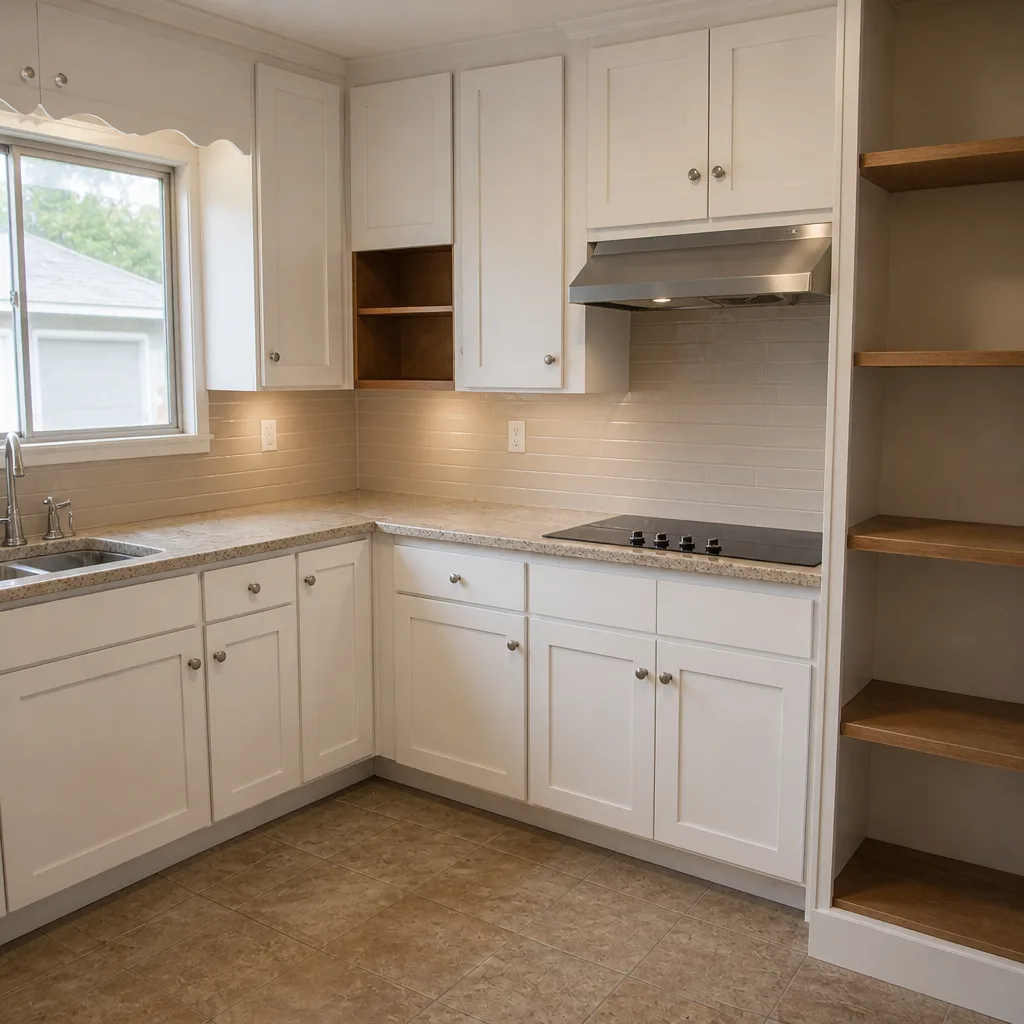
See the difference
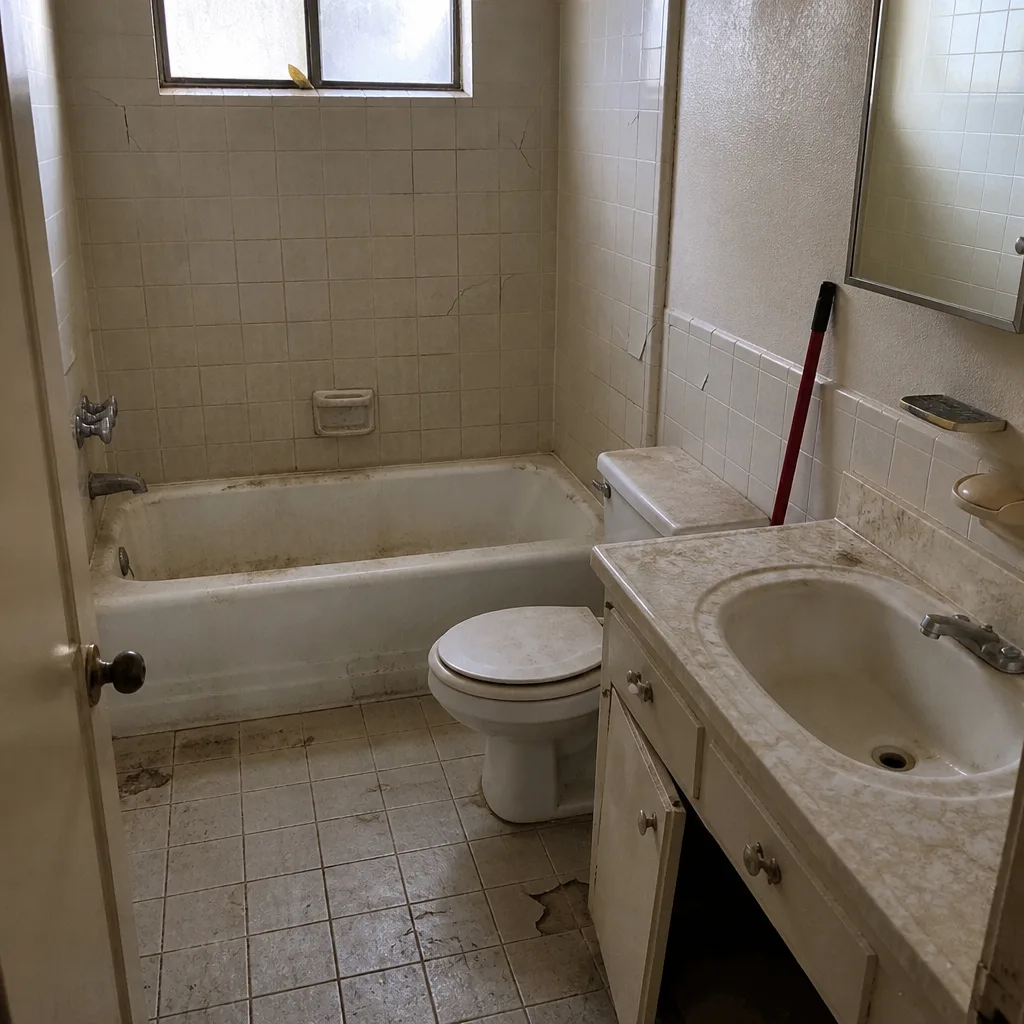 Before
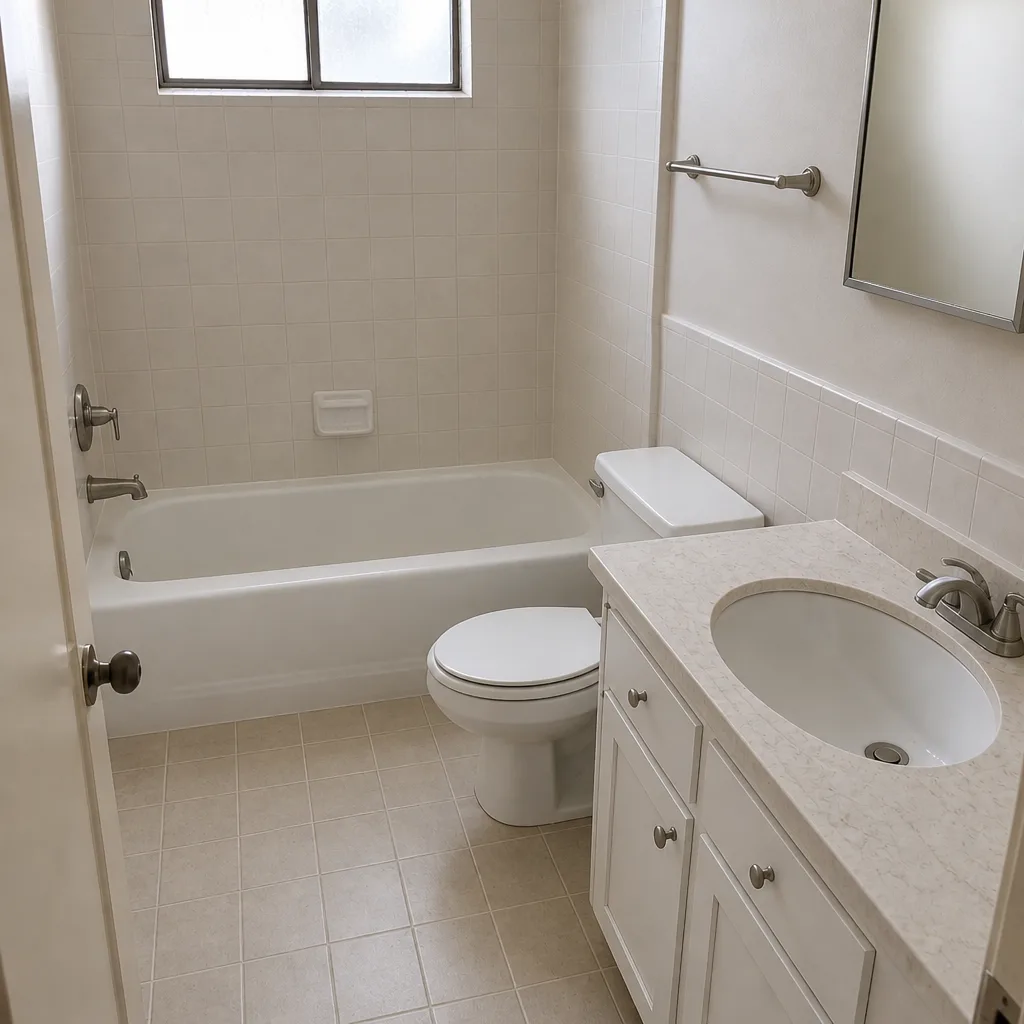 After
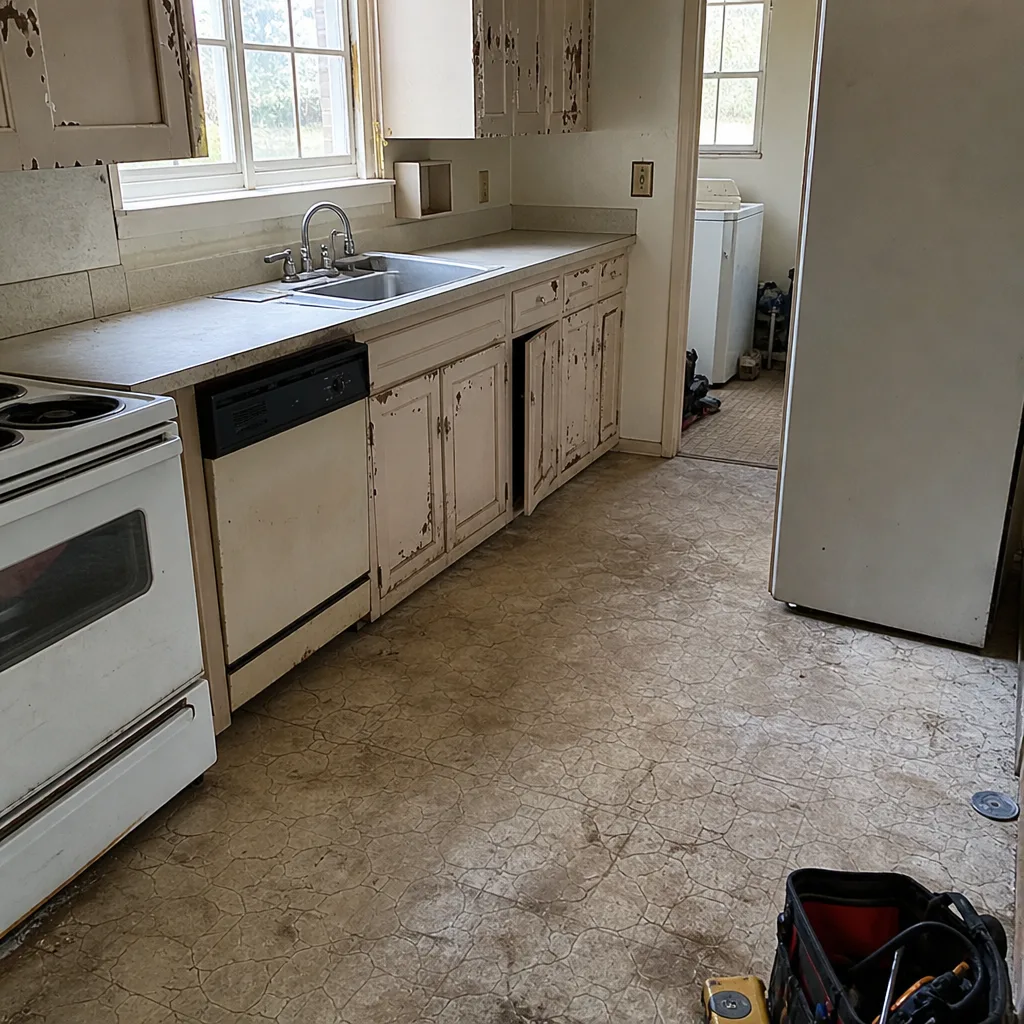 Before
 After
 Before
 After
When to Call a Professional
Get a professional assessment when cracks change over a season, when doors or windows stick across multiple openings on the same side of the house, when a retaining wall bows or bulges, when interior stains grow or return, or when a past repair keeps failing in the same spot. Those are the cases where the early signal is worth more than the eventual fix. Roofs, foundations, and retaining walls are the three areas where we never recommend homeowner diagnosis or DIY. Heights, load paths, and soil pressure are not forgiving.
If you’re already planning work, that’s the ideal time to have the warning signs checked too. One contractor across every trade means the foundation note informs the addition plan, the drainage note informs the paver layout, and the roof note informs the window installation. We offer free estimates in Pasadena. Call (844) 905-4587. We answer 24/7. Fast dispatch from 7am to 7pm, Sunday through Friday.
Frequently Asked Questions

The difference is change over time. Normal settling shows as a stable hairline crack that hasn’t moved in a season or more. A structural concern shows as a crack that widens, a crack accompanied by doors or windows that stick, or a diagonal crack that radiates from a wall opening. Photograph and measure any crack, then compare after the next season. Call (844) 905-4587 for a free assessment if a crack has changed.
Yes. Pasadena’s expansive clay soils and older housing stock mean some cracking is nearly universal. The question isn’t whether there’s a crack but whether it’s stable or active. Many cracks are cosmetic and many others signal real movement. A structural assessment is the way to know which one you’re looking at, and estimates are free.
Granule accumulation in gutters and at downspout outlets, bald patches on shingle slopes, lifted or curled flashing at ridges and valleys, and gutters that overflow in a consistent spot during rain. If you see any of these, especially on a roof from lines like GAF or Owens Corning that is showing uneven wear, call (844) 905-4587 to schedule a roof inspection.
Bowing or leaning away from the soil, bulging at the base, heavy or recurring efflorescence, and blocked weep holes are the key signals. Bowing and bulging are urgent and need evaluation. Efflorescence and blocked weep holes point to a drainage fix before the wall fails. Estimates for wall assessment are free.
It can be. Unpermitted electrical, plumbing, and structural work may not meet code and may not have been inspected. The visual tells include mismatched materials, structural changes with no record, shortcuts at plumbing and electrical fixtures, and sloppy finish transitions. If you’re buying a Pasadena home, check the permit history for the address and have anything questionable assessed before closing.
Yes. We handle seven service lines under one contractor: driveway & pavers, fence installation, home additions & ADU, bathroom remodeling, windows & doors, roofing, and kitchen remodeling. That means a foundation or drainage finding from one trade informs the others instead of waiting to surface later. You can see the full scope at Construction Pasadena. Call (844) 905-4587 for a free estimate.
The Bottom Line
The expensive problems in a Pasadena home rarely arrive as a single dramatic sign. They arrive as patterns: cracks that widen over a season, doors that stick and don’t release, grout that keeps opening, walls that bow and weep, stains that return after every storm, and work that was done without a permit and left tells behind. Reading your house is a skill, and a seasonal walkthrough with photos and a ruler is the simplest way to build it. One pattern is worth a professional look. One contractor across every trade, from the driveway to the roofline, means the finding in one area doesn’t get lost in the next. Your house is telling you something. Learn to read it, and call a professional when it repeats.
Our technicians have up to 12 years of experience, and we bring named materials you can look up before you commit across every trade. Call (844) 905-4587 for a free estimate. We answer 24/7. Fast dispatch from 7am to 7pm, Sunday through Friday. We’re closed on Saturday.
Written by the team at Construction Pasadena.