Last updated November 17, 2026
Free written scope consultation - allowances, timeline, and change-order rules on paper before a single trade is scheduled
Construction Permits, Codes & Inspections in Pasadena, CA: What You Need to Know
Most homeowners in Pasadena assume California’s statewide building code is the whole story. It isn’t. Pasadena runs its own permit counter, its own plan check queue, and its own historic preservation review, so a project that sailed through in a neighboring city can stall here for reasons nobody warned you about. Some of the work you’d consider “too small to permit” – a tall fence, a shade pergola, a straight HVAC swap – needs a permit in Pasadena. And in a historic district, unpermitted work can mean removal and restoration rather than a friendly retroactive sign-off. This guide walks through the actual local process: the permit types, the timelines, the inspection stages, and how ADU rules interact with state law.
Quick Answer
In Pasadena, most residential construction – additions, ADUs, remodels that move walls or plumbing, fences over the standard height, pergolas, re-roofs, window replacements that change size or opening, and HVAC changeouts – requires a permit from Pasadena Building and Safety, and properties inside an HPOZ (Historic Preservation Overlay Zone) also need a Certificate of Appropriateness from the Design and Historic Preservation section. Over-the-counter approvals are possible for simple, clearly scoped work, while standard plan check and historic review add weeks to the front end of a project. The cost of skipping the permit is almost always higher than the permit itself.
Styles & brands we work with
- Kitchen remodeling
- Bathroom remodeling
- Home additions & ADU
- Roofing
- Windows & doors
- Driveway & pavers
- Fence
Table of Contents
- Which Permits Does Pasadena Building and Safety Issue?
- How Do HPOZ Rules Change a Pasadena Project?
- How Long Do Pasadena Plan Checks Take?
- What Happens at a Pasadena Inspection?
- ADU Permits: State Preemption vs. Pasadena’s Process
- Matching Your Project to the Right Permit
- Local Codes That Trip Up Homeowners
- Common Mistakes to Avoid
Which Permits Does Pasadena Building and Safety Issue?
Pasadena issues residential permits across roughly a dozen categories. The tricky part isn’t the obvious ones – a full addition or an ADU – it’s the categories homeowners routinely miss because the work feels small or because a neighboring city doesn’t bother with them.
The main residential permit types break down like this:
- Building permits for new construction, additions, ADUs, structural alterations, and major remodels. These trigger the full plan check.
- Electrical permits for panel upgrades, new circuits, EV chargers, and any work beyond a like-for-like fixture swap.
- Plumbing permits for fixture relocations, gas line work, water heater replacements, and repiping.
- Mechanical permits for HVAC changeouts, ductwork modifications, and new appliance venting. Pasadena is more rigorous than many cities here – a straight HVAC system replacement is not a handshake-and-go job.
- Roofing permits for full reroofs and any structural sheathing replacement. Roof coverings have their own code requirements, including fire classification and, in some cases, thermal performance.
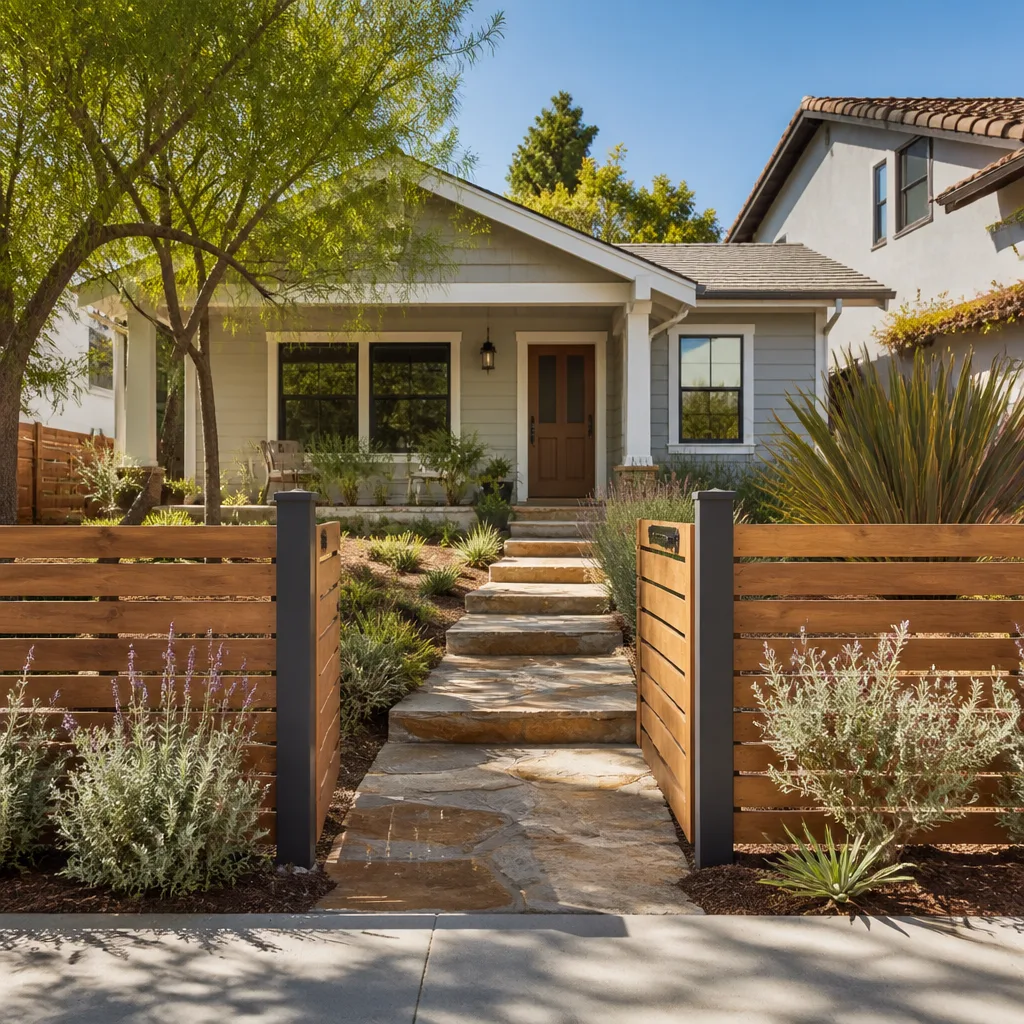
- Fence and wall permits for fences above the height thresholds set in the zoning code, retaining walls beyond a low threshold, and any fence in the front setback or on a corner lot where sight lines are regulated.
- Pergola and shade structure permits – one of the misses we see most often. Freestanding or attached shade structures that can be walked under typically need a building permit even when they look “decorative.”
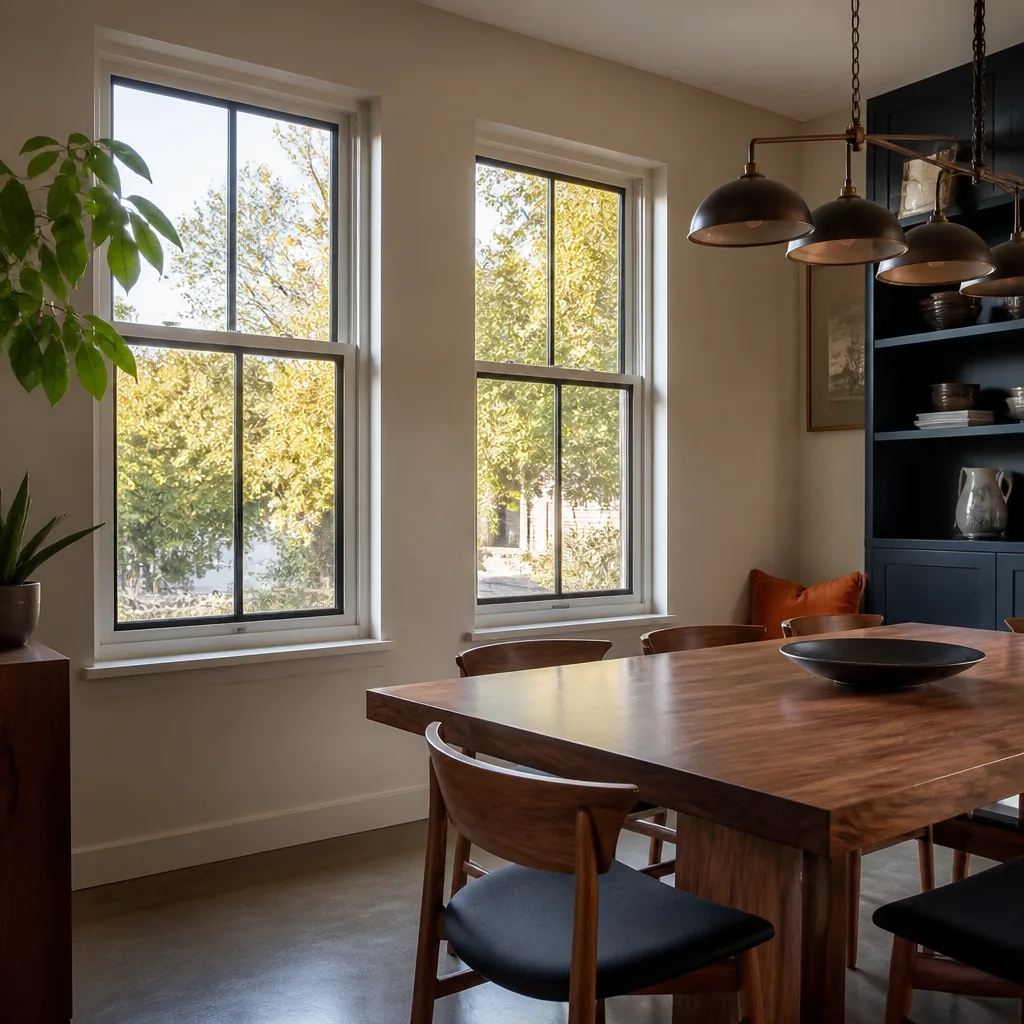
- Window and door replacement permits when the opening size changes, when egress or structural framing is affected, or when the property is in an HPOZ.
- Swimming pool and spa permits, including the pool safety barrier compliance that has to pass inspection.
- Grading and excavation permits for site work that moves meaningful volumes of soil.
- Demolition permits before any structure comes down, with separate HPOZ review if the structure is a contributor to a historic district.
- Sign and accessory structure permits for detached garages, sheds over a size threshold, and similar outbuildings.
If you’re not sure whether your scope crosses a line, the answer to “does this need a permit” in Pasadena is more often yes than in nearby jurisdictions. We plan every project around that assumption rather than discovering it mid-job. Our Construction Pasadena team treats the permit timeline as part of the project schedule, not a detour from it.
How Do HPOZ Rules Change a Pasadena Project?
If your property sits inside one of Pasadena’s Historic Preservation Overlay Zones, the rules that govern your project stack. You still have to meet the building code, but on top of that you have to meet design guidelines overseen by a preservation-focused commission, and the trigger isn’t just structural work. It can extend to exterior alterations, window changes, fences, hardscape, and, in some districts, paint and even the plants in the front yard.
Pasadena’s HPOZ guidelines aren’t decorative suggestions. They define what’s appropriate in terms of massing, setback, roof pitch, materials, and visible detailing, and the preservation commission reviews proposed work against them. For a homeowner, three things matter most:
- Determine your HPOZ status before you measure anything. The city’s zoning map and historic preservation listings tell you whether your parcel is inside an overlay zone. This should be the first call you make, ahead of talking to a designer.
- Prepare a Certificate of Appropriateness application. This is the formal approval that says your proposed exterior work is consistent with the district guidelines. It typically requires drawings, a materials schedule, and, for visible changes, photos or contextual information about neighboring properties.
- Expect a pre-application meeting and a hearing. Minor “minor” work can move on a consent calendar. Anything more substantial – additions, window changes across a facade, a new structure visible from the street – has to be presented, and presented well, to the commission.
The expensive part isn’t the approval, it’s getting it wrong. Unpermitted work in an HPOZ doesn’t just face retroactive sign-off, it can trigger a demand that the alteration be removed and the original appearance restored. We’ve seen this drive homeowners to redo a finished fence or repaint a restored porch because the design moved before the paperwork did. The lesson: sequence the Certificate of Appropriateness before the material order. When we handle fence installation inside a historic district, “does the design fit the guidelines” gets answered before anyone touches a post.
How Long Do Pasadena Plan Checks Take?
Plan check timing in Pasadena varies by permit type and scope. The three realistic tracks are over-the-counter, standard plan check, and historic review. Expect them to run very differently.
Over-the-counter (OTC) approvals work for simple, well-documented scopes – like-for-like water heater replacements, straightforward reroofs, some window replacements outside HPOZs, and small electrical or plumbing jobs. OTC still requires a complete submittal. A missing detail on the drawing set can turn a same-visit approval into a formal review, so the quality of your submittal matters more than the scope size.
Standard plan check applies to additions, structural remodels, new construction, ADUs, and anything requiring coordinated architectural, structural, and energy documentation. The reviewer issues corrections, the design professional responds, and the cycle repeats until the permit is clear. First-cycle approvals exist but are not the norm, and each response cycle consumes time on both ends.
Historic review (HPOZ, landmarks, designated districts) adds a design review phase that runs parallel to or ahead of plan check. The Certificate of Appropriateness process includes its own application, staff review, and, in many cases, a hearing schedule, so the historic review becomes the long pole.
The real driver of any timeline isn’t the building department – it’s the completeness of the drawings and the accuracy of the scope. A clean, complete, correctly detailed submittal that anticipates common corrections moves through the counter on a different timeline than a set that gets bounced back three times. That’s why we sequence drawings, engineering, and materials decisions before the submittal, not after. Our technicians have up to 12 years of experience reading Pasadena’s corrections and getting projects through plan check cleanly.
What Happens at a Pasadena Inspection?
Inspections in Pasadena aren’t adversarial, but they are formal. The inspector reports to the building official and works from the approved plans and the code, so what matters is whether the work matches what was approved. Your field crew’s job is to make the installation legible and the paperwork in order by the time the inspector arrives.
A typical residential build goes through several inspection stages:
- Pre-site and footing/foundation inspections confirming excavation, reinforcement, and setbacks before concrete goes in.
- Structural framing inspection, hitting shear walls, hold-downs, hardware, and connections.
- Rough plumbing, electrical, and mechanical inspections before walls are closed. These often combine into one or two visits.
- Insulation and thermal envelope inspections, especially relevant for additions and ADUs where the energy code compliance has to be verified.
- Drywall and interior finish approvals, usually as a walk with the inspector before ceilings are closed over.
- Final inspections for each trade and a final building inspection to confirm the as-built matches the approved plans.
Failed inspections affect timelines in two ways. First, the corrective work itself eats schedule. Second, you have to book a re-inspection, and re-inspection slots sit in the queue behind scheduled inspections. The best defense is a pre-inspection walk by the crew, with a checklist against the plans. In our experience, the failures that cost the most time aren’t structural problems – they’re small missing items (a nail plate, a missing smoke/CO detector, a fire-blocking detail) that the field crew could have caught twenty minutes before the inspector arrived.
ADU Permits: State Preemption vs. Pasadena’s Process
ADUs are where California state law and Pasadena’s local process intersect most visibly. The state has required cities to approve qualifying ADUs ministerially – without discretionary hearings – and to limit the conditions a city can impose, especially on converted or interior ADUs. Pasadena has to comply with that framework, which is good news for homeowners.
Here’s the part the state’s framing doesn’t tell you: ministerial approval still requires a permit, still requires plan check, and still intersects with the local zoning questions the state left the city to enforce. The most common sticking points:
- Setbacks and height. State law limits how much a city can require, but the exact dimensions that apply to your lot depend on which design path you take. Both standard construction and prefab units have to be shown to meet those dimensions on your site.
- Parking. Many ADU projects can’t legally be required to add parking, but that’s contingent on the ADU type. Interior conversions and ADUs near transit get the strongest protections.
- Fire access and utility connections. Even a state-protected ADU needs a legal path for fire trucks and proper connections – which means electrical, gas, water, sewer, and often a panel upgrade. Those are permit-required work coordinated with the ADU building permit.
- HOA and deed restrictions. These are outside the city’s process, but they’re real. In some Pasadena developments they can dictate what you’re allowed to build even when the city approves it.
- Design review. In an HPOZ, an ADU still meets the historic preservation commission, and in other zones, the design guidelines may apply.
Pasadena’s review timeline for an ADU still includes plan check, utility coordination, and, where relevant, historic review, so the “approved by right” status changes what gets decided, not whether a permit is required. Prefab units (Abodu, Dvele, Mighty Buildings, Boxabl, Plant Prefab, Cover) can compress the construction schedule, but they don’t skip the permit steps for the site work underneath them. If you’re weighing a traditional build against a prefab path, our home additions & ADU team can talk through both against your specific lot.
Matching Your Project to the Right Permit
Different scopes trigger different permits. The table below is a simplified mapping – your specific property can add more (HPOZ, hillside areas, fire zone) – but it helps you see what a given project actually touches.
- Kitchen or bathroom remodel, no wall movement: Building permit (if the scope is more than cosmetic), plus plumbing, electrical, and mechanical permits for any relocated or new fixtures, plus rough and final inspections.
- Kitchen or bathroom remodel with a wall moved: Full building permit, structural drawings if the wall is load-bearing, energy code compliance documentation, and inspection coordination.
- Home addition: Building, planning, structural, energy, electrical, plumbing, and mechanical permits, with the addition’s use and size reviewed against zoning.
- ADU: Building permit plus all trade permits, and a zoning review of setbacks and height. Historic review where applicable.
- Reroof: A roofing permit, with inspection of the deck before the covering goes on if sheathing is being replaced.
- Window or door replacement, same opening, same product class: Often permitted as a smaller scope, but altered openings or changed products (or HPOZ properties) mean full review.
- Fence, pergola, or shade structure: Zoning review plus a building permit where the height or structural nature crosses the threshold.
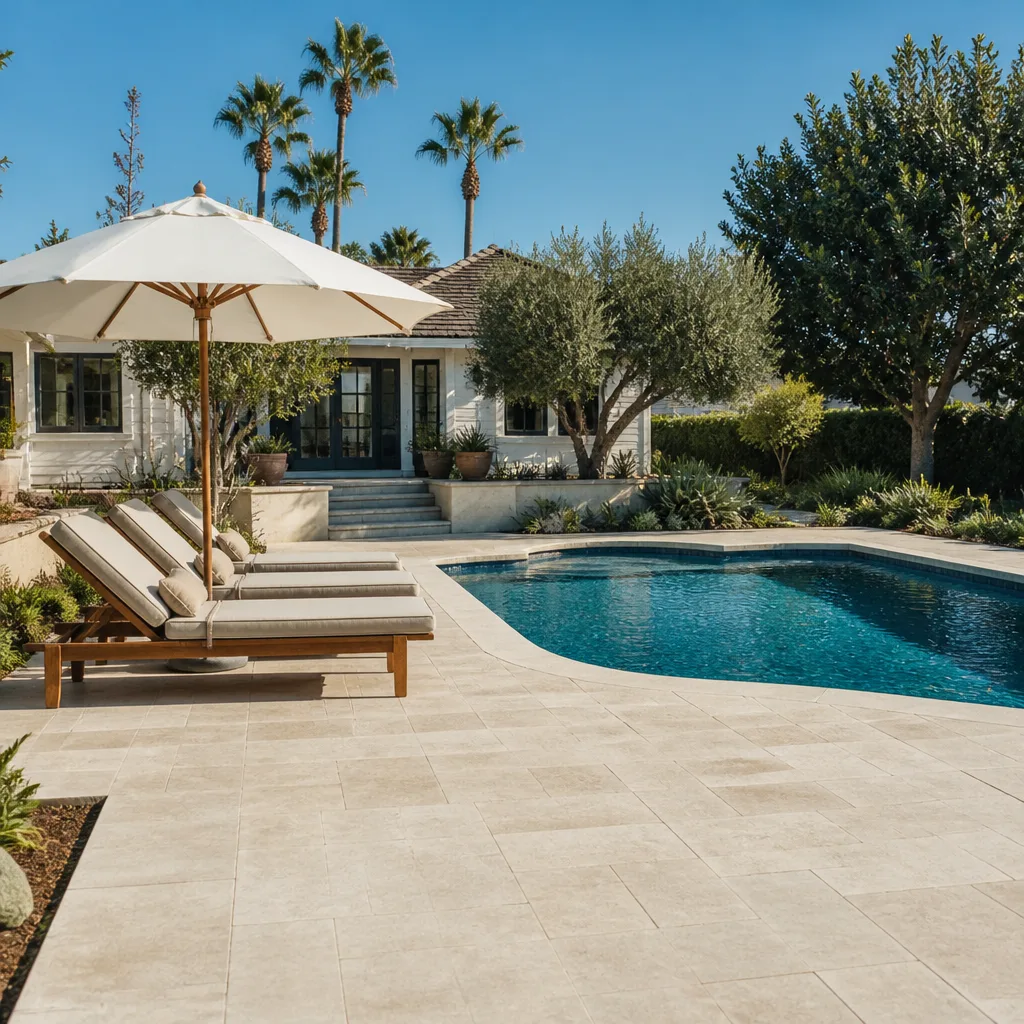
- Driveway replacement or new hardscape: Usually a right-of-way permit if you’re touching the apron and the sidewalk, and a grading permit for significant site work. Drainage matters here – Pasadena’s hillside properties are graded for water management, not just tile. See driveway & pavers for how that plays out on an actual project.
Local Codes That Trip Up Homeowners
California code is written at the state level but amended locally, and Pasadena’s amendments and zoning rules are where many projects get surprised. The themes:
Fire severity zones. Much of Pasadena’s hillside area sits in higher fire severity zones, which triggers stricter requirements on roof covering and exterior materials, eave construction, and, sometimes, ember-resistant venting. Deck additions and hardscape on those properties get more scrutiny than on flatland lots.
Hillside and slope. Properties along the foothills run into grading rules, retaining wall thresholds, drainage requirements, and, sometimes, geotechnical review. A fence or a deck that’s simple on the flatland can need a structural permit and drainage plan on the slope.
Tree protection. Pasadena has protected trees and, in residential zones, review requirements for removing or encroaching on certain tree species and sizes. This directly affects fence lines, driveways, and additions. It’s a planning issue, not a building issue, but it’s a common permit blocker.
Front setback and corner sight lines. Fences and landscaping have to respect sight lines at driveways and intersections. That’s why a fence that’s fine one lot over might not be fine on yours.
Water heater and HVAC changeouts. Even small mechanical replacements require permit and inspection, and Pasadena expects the correct equipment per current code. In bathroom and kitchen scope, plumbing fixtures matter too – we routinely spec Kohler, Moen, Blanco, and Delta, because they carry code-relevant documentation for flush, flow, and pressure performance that makes the inspection cleaner.
Energy code. Additions and ADUs require Title 24 compliance documentation for envelope, lighting, and mechanical systems. It’s always part of the plan check set, never an afterthought.
Common Mistakes to Avoid
- Assuming California code equals Pasadena code. Pasadena’s zoning includes overlay regulations, HPOZ rules, and local amendments that aren’t in the state code. Applying the generic California version is the number one reason a project stalls at the counter.
- Assuming small work doesn’t need a permit. Tall fences, pergolas, HVAC changeouts, and window replacements in HPOZ properties frequently do. If the scope shows up on a final inspection sheet, it’s not a small job to the inspector.
- Ordering materials before historic approval. Windows, doors, fencing, and hardscape in an HPOZ can’t be committed to until the Certificate of Appropriateness is issued. This is where restoration costs come from.
- Submitting incomplete drawings and treating corrections as routine. Every plan check correction cycle costs time. A complete set with energy documentation, structural details, and HPOZ analysis on the first pass is faster and cheaper overall.
- Forgetting the trade permits. The project’s building permit is the headline, but electrical, plumbing, and mechanical permits and inspections have to be sequenced alongside it. Roofing and site work add their own permits on top.
- Ignoring tree protection and right-of-way rules. In Pasadena, the tree question and the sidewalk/driveway apron question can block a project filed otherwise perfectly. They belong in the pre-design conversation.
- Planning an ADU as if it were a piece of furniture. State preemption makes ADUs easier to approve, but the site work, utility connections, fire access, and HPOZ review still apply. Budget the permit timeline for a real building permit, not a ministerial formality.
See the difference
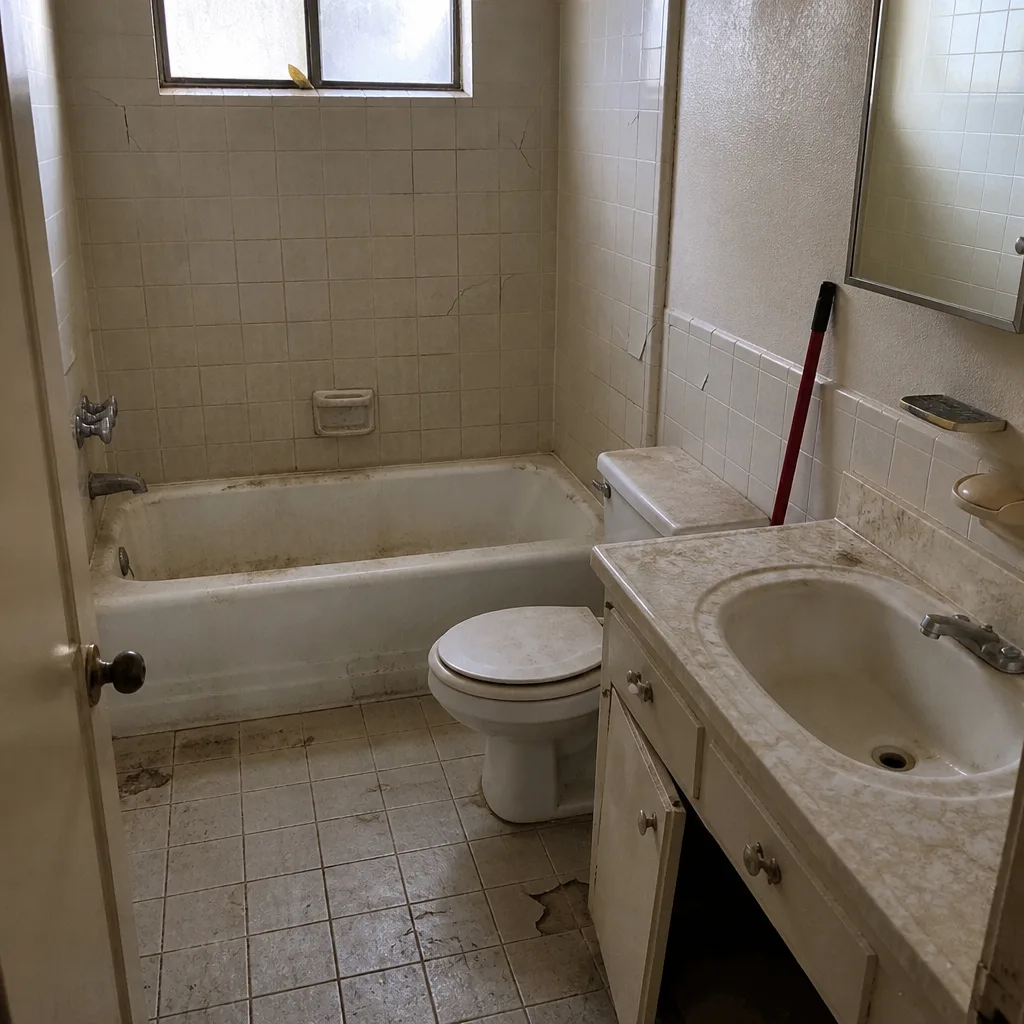 Before
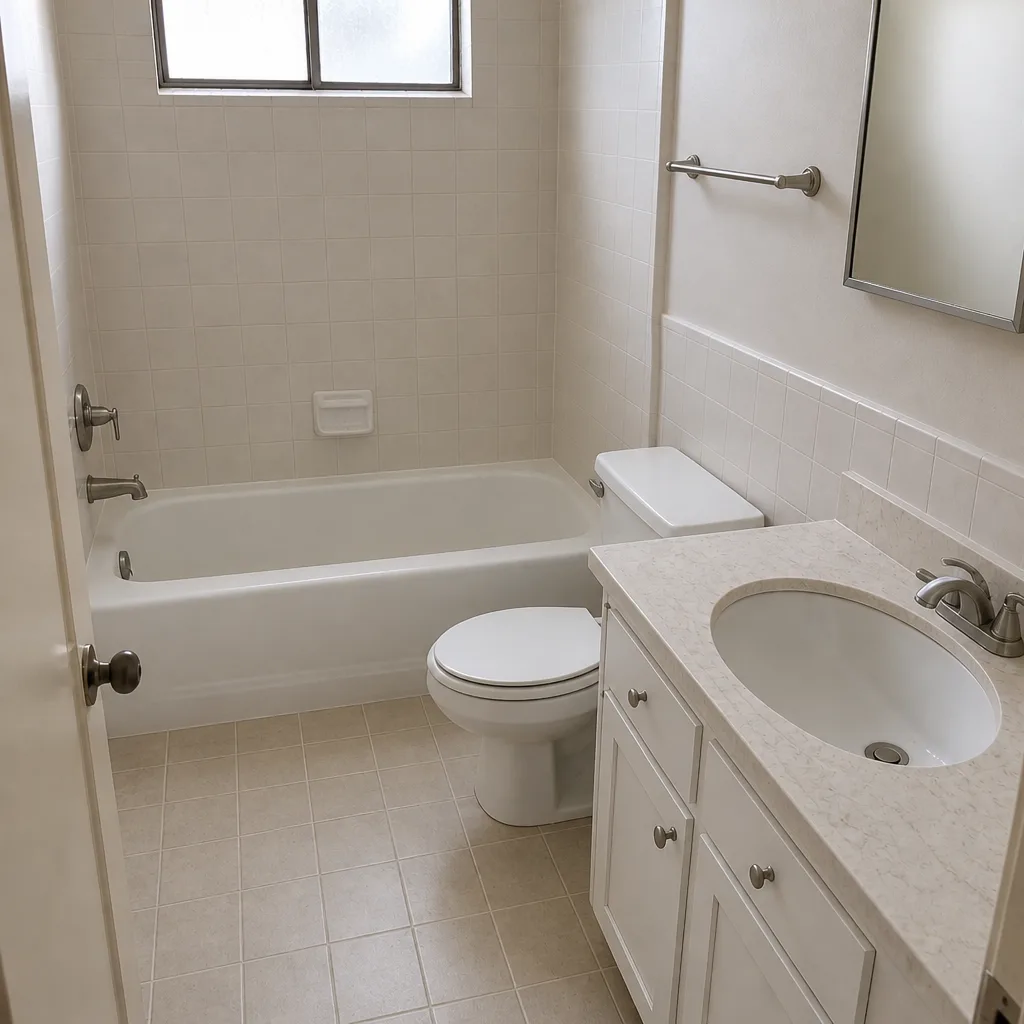 After
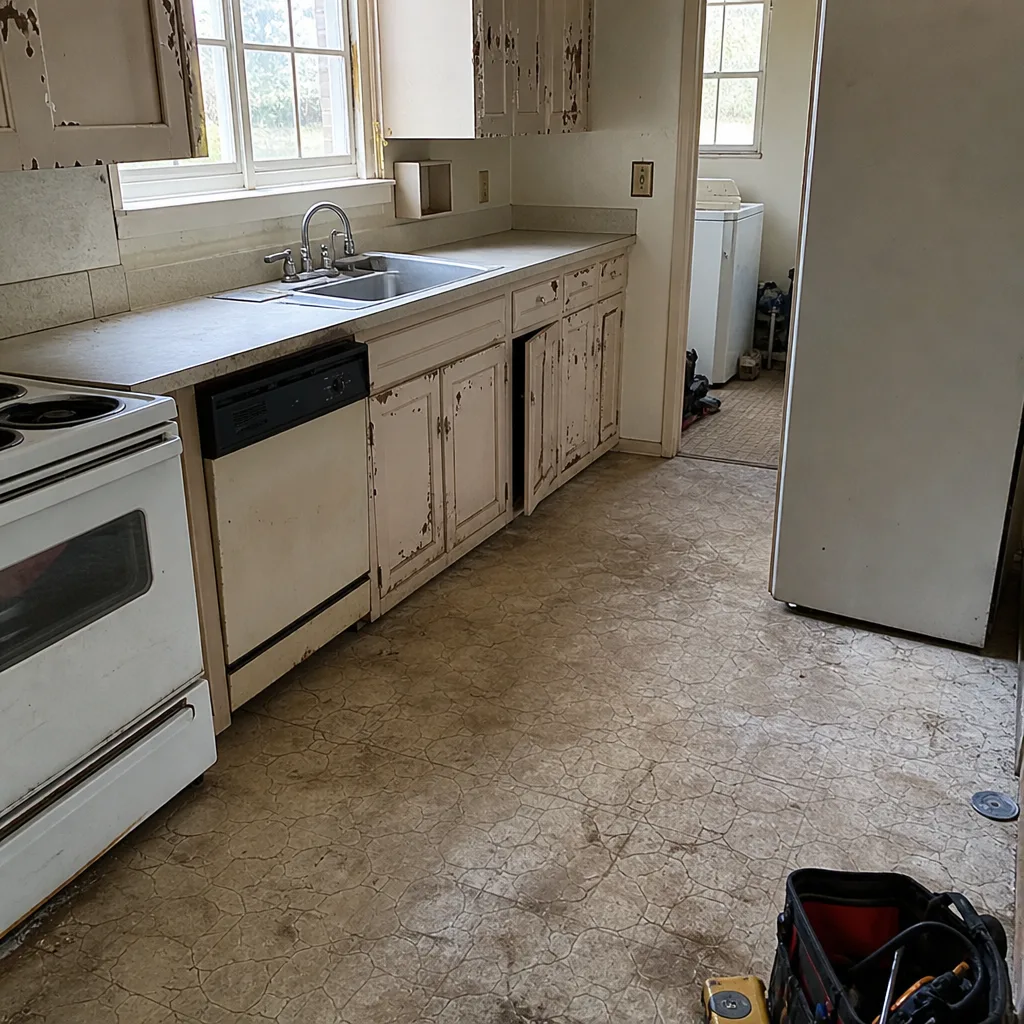 Before
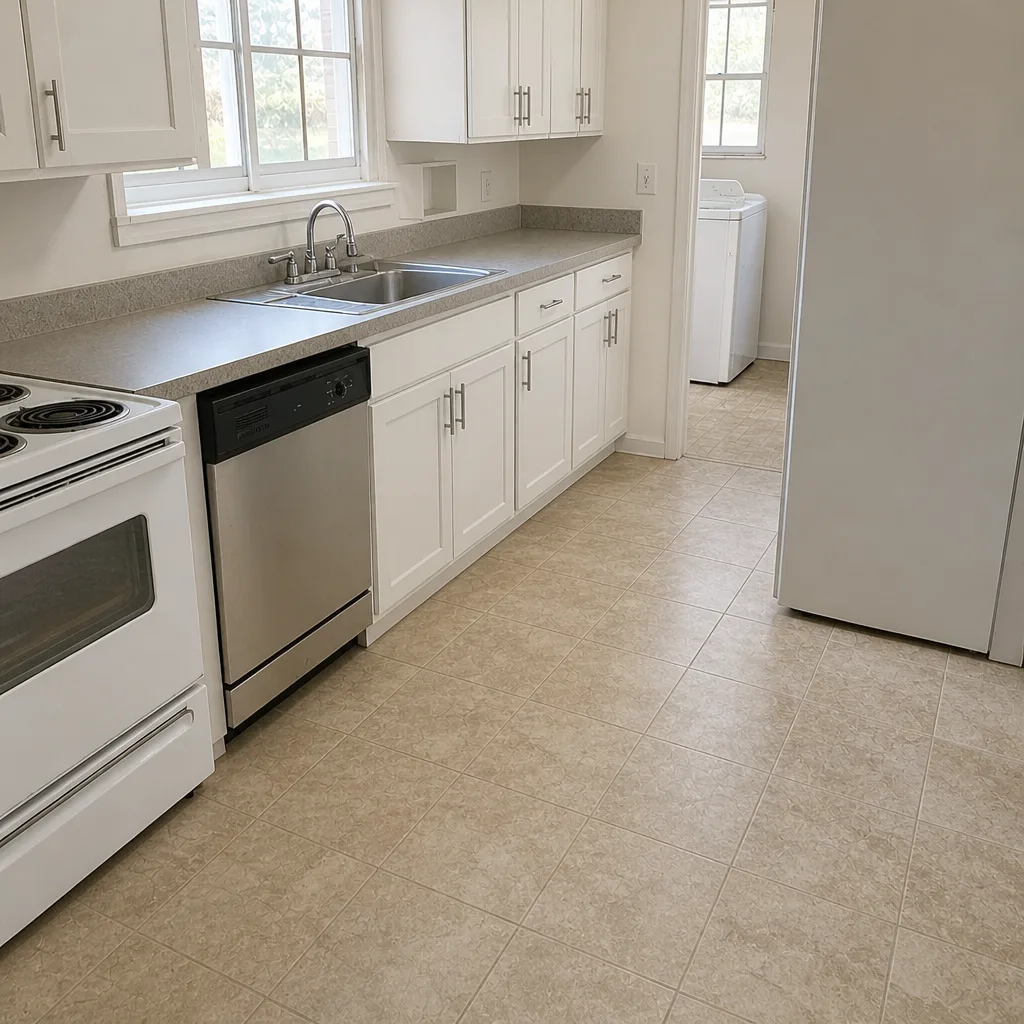 After
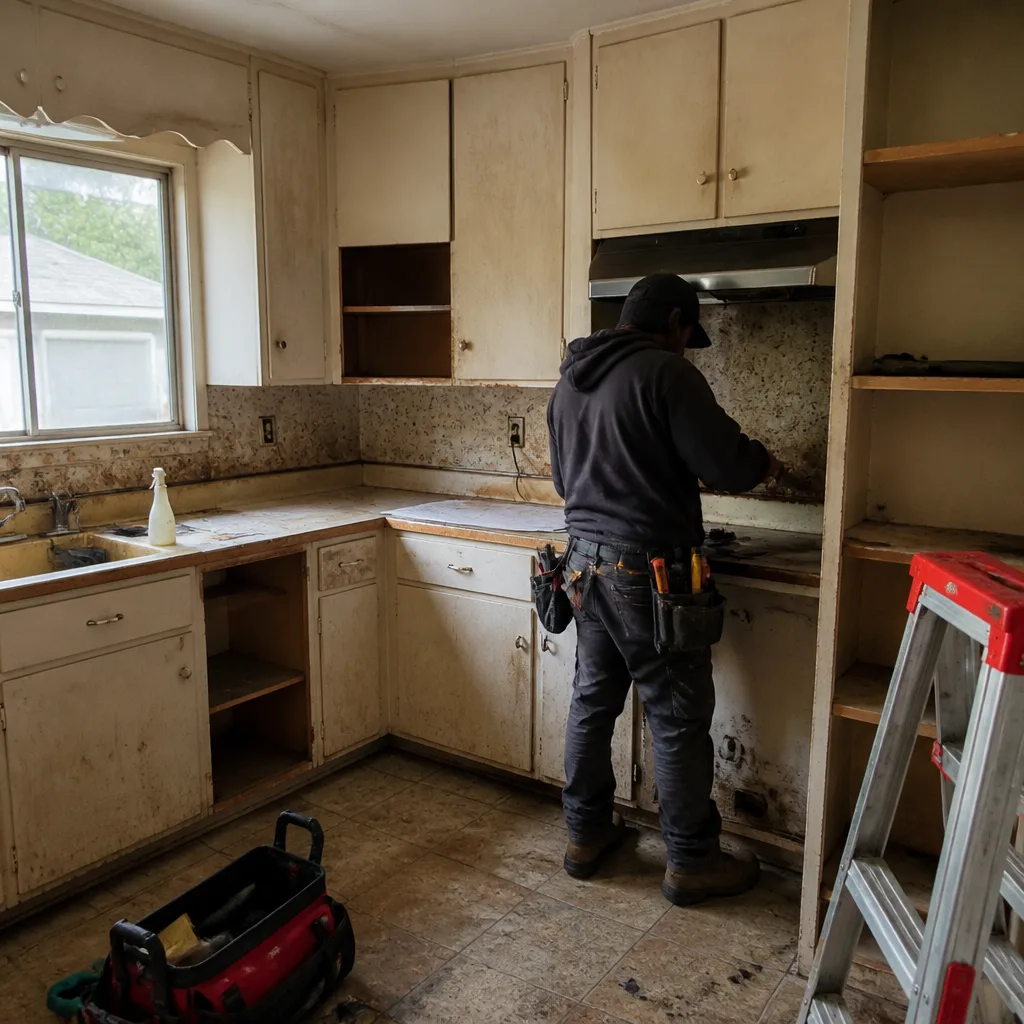 Before
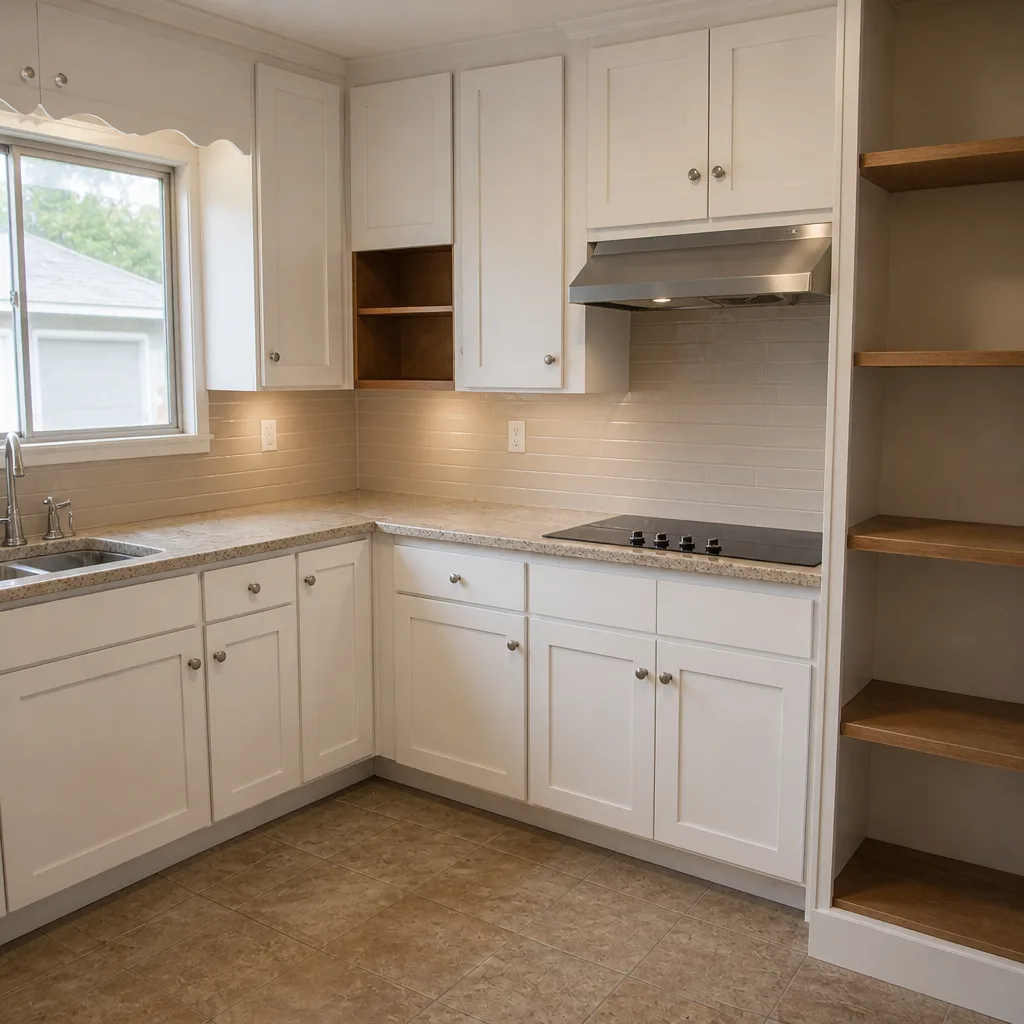 After
When to Call a Professional
A permit set that touches structural, energy, historic preservation, and multiple trade permits is hard to assemble and harder to explain at a counter. If your project moves a wall, changes a roof, adds a structure, touches an HPOZ overlay, involves a hillside lot, or has an ADU in sight, the draw-down is real – and a missed requirement early costs more than the design fees later. The same is true for fence, driveway, and window projects inside a historic district, where the design and the approval process have to move together. Construction Pasadena handles all of these scopes under one project relationship – from the driveway to the roofline – with free estimates and written line-item quotes. Call (844) 905-4587 for a free estimate in Pasadena. We answer 24/7. Fast dispatch from 7am to 7pm, Sunday through Friday.
Frequently Asked Questions
In Pasadena, building permits are required for new construction, additions, ADUs, structural remodels, pool and spa installations, detached structures above size thresholds, and reroofs, plus fences, pergolas, and shade structures above their height or structural thresholds. Separate electrical, plumbing, and mechanical permits apply to trade work like panel upgrades, fixture relocations, and HVAC changeouts. HPOZ properties add a Certificate of Appropriateness on top of the building permit. If you’re unsure, assuming a permit is needed is the safer call. Call (844) 905-4587 for an exact quote and a scope review; estimates are free.
A building permit confirms your project meets structural, energy, and life-safety codes. A Certificate of Appropriateness is a separate approval, issued by the city’s preservation process, that your exterior work fits the design guidelines of a Historic Preservation Overlay Zone or landmark district. You need the building permit regardless; HPOZ properties need both, and the Certificate of Appropriateness is often the longer timeline. Call (844) 905-4587 to schedule a free estimate and get the sequence right before design starts.
Plan check timing varies widely with the completeness of your drawings and the review path. Simple, well-documented scopes can clear over the counter; structural additions go through standard plan check with one or more correction cycles; and HPOZ properties add design review, a hearing, and the Certificate of Appropriateness ahead of or alongside plan check. The dominant factor is how complete and accurate the submittal is. Call (844) 905-4587 for a free estimate and we can map the realistic sequence for your project.
Unpermitted work has to be brought into compliance, and in a Historic Preservation Overlay Zone the remedy can include removal and restoration of the original appearance at the homeowner’s expense rather than a simple retroactive sign-off. Even outside an HPOZ, unpermitted work complicates sales, appraisals, and insurance, and inspections can’t retroactively approve what isn’t documented. Call (844) 905-4587 to talk through your situation before you build, not after; estimates are free.
Yes. California’s ADU laws limit how a city can deny an ADU and require ministerial approval for qualifying units, but they don’t eliminate the building permit. Plan check, trade permits, utility connections, fire access, and, in HPOZ areas, historic review still apply, and setbacks, height, and parking rules determine which design path works on your lot. Prefab units don’t change that – the site work still has to be permitted. Call (844) 905-4587 for a free estimate on your ADU.
Not on a properly scoped project. Pasadena’s permit process is designed to catch scope gaps before construction, so a complete plan check set and a written line-item estimate give you a fixed path forward. Where surprises do come up – like hidden framing or site conditions found during inspection – we document and price the change before proceeding, and nothing gets done without your approval. Call (844) 905-4587 for a free estimate; the written estimate sets the price.
The Bottom Line
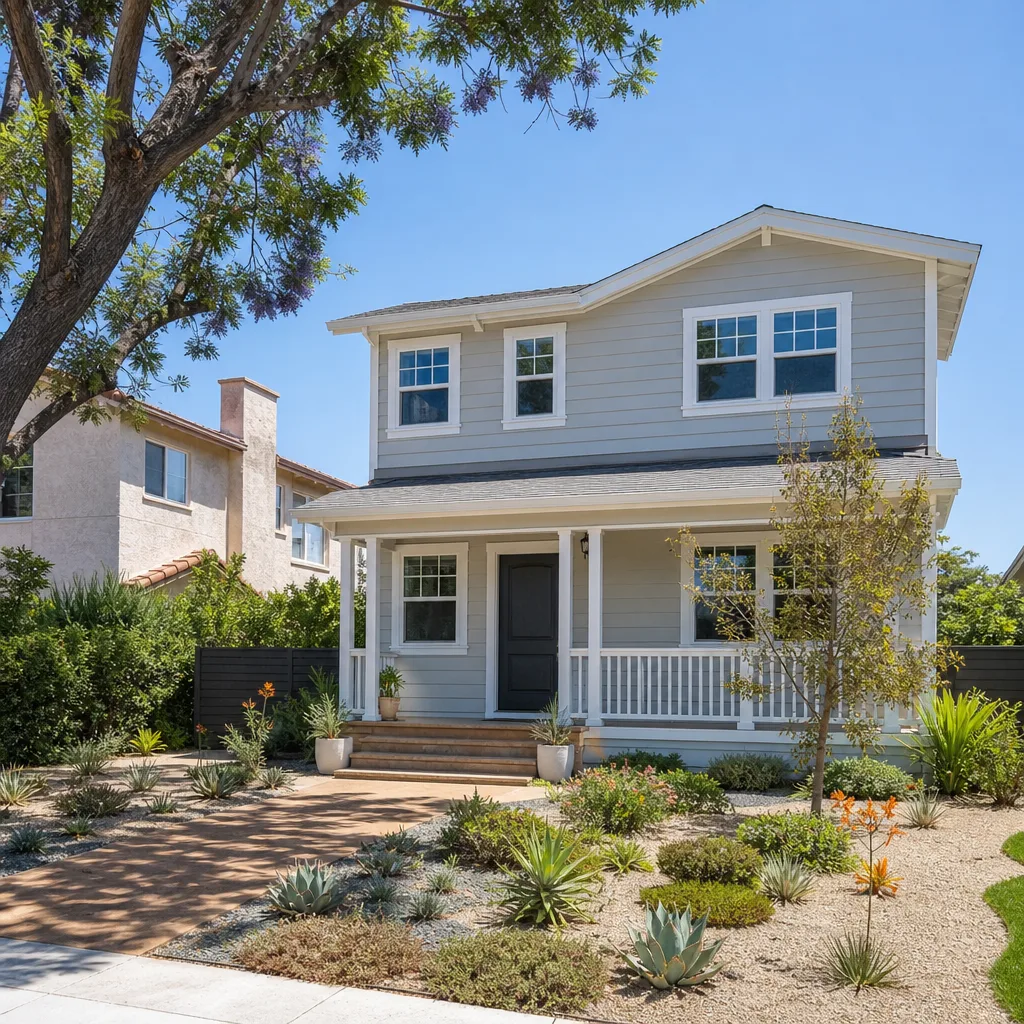
Pasadena’s permit environment is more demanding than most of California. The city runs its own building counter and plan check, layers on historic preservation and hillside rules, and requires permits for scope that other cities wave through. The practical takeaways: check HPOZ status before you design, treat trade permits as part of the project not a formality, plan for the HPOZ and hillside reviews to drive the schedule, and let plan check catch scope gaps before the crew arrives. Get those right and the permit stops being an obstacle. It becomes the part of the project that protects your investment. If you’re planning a project in Pasadena, call (844) 905-4587 for a free estimate. We answer 24/7. Fast dispatch from 7am to 7pm, Sunday through Friday.
Written by the team at Construction Pasadena.