Last updated November 17, 2026

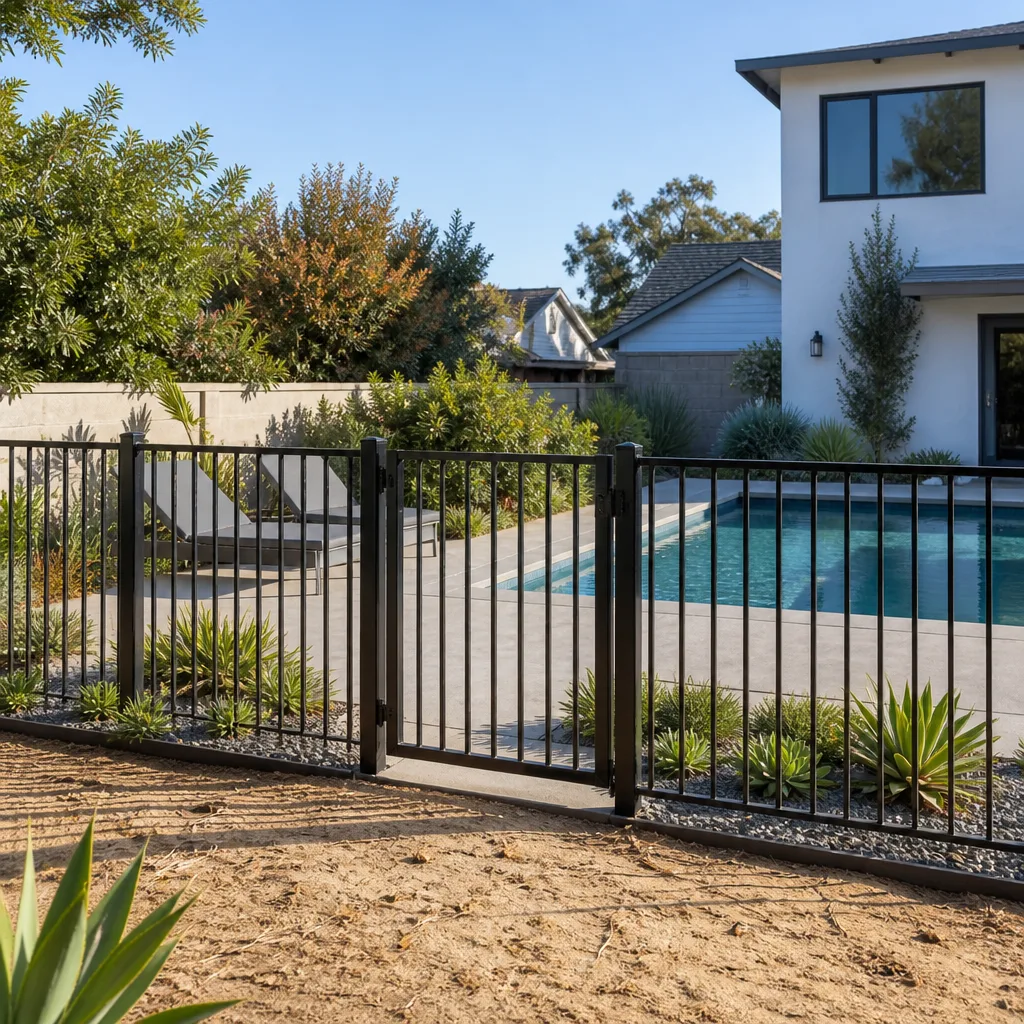


Free written scope consultation - allowances, timeline, and change-order rules on paper before a single trade is scheduled
Driveway & Pavers Maintenance Checklist for Pasadena Homeowners
Most driveway problems in Pasadena don’t start with the driveway. They start at the base, under the surface, where tree roots travel and water collects after a long dry season. Homeowners often blame the installer when pavers shift or concrete cracks, but in our experience the real culprit is a base that was never designed for what Pasadena yards actually do. The jacaranda and liquid amber trees lining residential streets push roots that reach farther than most people expect, and the stop-start rain pattern here loads a surface suddenly after months of dry weather. This guide walks through what to check each season, how to read the early warning signs, and when a repair is still cheaper than a replacement. You’ll learn a specific sequence of checks built around Pasadena’s wind and rain cycles, not generic concrete advice.
Quick Answer
The core of driveway and paver maintenance in Pasadena is seasonal inspection timed to the local weather: check joint sand and re-sand before the first significant rain in November, inspect for desiccation after each Santa Ana wind cycle in October and March, and watch tree-root movement at the surface edges year-round. Most repairs caught at the joint-sand stage cost a fraction of a full paver re-lay, and most concrete cracks get classified as cosmetic or structural by their width, which determines which repair path applies.
Styles & brands we work with
- Kitchen remodeling
- Bathroom remodeling
- Home additions & ADU
- Roofing
- Windows & doors
- Driveway & pavers
- Fence
Table of Contents
- Why Pasadena Driveways Fail Differently
- The Pre-Rainy Season Check (November)
- The Post-Santa Ana Check (October & March)
- Root Intrusion: The Pasadena Tree Species Problem
- Concrete Crack Classification: Cosmetic vs. Structural
- Documenting Your Driveway Annually
- What to Know About Paver Brands Before You Re-Lay
- The Full-Year Maintenance Calendar
Why Pasadena Driveways Fail Differently
Pasadena sits in a climate with two dominant patterns that shape how hardscape behaves: a long dry season followed by concentrated rain, and the Santa Ana wind cycles that pull dry air across the region in October and again in March. Those two forces work in opposite directions, and together they stress driveway surfaces in a way that coastal or mountain climates don’t.
During the dry months, clay-rich soil under a driveway shrinks and pulls away from slab edges and paver bedding. When the first real rain arrives in November or December, water moves into those gaps and the soil swells back. A concrete slab that was poured as a single piece experiences this cycle as a bending and settling motion. A paver field experiences it as loss of interlock, because the joint sand that holds each unit against its neighbor has been drying out and blowing away for months.
Add tree roots to that equation. Pasadena’s most common residential street trees, including jacaranda, liquid amber, and camphor, have broad root systems that travel under pavement in search of moisture. Roots follow the moisture gradient under a slab and can lift pavers from below with surprising force over a few seasons. We’ve seen this pattern repeatedly in Pasadena, and it explains why two driveways on the same block can age very differently. The trees matter as much as the material.
The practical takeaway: maintenance that only treats the surface misses the two forces doing the real damage. The checklist in this guide is built to interrupt both before they reach the replacement stage.
The Pre-Rainy Season Check (November)
November is the single most important month on the Pasadena driveway calendar. The goal is to have your paver joints and concrete control joints in good shape before the first soaking rain arrives, because water entering a compromised joint does more damage in one storm than a full dry season of normal wear.
Here’s the sequence we recommend for a November inspection:
- Walk the paver field and listen. Step across the surface. Any paver that rocks or sounds hollow underfoot has lost its bedding contact and needs to be lifted and re-set, not just re-sanded.
- Check joint sand depth. The sand in the joints between pavers should sit just below the chamfer, not flush with or below the surface edge. On a Belgard or Unilock field, the joint sand is what locks each unit laterally against its neighbor. When it’s low, the interlock is gone and the field starts to spread.
- Probe the low spots. Water should sheet off the surface. Any spot where water would pond during a rain indicates a settlement problem under the base, not a surface problem.
- Look at the concrete apron and edges. Where the paver field meets a concrete apron or the street, the transition joint is a common failure point. Gaps there will funnel water under the surface.
- Re-sand where needed. Use a joint sand matched to the paver system. If your field used a polymeric product, a compatible polymeric sand is the correct refill. Ordinary sand will wash out faster.
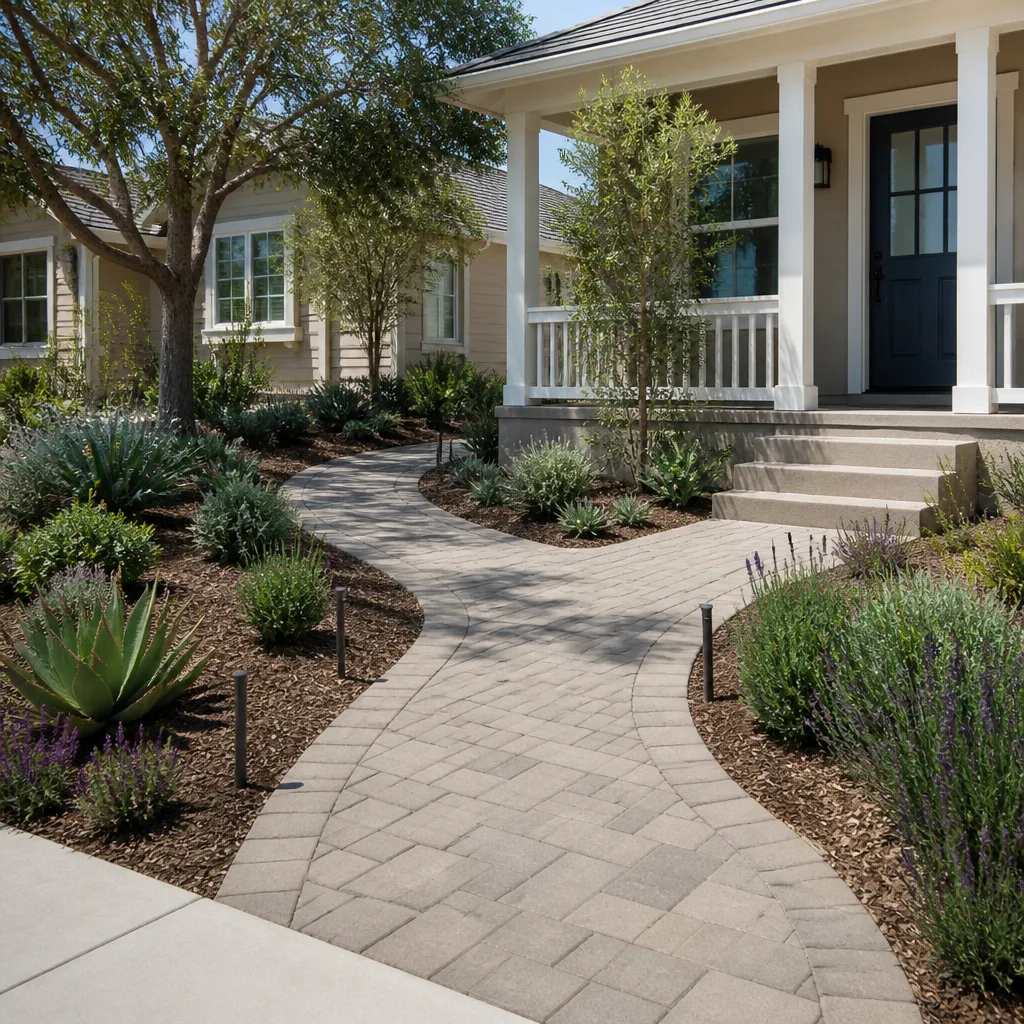
If your field is in good condition, re-sanding is a straightforward job. If sections are already spreading, this is the point to call for a look before the rain adds water to the problem. For anything beyond a simple re-sand, the driveway & pavers scope covers lift-and-relay with proper base correction so the fix holds through the wet season.
The Post-Santa Ana Check (October & March)
The Santa Ana wind cycle pulls dry air across Pasadena in two main windows each year, October and March. The effect on a driveway is subtle but consistent: the wind sucks moisture out of every exposed joint and surface, and it carries fine dust and grit into the joints where it can prevent proper re-bonding. On a paver field with polymeric sand joints, this dry cycle is where the sand begins to fail before the rain ever arrives.
What you can look for after a Santa Ana event:
- Cracking or crumbling in the joint sand. Polymeric joints that have lost moisture will show hairline cracks and start to crumble at the surface. Once the joint sand crumbles, the interlock is degrading.
- Sand blowing across the surface. Fine sand accumulating on top of pavers or at the base of a wall after a windy week is a sign your joints are releasing material.
- Dust film on the paver surface. Wind-blown dust settles into open joints and can plug them before you get a chance to re-sand, which makes the refill less effective.
Now the decision point. A joint that has cracked is a re-sand candidate. A field where multiple pavers have lifted, where lines have gone out of parallel, or where the base has settled is a re-lay candidate. We usually see the difference when a field has dried out and the pavers are no longer locked. If you can push a paver side-to-side with light hand pressure and see movement, the interlock has failed and a re-sand won’t restore it. In that case, a full lift-and-relay with fresh joint sand and any base corrections is the honest fix.
Note that the March window matters as much as October. A field that survived the rainy season still gets stressed by the March wind cycle. Doing a quick post-March joint inspection saves you from discovering joint failure in November when the rain is already falling.
Root Intrusion: The Pasadena Tree Species Problem
Pasadena’s dominant street trees are a pleasure and a maintenance liability in the same package. Jacaranda, liquid amber, camphor, and the older ficus specimens common in some neighborhoods all produce the kind of shallow, spreading root systems that find their way under asphalt, concrete, and paver bedding. The roots travel toward moisture, and a driveway base where water collects after rain is a natural destination.
Early warning signs specific to root intrusion under a paver or concrete driveway:
- Tent-shaped lifting in the middle of a paver field. A cluster of pavers lifting uniformly across a two- to four-foot span usually traces back to a root passing beneath that section.
- A single crack radiating from one edge across a concrete slab. Root pressure lifts one side of the slab, and the crack travels from the point of pressure toward the far edge.
- Paver joint lines going out of parallel near a tree’s drip line. When joints fan outward from a tree, the field is being pushed apart by root pressure at the surface.
- Raised or uneven footing under a side gate or garden wall. Often the first sign, because the wall footing is lighter than the driveway slab.
The critical point is this: root barrier retrofitting while the pavers or slab are still intact is almost always cheaper than pulling up a displaced field. A root barrier is a vertical panel installed along the tree side of the driveway, below grade, to redirect new root growth away from the base. It doesn’t kill the tree and it doesn’t remove existing roots, but it stops the problem from getting worse. The trick is doing it before the surface damage requires pavers to be lifted anyway. Once pavers have to be pulled for a re-lay, the barrier is a natural addition to the job. Once the field has fully and visibly humped, you’re often replacing rather than retaining units.
If you’re not sure whether roots are involved, get an inspection before you invest in a re-sand. Moving surface sand around on a field that’s actually being pushed up from below wastes the effort. This is exactly the kind of question we answer over the phone. Call (844) 905-4587. We answer 24/7. Fast dispatch from 7am to 7pm, Sunday through Friday.
Concrete Crack Classification: Cosmetic vs. Structural
Not every crack in a concrete driveway in Pasadena means the same thing, and the wrong classification leads to either overpaying for a replacement you didn’t need or missing a problem that gets worse. Here’s the simple test we use to sort cracks into two categories.
Cosmetic shrinkage cracks
These are the cracks that appear in almost every concrete driveway as the slab cures and dries. They’re typically hairline width, meaning you can’t slide a dime into them, they run in a relatively straight line, and the two sides of the crack stay at the same level. They may appear in the first year and then settle. A cosmetic crack is ugly but not structural. Filling it with a flexible concrete sealant keeps water out and is usually enough.
Structural movement cracks
These are the cracks caused by a slab that has actually moved. They’re wider than the width of a dime (roughly the point where a crack becomes a structural concern), they may have a visible vertical step on one side, and they often radiate from a corner or follow the edge of a control joint that has opened beyond where it was cut. If a matched paver meets a concrete slab and the slab has settled by a visible fraction of an inch, that’s structural movement.
As a working rule of thumb, here’s how the repair category changes:
- Hairline to a dime’s width, flush sides, no step: clean and seal the crack. Cosmetic repair.
- Wider than a dime, sides roughly flush, or crack continues to open over months: slab-on-grade patching or a joint re-cut. Small structural repair.
- Visible vertical displacement, pooled water at the crack, or crack running under the foundation edge: a lift or partial slab replacement. Significant structural repair.
- Multiple compounding cracks or a slab visibly tented by roots: replacement of the affected section, with root barrier added.
Documentation matters here. Snap a photo of the crack with a coin next to it in the same frame, date it, and keep it. If you ever need to show the crack was stable or expanding over a period of time, that record is your evidence. If you’d rather have a trained eye read the crack, our technicians have up to 12 years of experience classifying concrete movement. Call for a free estimate and we’ll tell you whether it’s a seal-and-monitor situation or a repair that should be done before the rain.
Documenting Your Driveway Annually
A photo record of your driveway taken at the same time each year is one of the least expensive maintenance habits there is, and it pays off in three specific ways: insurance claims, future sale disclosures, and simply knowing whether a repair is holding or slowly failing. Here’s the sequence we recommend once a year, ideally in October before the first rain and before the Santa Ana winds arrive.
- Date-stamp every photo. Use the camera on your phone with the location and date display turned on. A photo without a date is far less useful five years later.
- Shoot the same angles each year. Stand in the same four or five spots on the driveway or sidewalk and frame the same sections. The comparison is what tells you whether a crack is moving.
- Include a coin or a ruler at every crack. Place a coin in the frame next to each crack. That way the width is measurable across years without guessing.
- Photograph the tree bases and edge transitions. The edges where the driveway meets the sidewalk, garage apron, and side walls are where root pressure and water intrusion first show. Make sure at least one photo covers each transition.
- Save to a folder labeled by year. Store the photos alongside any permit records, contractor invoices, or inspection paperwork for the driveway. A folder that holds both the surface record and the paperwork makes both far more useful.
- Note any repair done that year. If you had pavers re-sanded, a crack sealed, or a slab lifted, note the date and the scope. When the same area is failing in a future year, that record tells you the interval and helps a contractor understand what’s already been tried.
For insurance claims and future sale disclosures, this record holds up. A set of dated, measured photos across multiple years is much stronger than a single photo taken after a problem got noticed. If you’re selling a Pasadena home, a documented maintenance history for the hardscape is a genuine asset in the disclosure process.
What to Know About Paver Brands Before You Re-Lay
If you’ve reached the point where a paver field needs more than a re-sand, the material choice matters more than most homeowners expect. Different manufacturers vary in unit thickness, chamfer design, joint-width spec, and color stability, and those details affect how a field behaves under Pasadena’s dry-to-wet cycle. We work with a deep bench of paver lines, and a few of the ones we spec most often illustrate the point.
- Belgard pavers come in systems designed for consistent joint spacing, which matters for interlock stability over a field’s life.
- Unilock pavers offer modular formats that can simplify re-lays where the existing field is partly retained.
- Tremron pavers cover a range of profiles and price points, useful when a homeowner is replacing part of a field while keeping the rest.
- Techo-Bloc pavers span architectural formats for blended-look driveways, which many Pasadena homes with mixed-material facades take advantage of.
The reason this matters for maintenance, not just aesthetics: different paver systems use different joint-sand specifications. If a re-lay uses the wrong sand, the field will fail early even with perfect base work. A contractor who knows the manufacturer’s spec is more likely to install the right sand from the start. If you’re replacing a whole field anyway, this is the moment to consider a system that’s easier to maintain in the local climate rather than simply matching what’s there.
Hardscape depth is one reason we don’t hand pavers off to a general handyman. The Construction Pasadena scope covers the concrete, base preparation, and paver installation in one accountable relationship, which means a re-lay isn’t a coordination project for the homeowner. It’s also useful when a driveway repair happens to overlap with other work on the property, such as the side-yard gate footing or a rear patio. We can scope both under one estimate.
The Full-Year Maintenance Calendar
Here’s the same checklist simplified into a full-year calendar. Print it, put it in your phone notes, and check off each item as you go through the year.
- October (before Santa Ana): Annual photo record. Joint condition inspection across the paver field. Concrete crack classification with a coin in the frame.
- February (during the rainy stretch): Post-storm inspection of joints and edges. Note any area with standing water and photograph it. Check tree base and transition zones.
- March (post-Santa Ana): Second joint inspection. Re-sand any polymeric joints that have cracked or crumbled. Check paver field for spreading.
- November (before the first significant rain): Full pre-rain inspection. Re-sand paver joints to spec. Seal concrete cracks that are hairline or dime-width. Schedule any root barrier work.
Every other year, add a deeper inspection: walk the whole field with a light hammer or screwdriver and tap each paver to listen for hollow spots. Any unit that sounds hollow needs lifting. Photograph the area, log the year, and you have a running record for future questions. If a hollow paver is a single unit failing at a corner, the fix is usually a targeted lift-and-reset. If a whole area is hollow, the base there has likely lost contact and needs correction.
One more maintenance item worth knowing: the side-yard fence and gate. In Pasadena, gate posts often share their footing zone with the driveway edge, and a gate post that’s settling can be the earliest clue that a root has lifted the soil under that corner. If your gate or side fence is part of the property’s overall maintenance scope, fence installation work can address the footing and the gate hardware at the same time as the driveway repair, so the same crew handles both.
If the driveway issue is part of a bigger project, such as converting a detached garage or adding a rear unit, coordinating driveway access with new construction saves a second round of disruption later. Our home additions & ADU scope includes both traditional build and prefab pathways, and the site work underneath stays within one accountability structure. That’s a meaningful advantage when a homeowner is running multiple trades in the same year.
Common Mistakes to Avoid
- Treating pavement color change as a sign the driveway is still healthy. A paver field can look almost right from a distance while joint sand is completely gone and interlock has failed. The joint is the thing to check, not the color.
- Re-sanding on top of sand that has already washed out of the base. If pavers are spreading, the joint sand has likely migrated down into the base. Adding fresh sand on top won’t fix the underlying loss of bedding.
- Assuming every crack means a replacement. Cosmetic shrinkage cracks are common in Pasadena concrete and don’t call for a new slab. Measure the width against a dime before you panic.
- Ignoring the tree base. The single most reliable maintenance mistake we see in Pasadena is treating the driveway as separate from the trees above it. A root barrier added early costs far less than a remedial re-lay.
- Sealing concrete at the wrong time of year. Sealing after the rainy season has started traps residual moisture. Do it in the dry stretch before the rains.
- Skipping the annual photo record. A single photo after a problem appears is nearly useless for insurance or disclosure purposes. What actually helps is the dated comparison across years.
- Letting a gate or side fence footing go unchecked. A settling gate post is often the first sign that root or drainage issues are affecting the driveway edge. Check it during the same annual walk.
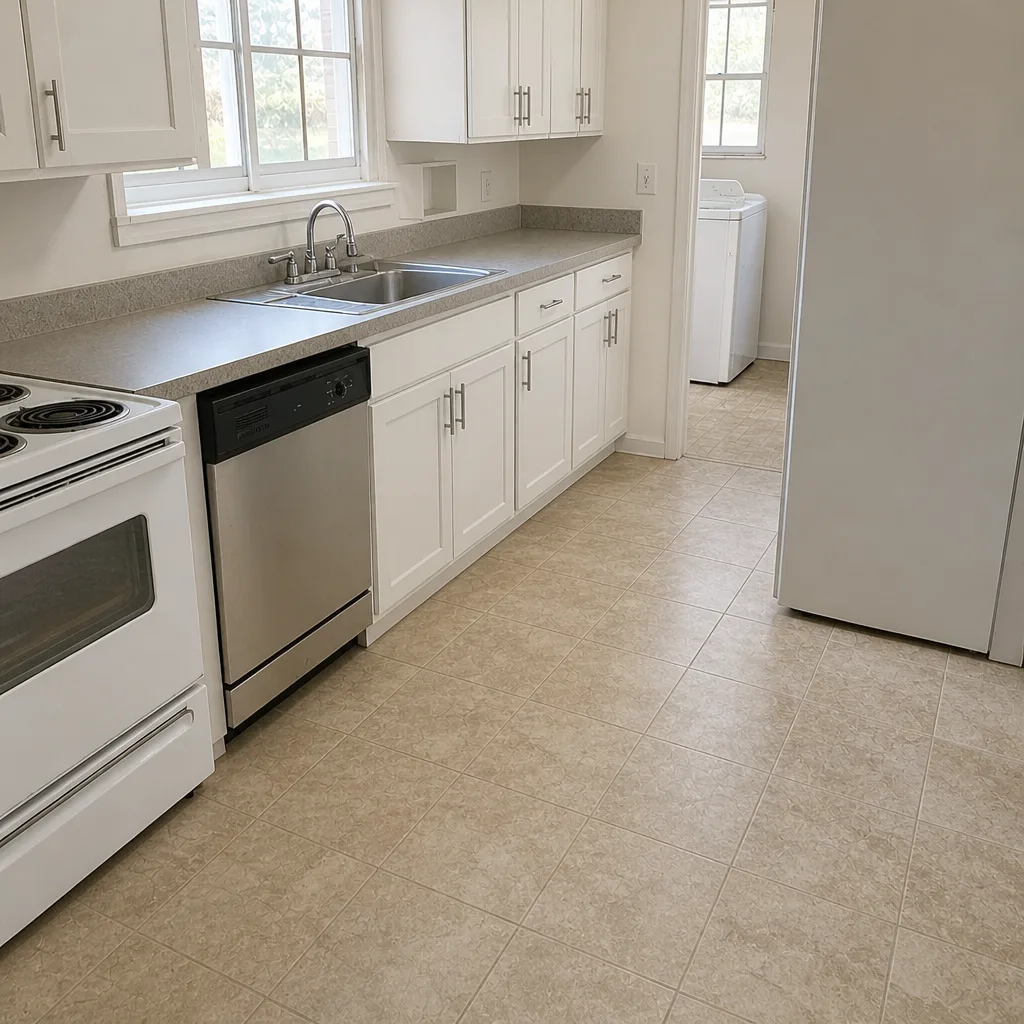
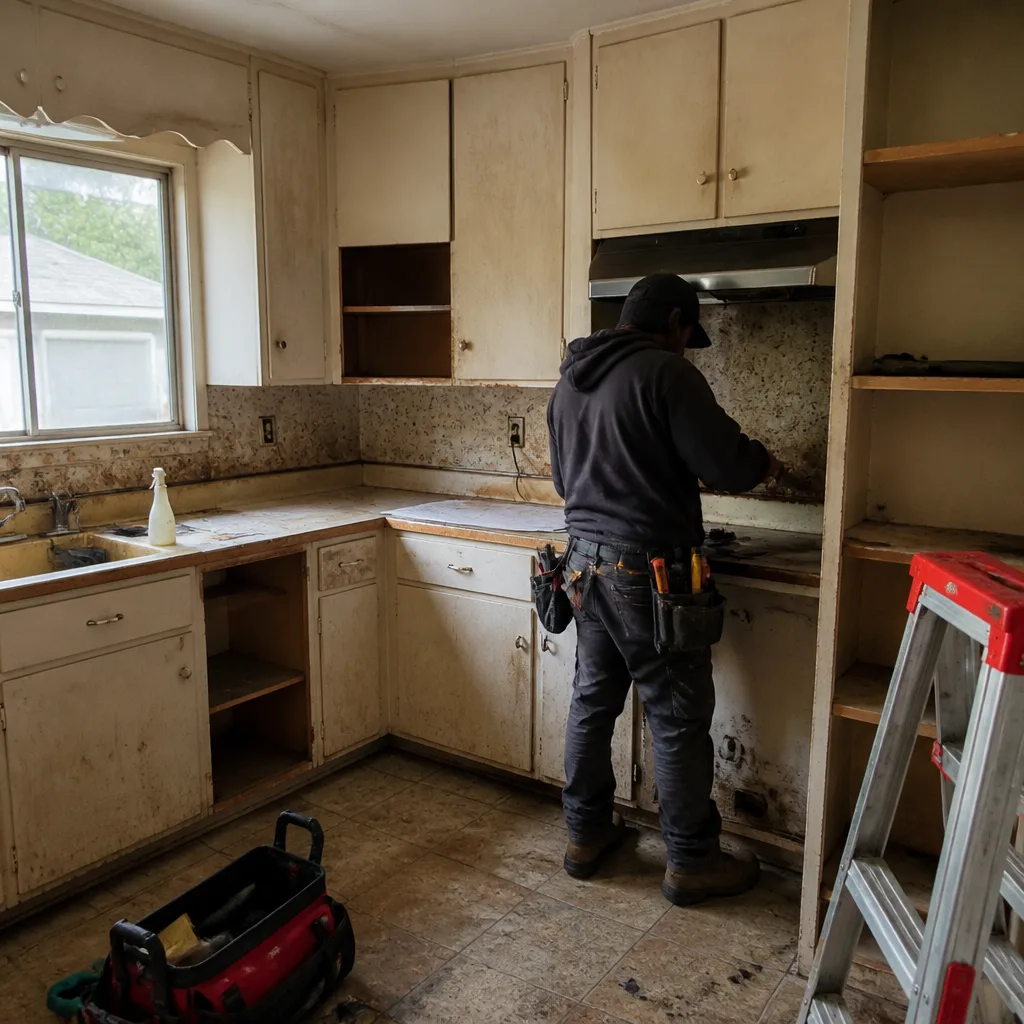
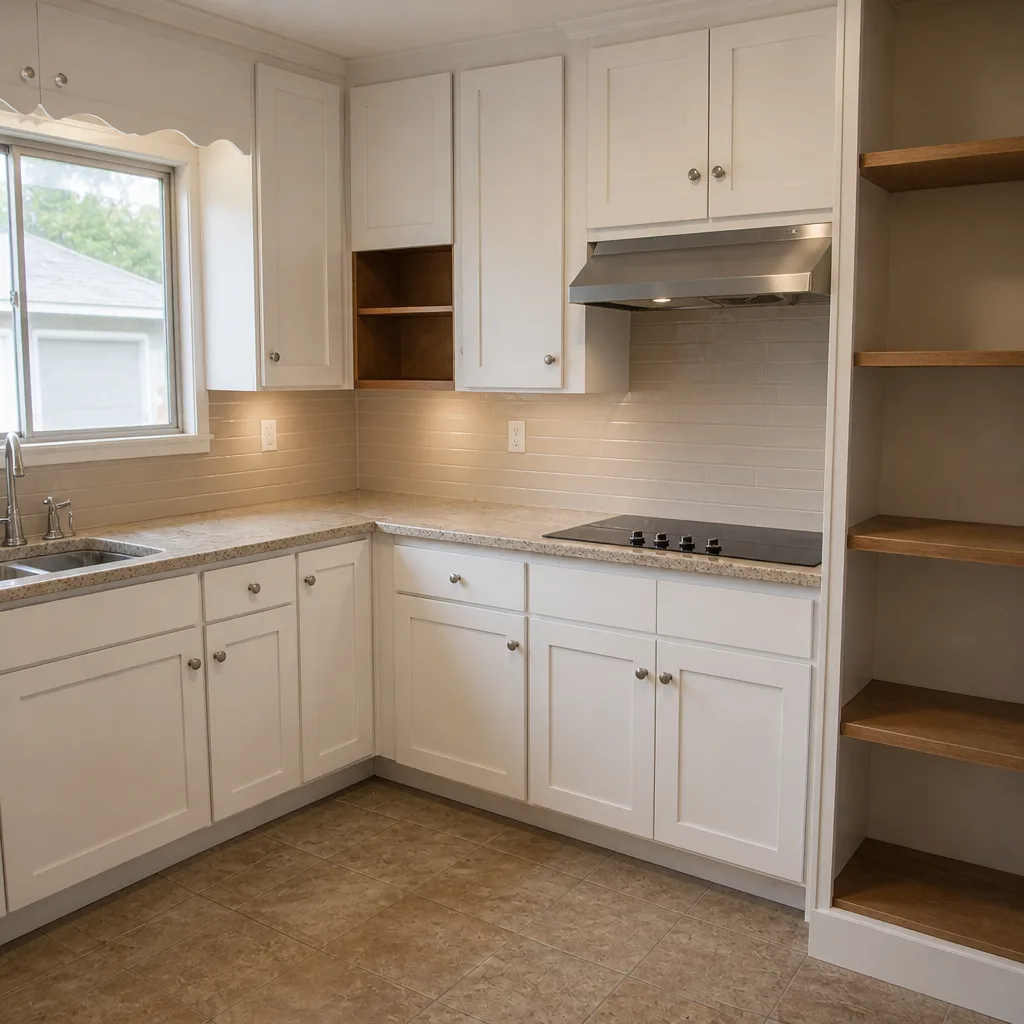
See the difference
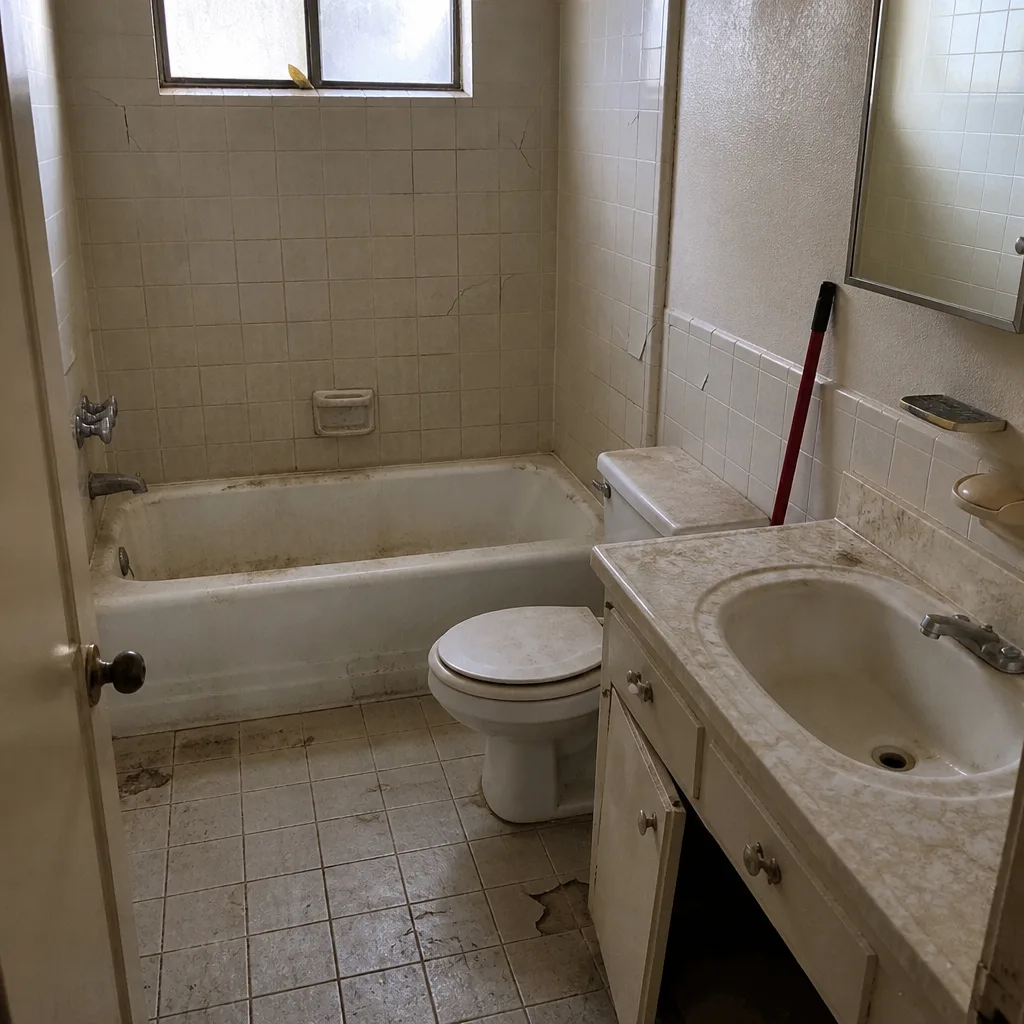 Before
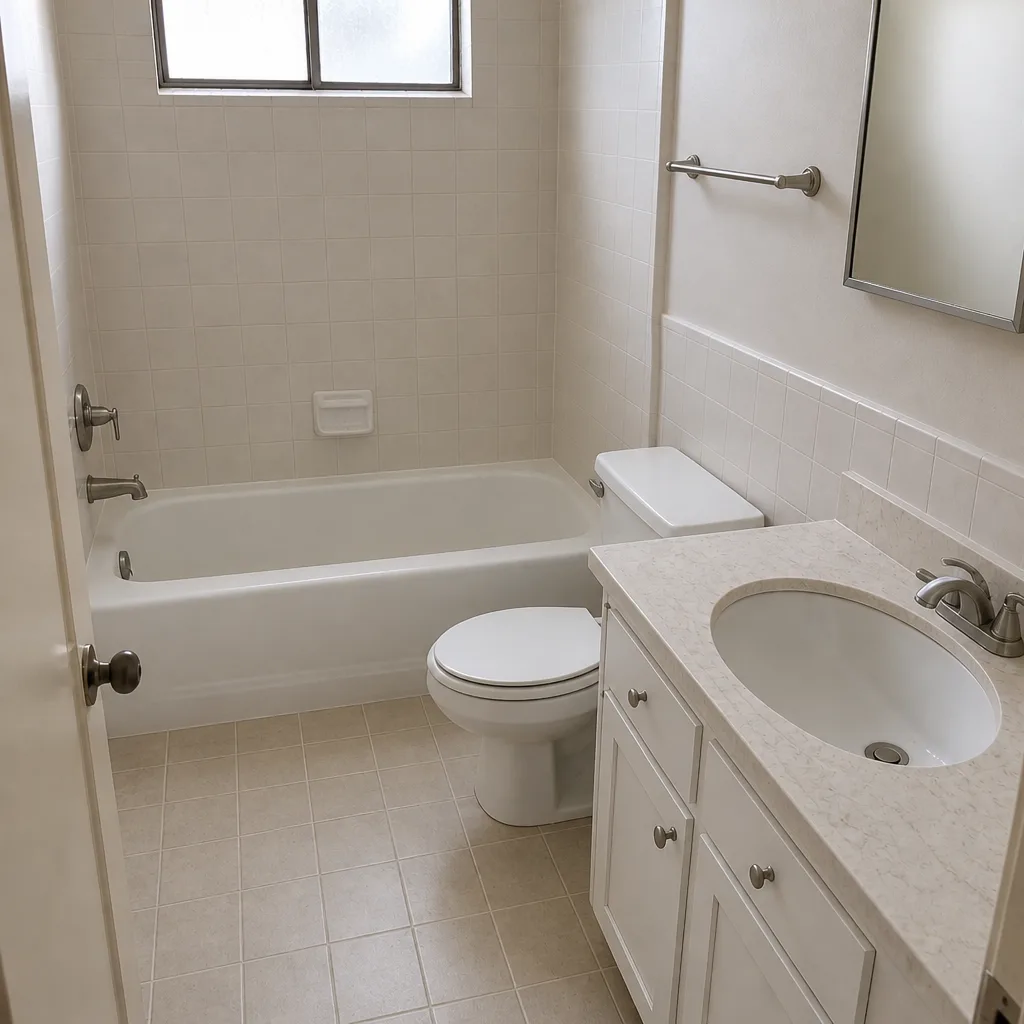 After
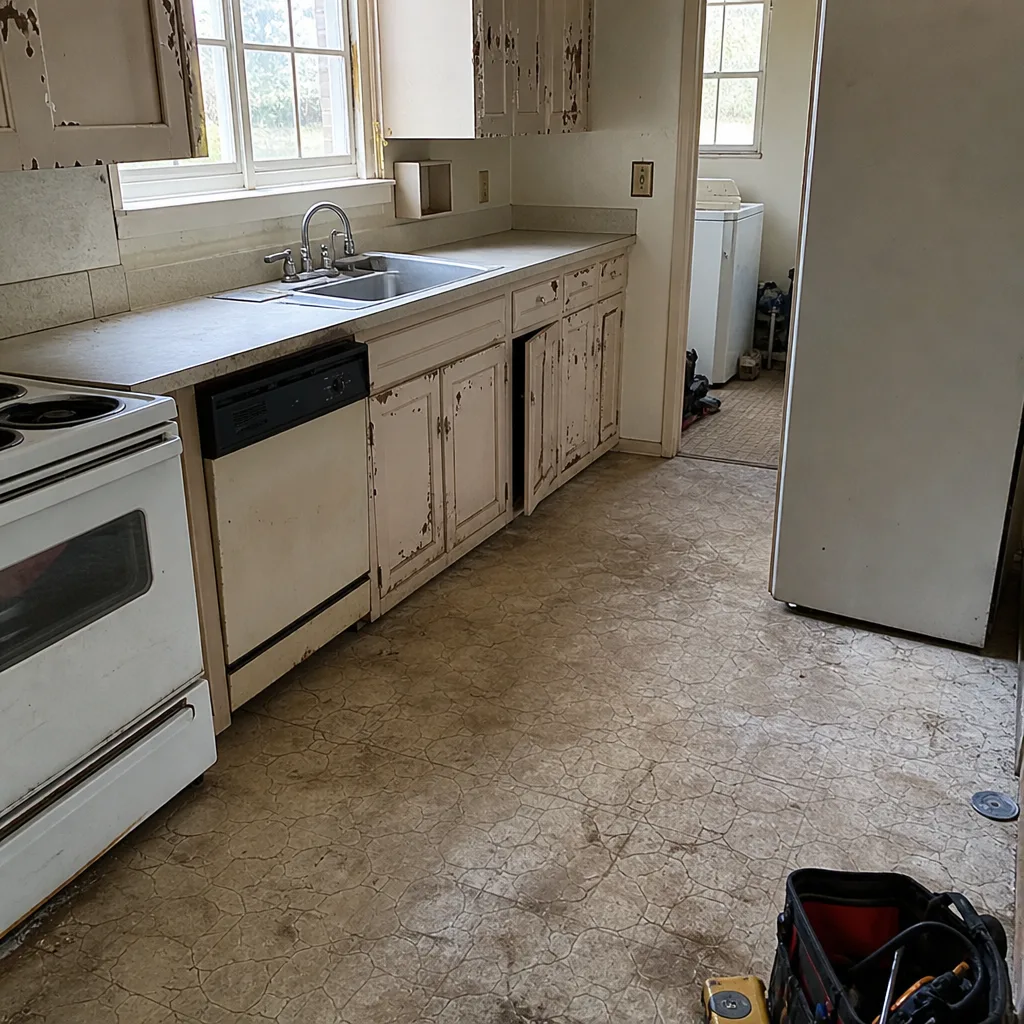 Before
 After
 Before
 After
When to Call a Professional
Some driveway maintenance in Pasadena is genuinely DIY territory: an annual photo record, a joint inspection, sealing a hairline concrete crack. But four situations are worth a professional look before you spend anything on materials. First, pavers that have lifted in a cluster or gone out of parallel; that’s a base or root problem a re-sand won’t fix. Second, a concrete crack wider than a dime with a visible vertical step. Third, any suspicion of root intrusion near a tree that shares its drip line with the driveway. Fourth, a full field that needs re-laying with fresh joint sand to spec, because the joint-sand specification differs by manufacturer.
Construction Pasadena offers free estimates in Pasadena. We’ll walk the field with you, classify the cracks, and give you a written line-item quote with no change orders. Our technicians have up to 12 years of experience. If the driveway turns out to be part of a larger project, we scope all seven service lines under one contractor relationship, so you’re not coordinating between separate trades. Call (844) 905-4587. We answer 24/7. Fast dispatch from 7am to 7pm, Sunday through Friday. We’re closed Saturday.
Frequently Asked Questions
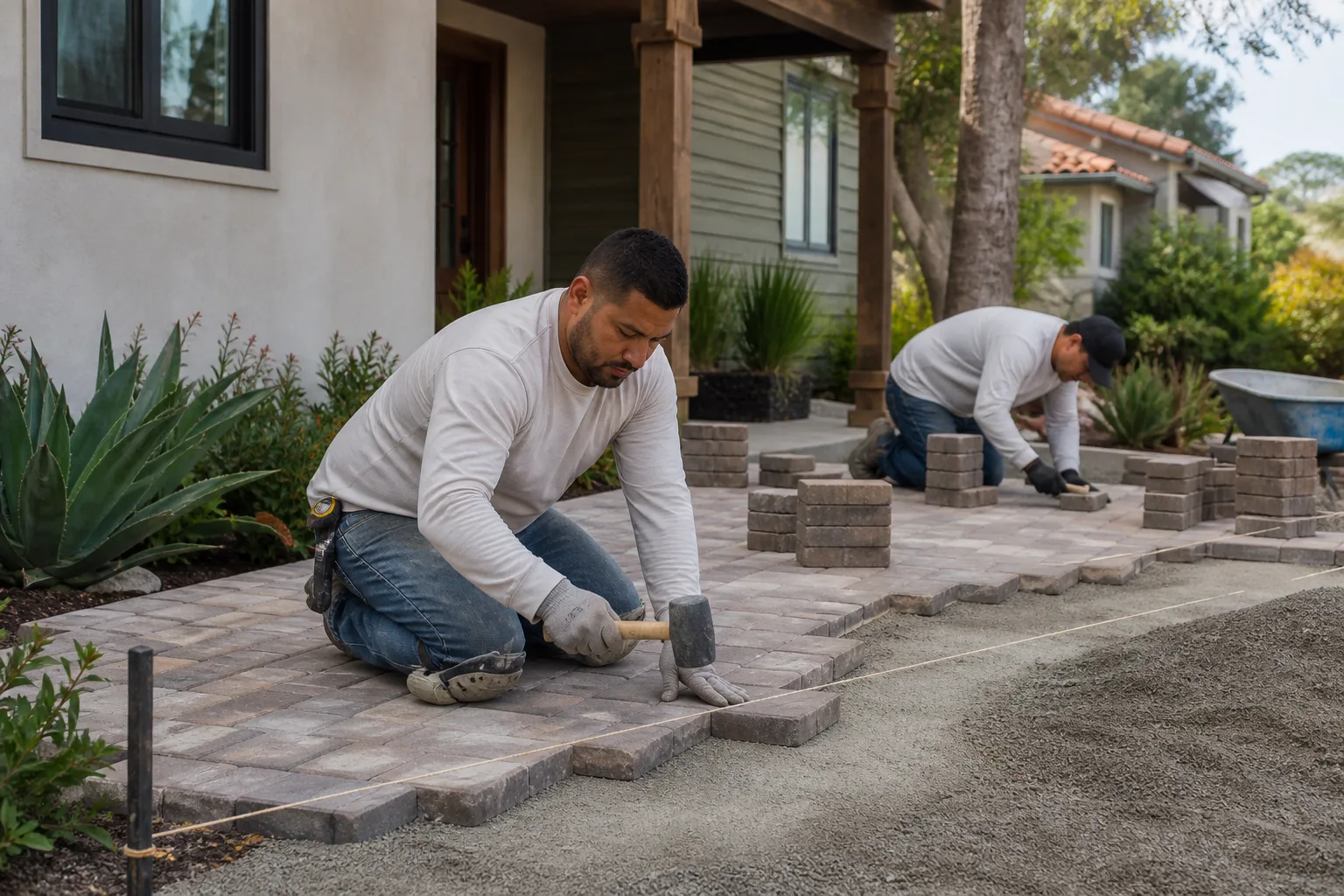
In Pasadena, re-sand the joints roughly once a year, timed to November before the first significant rain, and spot-treat any joint that cracks during the October and March Santa Ana wind cycles. A well-installed field can sometimes go two years between full re-sands, but the annual November check is the schedule that prevents surprise failures. If your joints are already showing cracked or crumbling sand, don’t wait for November. Call (844) 905-4587 for an exact quote, and estimates are free.
Yes. Root pressure from Pasadena’s common street trees, especially jacaranda and liquid amber, is a leading cause of concrete slab cracking and paver displacement that homeowners misattribute to installation quality. The fix is a root barrier installed along the tree side of the driveway, below grade, while the surface is still intact. Call (844) 905-4587 for a free estimate before the surface damage forces a full re-lay.
A concrete crack is likely cosmetic if it’s hairline to a dime’s width with flush sides and no visible step. It becomes a structural concern when it’s wider than a dime, when the two sides of the crack sit at visibly different levels, or when the crack continues to open over successive photos. If it’s structural, get an estimate from a trained eye rather than patching and hoping. Call (844) 905-4587 for a free assessment.
No. Our pricing is set by the written line-item estimate, and it doesn’t change once the work is underway unless you ask us to add scope. The estimate is free, and you see the full scope and material list before you commit. Call (844) 905-4587 to schedule your free estimate.
A partial re-lay typically takes one to a few days depending on field size and base work. A full driveway re-lay with base correction and root barrier takes longer, and the written estimate sets the schedule upfront. Weather timing matters in Pasadena, so we schedule installs to complete before the rain season when possible. Call (844) 905-4587 to talk through the timeline for your specific field.
Sometimes, yes. A localized crack in the joint sand near a single paver is often fixable with a spot re-sand to spec. But if the joint sand is failing over multiple pavers or across a whole field, spot fixes will fail quickly. We can look at your field and tell you which one you’re looking at. Call (844) 905-4587 for a free estimate, and we’ll tell you whether it’s a spot job or a full re-sand.
The Bottom Line
Driveway maintenance in Pasadena is a seasonal rhythm, not an annual chore. The Santa Ana wind cycle dries out joint sand in October and March. The rainy window in November and December adds water to every gap that’s already failing. Tree roots travel under the base year-round and push up pavers and concrete that a well-timed root barrier could have saved. The checklist in this guide is built around those three forces: pre-rain re-sand in November, post-Santa Ana inspection in October and March, root barrier assessment every year, and a dated photo record to prove what’s changed. Catch problems at the joint-sand stage and a repair costs a fraction of a replacement. Miss it, and the base does the talking.
If you’re ready for a set of eyes on your driveway, or if you’re running this maintenance as part of a bigger project that includes fence, ADU, or a full property remodel, we scope all of it under one contractor relationship. Call (844) 905-4587 for a free estimate. We answer 24/7. Fast dispatch from 7am to 7pm, Sunday through Friday. We’re closed Saturday. Estimates are free, and every quote is written line-item so you can see exactly what’s being done.
Written by the team at Construction Pasadena.